Why Shoppers Distrust AI-Driven Retail Pricing
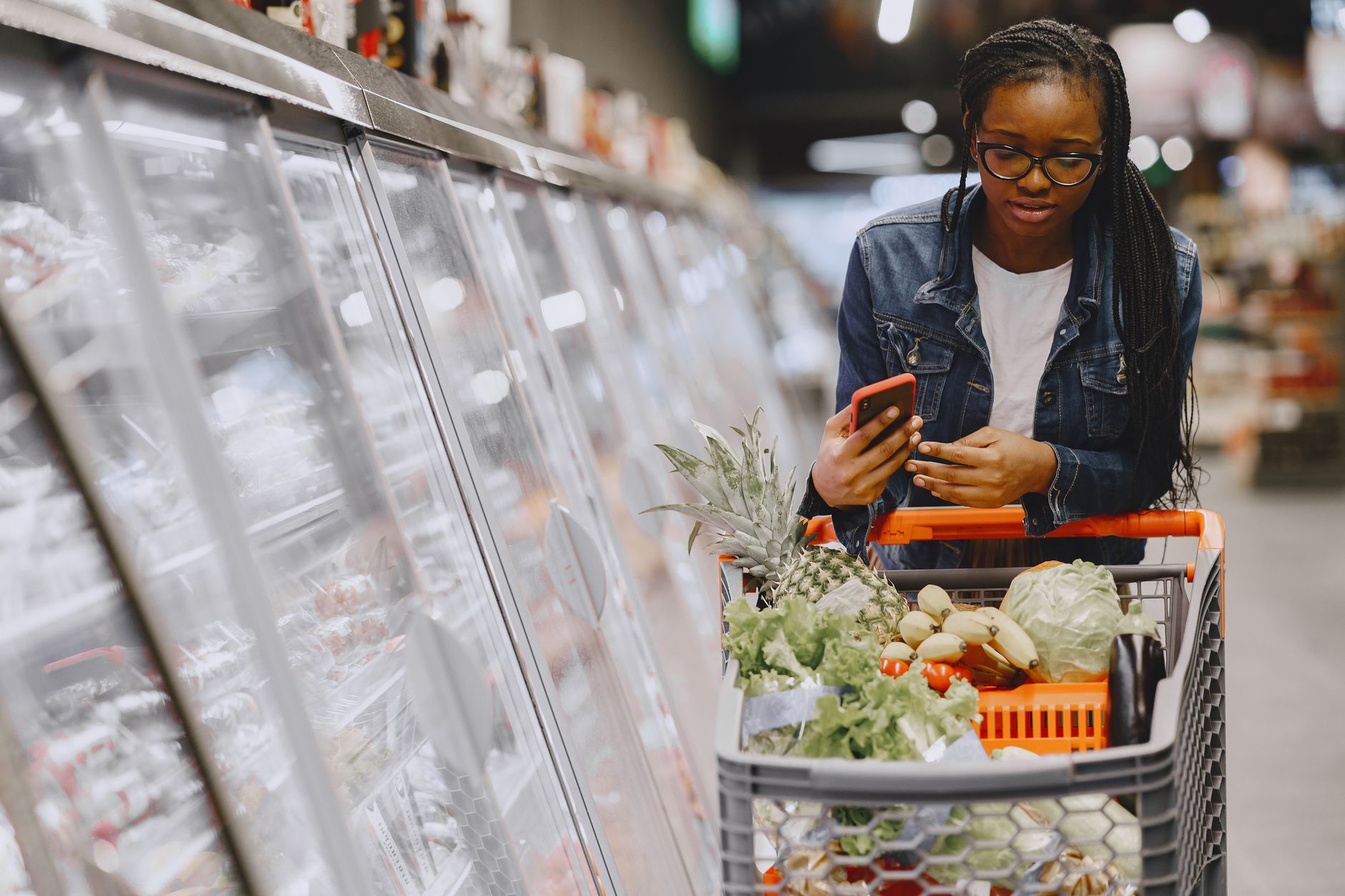
- AI-assisted shoppers convert at higher rates and spend up to one-third more.
- Consumer comfort with AI completing transactions fell from 70% in late 2025 to 45% by early 2026.
- 93% of shoppers verify AI recommendations using outside sources like reviews and price checks.
- Seattle is investigating 'AI-assisted price gouging' at grocery stores.
How do AI shopping conversion rates impact retail revenue?
AI-assisted shoppers convert at higher rates and make larger, higher-value purchases. A study by Bayes Business School of 12,000 supermarket trips in Germany found that people using AI-assisted smart carts spent up to one-third more than those who did not.
According to Adobe’s 2025 holiday season data, AI-referred traffic converted 31% more frequently than other sources. Reporting from July 2026 showed that visits directed by AI generated 53% more revenue per visit and converted at a 60% higher rate than visits not directed by AI.
Bloomberg reported on September 28, 2026, that Adobe expects AI-assisted shopping to increase by 130% during the upcoming holiday season. Despite these trends, consumer hesitation is growing as AI transitions from simply suggesting products to selecting and purchasing them on behalf of the shopper.
What are the risks of AI-driven purchasing for shoppers?
While you may feel comfortable using AI for product research, you are likely to resist letting an agent complete a purchase on your behalf. Adobe reports that 95% of consumers find AI responses at least as trustworthy as traditional search engine results, a figure that reaches 97% among regular users. Despite this, Riskified found that consumer comfort with AI completing transactions fell from roughly 70% in late 2025 to 45% by early 2026.
Checkout.com reported that 24% of surveyed consumers indicated they will never delegate purchases to AI. According to Checkout.com, 24% of consumers state they will never allow AI to make purchases for them. This caution is supported by Alchemer’s 2026 report, which found that while nearly half of shoppers have used AI to research a purchase, they trusted those recommendations less than they trusted online reviews or word of mouth.
How does AI influence your brand choices?
AI chatbots are actively changing the products you choose to buy. Attentive’s 2026 State of AI in Retail report found that 68% of more than 3,000 U.S. consumers used a general AI chatbot for at least one shopping task over a three-month period.
62% of AI-assisted shoppers have purchased a different product or brand instead of their usual choice because of an AI chatbot. 71% of consumers report that AI meaningfully affected which brands or products they seriously considered or selected at least half the time they used the tool.
Why do most shoppers verify AI suggestions?
Most shoppers do not rely on AI alone, with 93% of AI-assisted shoppers seeking external information or proof before finalizing a purchase. Jema Birkmeyer of Attentive notes that while AI influences your choices, it is not the only factor shaping your final decision.
When you seek this outside verification, you typically turn to customer reviews at a rate of 37%, pricing comparisons across retailers at 36%, and detailed product information at 33%.
Are retailers using AI for price gouging?
Axios reported that Seattle is targeting "AI-assisted price gouging" at grocery stores as of September 28, 2026. Axios reported that Seattle officials are targeting AI-assisted price manipulation at grocery stores as of September 28, 2026.
Three-quarters of consumers surveyed said brand-sponsored recommendations would reduce their trust in both the AI agent and the paying brand.
Will consumers ever let AI complete their purchases?
Braze found that only 10% of consumers surveyed are willing to let agents operate fully independently. Braze found that only 10% of consumers are willing to let AI agents operate with full independence.
When it comes to finishing a transaction, Attentive reported on September 28, 2026, that 60% of AI-assisted shoppers prefer to complete purchases on the retailer’s own website or app. Only 17% prefer to finish the transaction directly within an AI chatbot, while 19% find either option acceptable.
The Future of Retail Technology and the Shopping Experience
The future of retail depends not on whether you use AI, but on how much authority you grant these systems to act on your behalf. RSM US notes that retailers who prioritize transparency, customer control, and accountability will lead the shift toward agentic commerce.
69% of AI-assisted shoppers took an action to stay connected with the brand or retailer during or after their AI-assisted shopping experience.
- Consumer apprehension grows as US retailers adopt AI-assisted pricing tools — Google News, Oct 18, 2026
- List of Saturday Night Live commercial parodies (Wikipedia — background) — Wikipedia
- From AI-assisted discovery to purchase: Closing the consumer trust gap — rsmus.com
- AI Is Influencing What Shoppers Buy, But Brands Still Shape Their Customer Journey, New Attentive Research Finds | Press Releases — attentive.com
Add NewsPulse Time as a preferred source on Google
Frequently asked questions
While 95% of consumers find AI responses as trustworthy as search engines, trust drops significantly when AI moves from suggesting products to completing transactions. Nearly half of shoppers have used AI for research, yet they often trust it less than word of mouth, and 24% of consumers state they will never delegate purchases to an AI agent.
Related reading

FreeCast Named Best Streaming Technology Platform of 2026

Gelion Sulfur Battery Technology: Advancing High-Power EV Performance

The Evolution of Battery Technology and American Energy Innovation