How Brain Imaging Reveals the Neural Pathways of Adolescent Anxiety

- Researchers identified brain circuits associated with anxiety in adolescents.
- The findings appear in the journal Imaging Neuroscience.
- The study is a preprint and has not yet undergone peer review.
- These circuits may eventually serve as targets for precision medical interventions.
What Are the Primary Causes of Adolescent Anxiety?
Researchers have identified specific brain circuits associated with anxiety in adolescents, according to an October 12, 2026 report. This work, published in the journal Imaging Neuroscience, suggests that these circuits are linked to the development of anxiety during the teenage years. By pinpointing these neural pathways, scientists hope to move toward more targeted treatments for young people. It is a shift from general approaches to potentially more precise, biology-based interventions.
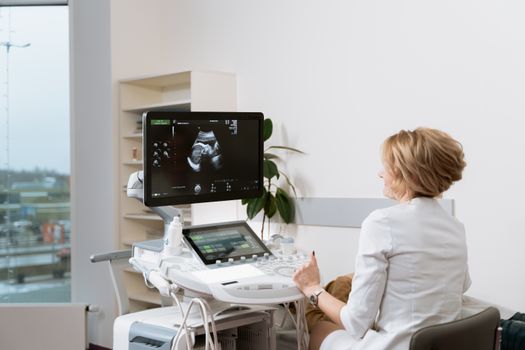
How Brain Imaging Identifies Neural Pathways in Anxious Teens
The study used imaging techniques to observe brain activity in adolescents. Because this research is currently a preprint, it has not yet completed the formal peer-review process required for publication in many scientific journals. It is important to remember that correlation does not equal causation. Finding a link between brain circuits and anxiety does not mean these circuits are the sole cause of the condition. You should view these findings as an early step rather than a confirmed medical discovery.
Can Brain Imaging Improve Anxiety Treatment for Teens?
If you are looking for immediate changes in how anxiety is treated, this study does not provide them yet. It offers a map of where researchers might look for future interventions. Understanding the biology of the brain during adolescence is a long-term project. For now, it remains a scientific finding rather than a diagnostic tool you would encounter at a doctor's office.
The Future of Technology in Adolescent Mental Health
The next phase for these researchers involves further validation of their findings through peer review. They will need to replicate the results with larger groups to determine if these brain circuits are consistent across different populations. Scientists will also explore whether these circuits can actually be modified through therapy or other treatments. You can expect to see more updates as the data undergoes professional scrutiny.
- Researchers identify specific brain circuits associated with anxiety in adolescents — press, Oct 12, 2026
- Researchers identify specific brain circuits associated with anxiety in adolescents — MedicalXpress, Oct 12, 2026
Add NewsPulse Time as a preferred source on Google
Frequently asked questions
Research identifies the amygdala, prefrontal cortex, and anterior cingulate cortex as key regions in adolescent anxiety, often showing altered connectivity patterns that affect emotional regulation.
Brain imaging allows clinicians to identify specific neural markers, enabling more personalized, biology-based interventions that target the root cause rather than relying solely on behavioral symptoms.
Yes, the adolescent brain undergoes significant structural and functional remodeling, which can create temporary vulnerabilities in emotional regulation circuits, increasing the risk of anxiety.