Digital Likeness Rights: Protecting Actor Performance in the AI Era
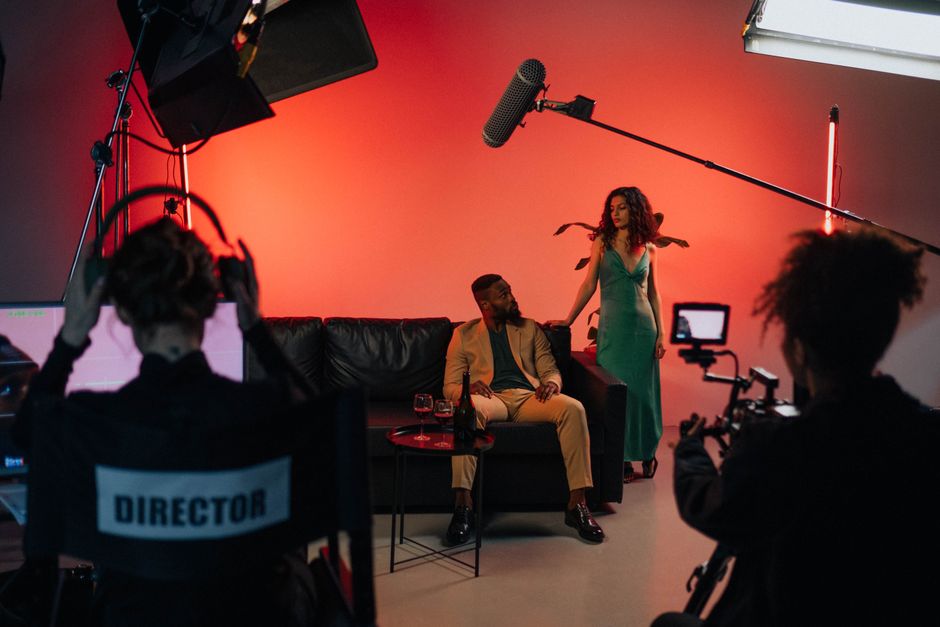
- Performers are shifting from pure acting to managing complex digital likeness rights.
- Streaming platform algorithms prioritize established talent to maintain subscriber retention.
- The human element remains the primary differentiator in a sea of automated content.
- Understanding actor-tech contracts explains why some shows disappear from platforms.
What are AI performance clauses in acting contracts?
Liev Schreiber represents the intersection of classic acting and the modern digital content machine. For you, his career trajectory highlights how your favorite actors are now managing their digital likeness and performance rights in an era of automated content creation. As of September 2026, the way performers like Schreiber interact with streaming platforms dictates what you watch and how it arrives on your screen. Understanding his approach helps you see how Hollywood is changing its relationship with technology. It is no longer just about the script; it is about the rights to a human performance in a digital-first economy.
How does digital likeness protection impact streaming?
Modern actors are essentially tech brands. When a performer like Schreiber signs onto a project, the deal now covers more than just the time spent on set. It involves clauses regarding how his image is stored, compressed, and potentially used in promotional AI-driven marketing campaigns. This matters to you because it defines the quality and consistency of the media you consume. If an actor refuses to license their digital twin, you might see fewer legacy remakes or sequels. It is a control mechanism that keeps the human performance rare and valuable. You are seeing a pushback against the commodification of human expression in favor of authentic, actor-led storytelling.
Why are Hollywood AI regulations changing the industry?
You pay for platforms that aggregate talent. When high-profile actors command larger backend residuals from streaming services, those costs eventually land on your monthly invoice. According to industry tracking, the cost of content production has risen by nearly 15% over the past few years as digital rights negotiations become more complex. But there is a downside to this trend for the average viewer. Smaller, independent projects often get squeezed out of the budget to pay for the top-tier talent that keeps subscribers locked into a specific service. You might notice your favorite platform raising prices while focusing on a smaller roster of high-budget shows.
What do streaming platform contracts mean for performers?
The reliance on established names like Schreiber is a form of risk mitigation for tech companies. Algorithms suggest that viewers are more likely to finish a series if it features a recognizable, highly skilled actor. This creates a feedback loop. You get more of what you already like, but you get less exposure to new, experimental formats that do not feature big-name stars. It is a safe bet for the platform, but it can lead to a stale content library over time. If you feel like your recommendations are becoming predictable, this is exactly why.
The future of digital performance rights
As we look toward the next few years, the technology behind high-fidelity digital projection will only improve. Actors are currently negotiating contracts that set precedents for how their work is preserved for future digital remastering. If you enjoy watching classic performances in higher resolutions, you are benefiting from these specific legal agreements. But check the fine print on your favorite streaming app settings. Often, the ability to view content at its highest bitrate depends on whether the production company has secured the correct digital distribution rights for that specific region.
Frequently asked questions
Digital likeness rights refer to the legal control an actor has over the use of their physical appearance, voice, and performance style when replicated or manipulated by artificial intelligence or digital scanning technologies.
AI performance clauses are contractual provisions that require studios to obtain explicit consent, provide compensation, and maintain transparency before using an actor's digital replica in film, television, or promotional content.
Liev Schreiber has been a prominent advocate for performers' rights, actively pushing for standardized contract language that prevents studios from using AI to replace or replicate actors without clear, negotiated agreements.