Secure Voting Methods
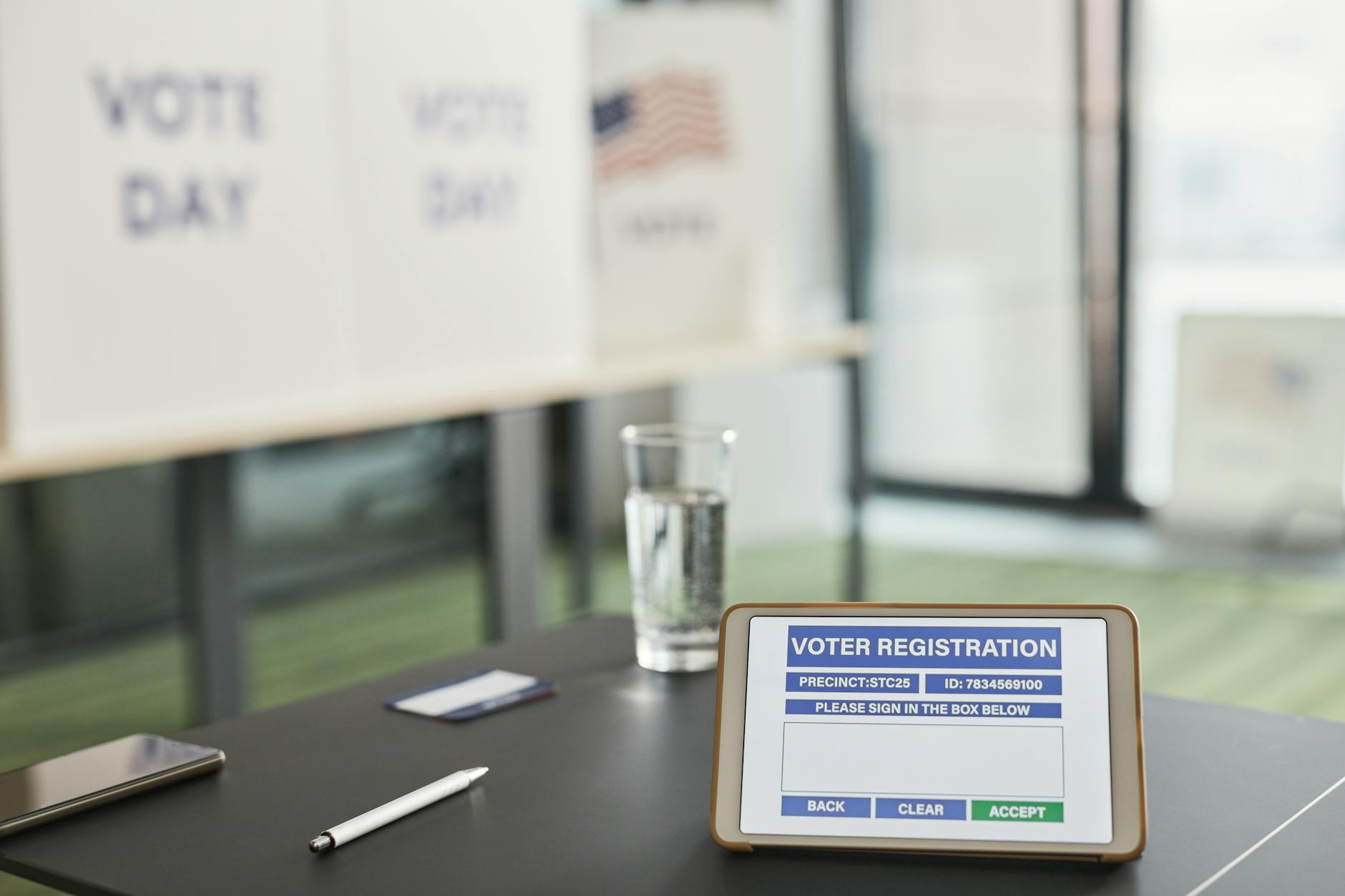
- In-person polling is the most secure option.
- Mail ballots are reliable but slower.
- Online voting offers speed but needs internet access.
- Mobile apps are convenient but limited to smartphone owners.
- Kiosk voting blends digital ease with physical backup.
What are the most secure voting methods?
Technology shouldn’t be a barrier to voting. If you’re looking for the best ways to keep voting open, secure, and easy, you’ll find that the most reliable options are still in-person polling places, mail‑in ballots, online voting, mobile apps, and kiosk systems. Each has a place depending on who you are, what you need, and where you live. In this guide we rank them by how simple they are to use, how safe they are, and how well they reach people who might otherwise miss the ballot. The goal is to give you a clear picture of what each method offers and where it might fall short.
Do electronic voting systems improve accessibility?
When we set out to rank the voting methods, we looked at five factors that matter most to voters and election officials alike. First, ease of use. A method that people can follow without help scores higher. Second, security. The ability to protect against fraud or tampering is critical. Third, accessibility. Does the method reach people with disabilities, limited internet, or no transportation? Fourth, reliability. A system that has a track record of delivering results quickly is worth more. Finally, cost. Even if a method is excellent, high cost can limit its reach. We balanced these factors to create a fair comparison.
Why are voting accessibility tools crucial?
In-person voting remains the most familiar method. It requires no technology, so voters can rely on the staff at the polling place for help. The results are counted the same day, giving instant feedback. The downside is that voters must travel to a designated location and may face long lines, especially on election day.
How do digital ballot systems compare?
Mail ballots let voters skip the polling place entirely. They can be mailed from home, and the vote is recorded once the envelope is processed. The process is secure because the ballot is sealed and tracked. However, the ballot can take days or weeks to arrive, and some states require a signature or proof of identity upon receipt.
Is online voting secure?
Online voting delivers results instantly and removes the need for physical travel. Voters can cast their ballot from any internet‑connected device. Security relies on encryption and authentication, but the system must guard against hacking. The main issue is that the method depends on reliable internet access, which is not universal.
Are mobile voting apps reliable?
A mobile app lets voters use their smartphone to verify identity and submit a ballot. The process is fast and can be done on the go. The app must protect personal data and verify that the vote comes from a legitimate voter. The drawback is that only people who own a compatible phone can use the app, and some users worry about privacy.
- Technology shouldn't be barrier to voting — Google News, Oct 11, 2026
Add NewsPulse Time as a preferred source on Google
Frequently asked questions
Accessible voting technology refers to methods and tools designed to ensure every citizen can cast a ballot, regardless of their abilities or disabilities.
Electronic voting systems can improve accessibility by providing alternative formats, such as audio or tactile ballots, and allowing voters to cast their ballots remotely.
Digital ballot systems can increase voter turnout, reduce errors, and provide faster results, while also improving the overall voting experience for citizens.
Online voting can be secure if implemented with robust security measures, such as encryption, secure servers, and audit trails, to protect the integrity of the voting process.
Mobile voting apps can pose risks, such as cybersecurity threats, user error, and lack of transparency, which must be carefully mitigated to ensure the integrity of the voting process.
Related reading

FreeCast Named Best Streaming Technology Platform of 2026

Gelion Sulfur Battery Technology: Advancing High-Power EV Performance

The Evolution of Battery Technology and American Energy Innovation