4D bio‑kirigami: Can it transform tissue engineering?
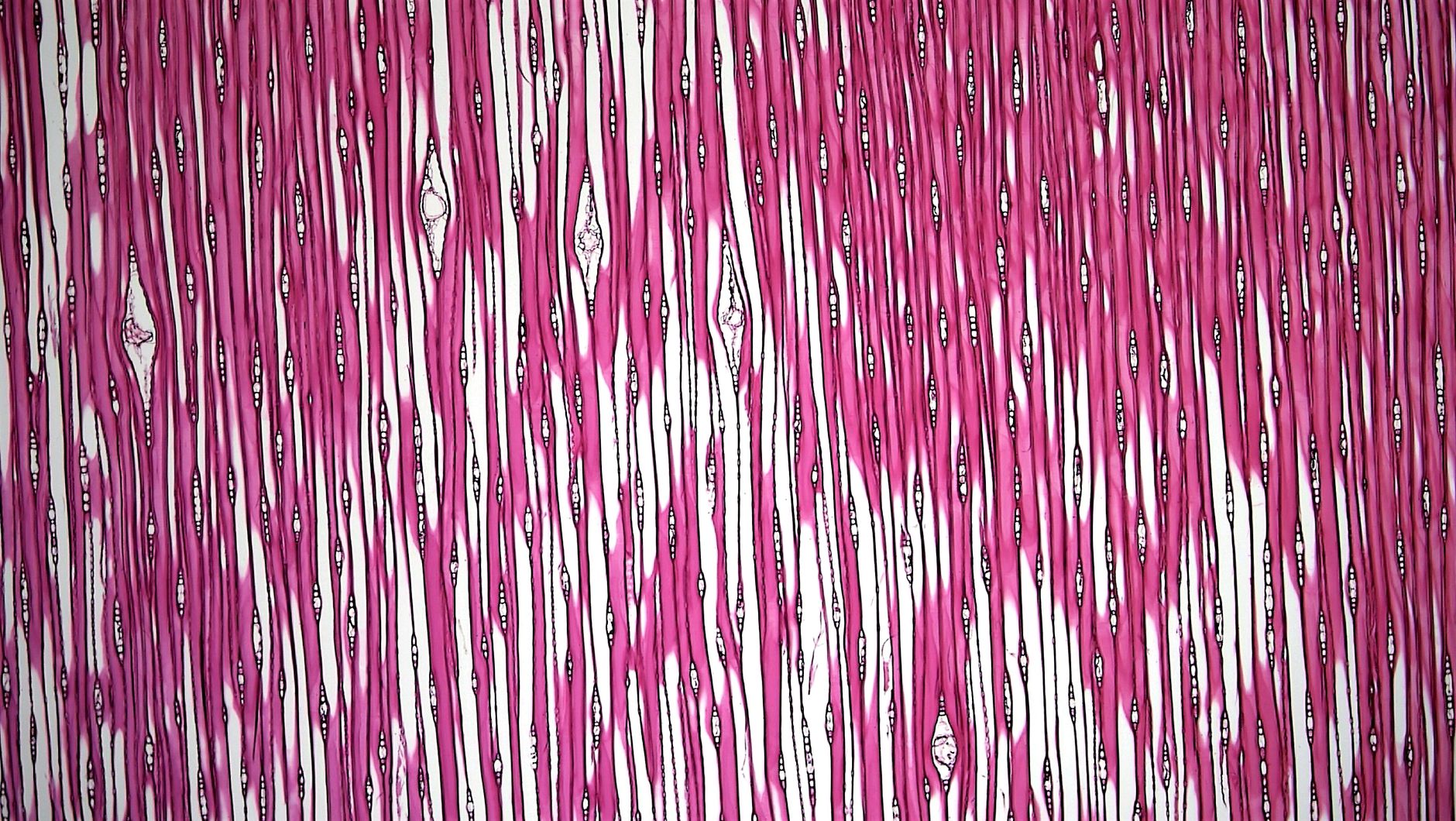
- Kirigami‑based hydrogels can self‑fold into complex tissue shapes over time (F7,F16).
- The method separates structural rigidity from cell‑friendly chemistry using gelatin‑alginate blends (F19,F20).
- Team led by UIC’s Eben Alsberg and postdoc Kaelyn Gasvoda published in Cell Biomaterials (F2‑F5,F14,F18).
- Targets include cartilage, bone, tracheal and vascular tissues that need precise curvature (F9‑F11).
- Current hurdles: material expansion control, long‑term cell viability, and limited kirigami studies in soft bio‑materials (F6,F8,F17).
Is the new 4D bio‑kirigami technology truly worth the hype?
Yes, the new 4D bio‑kirigami technology is worth the hype because it enables flat, cell‑laden gels to reshape themselves into the curved geometries of real tissues without any extra handling by researchers. The approach treats time as a fourth dimension, programming the construct to bend, fold and curl as it matures. This matters for tissue engineering since many human tissues—such as cartilage around joints, branching blood vessels, spiraled tracheal rings and arcing bone—are inherently three‑dimensional and have been difficult to reproduce with conventional flat‑layer biofabrication. The story about this advance was highlighted in a recent news article that framed it as a promising new biofabrication tool for tissue repair and wound healing.
How does the 4D bio‑kirigami strategy actually work?
The 4D bio‑kirigami method starts with a flat hydrogel that contains living cells and is built from gelatin and alginate derivatives. Gelatin supplies the biochemical cues that keep cells healthy, while alginate provides a tunable structural backbone, allowing the researchers to control mechanical behavior separately from biological support. The construct is designed with a rigid outer framework that resists swelling in culture medium, while the interior regions are engineered to absorb fluid, expand, and remain cytocompatible for long‑term cell survival, growth and differentiation. As the interior swells at different rates, the flat sheet programmatically bends, folds and curls into the target three‑dimensional shape, delivering the desired tissue geometry without manual intervention.
Who developed this technology and where?
The work came out of the University of Illinois Chicago’s College of Engineering, where researchers applied kirigami concepts to biofabrication. Their study, titled “A 4D Bio‑Kirigami Strategy for Engineering Complex Tissue Curvatures,” appeared in the journal Cell Biomaterials. The author list includes Kaelyn L. Gasvoda, Aixiang Ding, Zhangli Peng, Alexandria Sterenberg, Oju Jeon and Eben Alsberg. The project was led by members of professor Eben Alsberg’s laboratory in UIC’s College of Engineering and was reported in Cell Biomaterials. Gasvoda highlighted that adapting kirigami to soft, gel‑like materials that can host living cells had been largely unexplored before this work.
What types of tissues could benefit from this approach?
Complex geometries matter because human tissues have intricate three‑dimensional shapes that are closely linked to their functions. The researchers target tissues such as cartilage, bone, tracheal and vascular structures, seeking to recreate their native architectures and functions. Conventional tissue‑engineering methods have struggled to reproduce structures with complex curvatures and other intricate features.
What are the current limitations and trade‑offs?
Gasvoda notes that kirigami’s potential has not been readily explored in tissue engineering or with soft, gel‑like materials that can hold living cells, indicating a gap in material suitability and cytocompatibility. She also points out that the aim is to achieve more complex shapes with controlled self‑patterning and bending, which requires precise material rigidity and programmable deformation that current hydrogel systems still struggle to provide. Meanwhile, kirigami has already inspired deployable structures for spacecraft, flexible semiconductors, wearable technology and optical devices, showing that its use outside biology is mature while its bio‑applications remain largely untapped.
Where can I learn more or see this tech in action?
The hybrid Tissue Engineering Conference scheduled for 2026 can be attended in person in London, UK or virtually from anywhere, offering a venue to see 4D bio‑kirigami demonstrations and hear the latest research. The conference description highlights that bioprinting and biofabrication are reshaping how complex tissues and organ structures are built through layer‑by‑layer deposition of living cells, biocompatible matrices and growth factors, directly relevant to kirigami‑based construct design. 3D bioprinting technologies enable spatial placement of multiple cell types, allowing intricate vascular networks and heterogeneous structures to emerge, which complements the self‑folding capabilities of kirigami sheets. Biofabrication strategies extend beyond printing to include self‑assembly and mold‑based techniques, broadening applications in regenerative medicine and disease modeling and suggesting pathways to integrate kirigami cuts with other fabrication modes. Recent developments in printable bioinks, bioreactor design and imaging‑guided fabrication are making patient‑specific grafts increasingly realistic, providing the material toolbox needed for reliable kirigami actuation. Bioprinting and biofabrication are also facilitating high‑throughput drug testing by offering physiologically relevant tissue models, showing an immediate use case for kirigami‑shaped constructs in pharmaceutical pipelines. Integration of computational design and real‑time monitoring systems further enhances construct fidelity, paving the way for transformative clinical interventions and giving researchers practical methods to program and track kirigami transformations. To explore the technology yourself, register for the 2026 Tissue Engineering Conference and look for sessions on self‑folding hydrogels and kirigami‑inspired biofabrication, where you can view live demos and connect with the developers.
- New 4D biofabrication technology holds promise for tissue engineering, wound healing — Google News, Oct 19, 2026
- Tissue engineering (Wikipedia — background) — Wikipedia
- New 4D biofabrication technology holds promise for tissue engineering, wound healing — today.uic.edu
- Kirigami-Inspired 4D Hydrogels Reshape Themselves Into Complex Human Tissue — bioengineer.org, Oct 19, 2026
- Tissue Engineering Conferences 2026 | Regenerative Medicine Conferences — magnusconferences.com
Add NewsPulse Time as a preferred source on Google
Frequently asked questions
The research shows it can create complex, curved constructs that mimic native tissue geometry, but it remains at the laboratory stage; long‑term functionality and clinical translation have not yet been demonstrated (F7,F11,F12).
Related reading

FreeCast Named Best Streaming Technology Platform of 2026
Gelion Sulfur Battery Technology: Advancing High-Power EV Performance

The Evolution of Battery Technology and American Energy Innovation