What Is the 10-Year Treasury Yield? A Guide for Investors
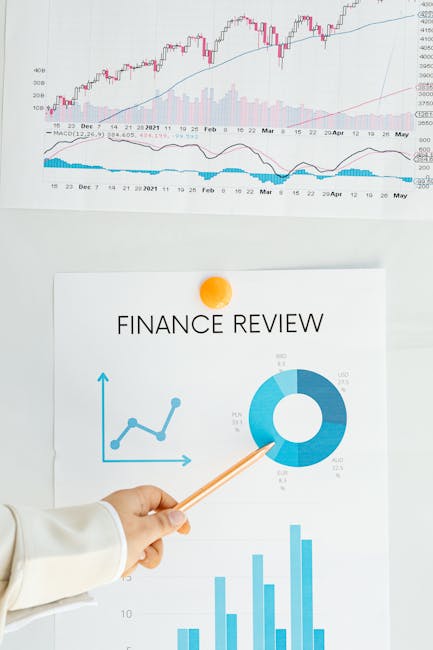
- It represents the interest rate on 10-year U.S. government debt.
- Bond prices and yields move in opposite directions.
- It acts as a primary benchmark for mortgage and business loan rates.
- High yields increase borrowing costs for consumers and corporations.
What Is the 10-Year Treasury Yield?
The 10-year Treasury yield is the annual return an investor earns for holding a 10-year U.S. government bond. Think of it as the interest rate the government pays when it borrows money from you for a decade. It is widely considered the most important interest rate in the global economy because it sets the baseline for many other types of borrowing. When this yield moves, it signals shifting expectations about inflation and economic growth. You can track the current yield on financial news sites like Bloomberg or the Wall Street Journal to see how the market prices risk.
How Is the 10-Year Treasury Yield Calculated?
Treasury bonds are sold at auctions, but they can also be bought and sold by investors afterward. When demand for bonds is high, the price of the bond rises, which pushes the yield down. Conversely, when investors sell bonds, the price drops and the yield rises to attract new buyers. This inverse relationship is the heartbeat of the bond market. If you hold a bond until it matures, you receive the full face value plus interest. But if you sell it early, your total profit depends on the market price at that moment.
Why Does the 10-Year Treasury Yield Matter?
Most lenders use the 10-year Treasury yield as a reference point for setting fixed-rate mortgages. If the Treasury yield rises, banks usually increase the rates they charge for home loans. This happens because lenders need to maintain a profit margin compared to the risk-free rate offered by the government. So, if you are planning to buy a house, the yield directly impacts your monthly mortgage payment. A difference of even one percent can change your total interest costs by tens of thousands of dollars over the life of a loan.
Why Do Bond Prices and Yields Move in Opposite Directions?
Rising yields often signal that investors expect a stronger economy or higher inflation in the future. When inflation is high, the fixed payments from a bond lose purchasing power, so investors demand higher yields to compensate for that loss. But there is a downside to this trend. Higher yields make it more expensive for companies to borrow money for expansion or research. This can lead to slower corporate growth and lower stock prices for businesses that rely on cheap credit.
How Treasury Yields Work in the Global Economy
The market determines the yield, not a single person or government agency. While the Federal Reserve influences short-term interest rates through its policy meetings, the 10-year yield is set by thousands of investors trading bonds every day. These investors include pension funds, foreign governments, and individual traders. They constantly adjust their bids based on economic data, geopolitical events, and their outlook on the future. The yield reflects their collective consensus on where the economy is headed.
Where Can I Track Current 10-Year Treasury Yields?
You can find the real-time yield by visiting the U.S. Department of the Treasury website or major financial platforms like CNBC or Yahoo Finance. These sites provide live updates during market hours. Do not rely on static articles for this number, as it fluctuates throughout the trading day. Checking a live dashboard gives you the most accurate picture of how the market is behaving right now.
Frequently asked questions
Yes, 10-year Treasury bonds are backed by the full faith and credit of the U.S. government, making them the benchmark for 'risk-free' assets in global finance.
Mortgage lenders often use the 10-year Treasury yield as a baseline for pricing 30-year fixed-rate mortgages. When Treasury yields rise, mortgage rates typically follow.
The Federal Reserve influences yields through monetary policy, specifically by adjusting the federal funds rate and engaging in open market operations like quantitative easing or tightening.