New Ultrasound Metric Refines Labor Induction Success Predictions
- Uterocervical Angle (UCA) significantly boosts Bishop Score accuracy
- Study published September 15, 2026, on Cureus platform
- New diagnostic approach aims to lower unnecessary C-section rates
- Bishop Score has served as the gold standard since 1964
- Data suggests combined metrics improve clinical decision-making
A breakthrough in obstetric diagnostics is offering clinicians a sharper tool for managing term pregnancies. As of Tuesday, September 15, 2026, researchers have confirmed that integrating the Uterocervical Angle (UCA) with the traditional Bishop Score significantly improves the prediction of successful labor induction. This dual-method approach provides a more precise roadmap for obstetricians deciding whether to proceed with induction or wait for spontaneous labor.
For the millions of families across India navigating the final weeks of pregnancy, this development hits home. Induction of labor remains a frequent procedure, often necessitated by gestational diabetes, hypertension, or simply reaching the 40-week mark. Experts said that by reducing the uncertainty surrounding cervical readiness, hospitals could potentially see a marked decrease in failed inductions that lead to emergency C-sections. The findings, detailed in a prospective observational study published on Cureus, represent a shift toward more data-driven, personalized maternity care.
- The Bishop Score has been the clinical standard since 1964.
- UCA measures the angle between the cervical canal and the lower uterine segment.
- Combining both metrics increases predictive sensitivity by approximately 22% according to recent data.
The core issue for many maternity wards is the 'grey zone' of induction. When a woman is admitted for induction, the Bishop Score—which evaluates cervical dilation, effacement, station, consistency, and position—often provides a baseline. However, the score is notoriously subjective, relying heavily on a digital exam. By adding the objective, ultrasound-based UCA, doctors are now looking at the anatomical orientation of the cervix, which changes as the body prepares for birth. This is not just a scientific nuance; it is a vital step toward safer, more predictable delivery experiences for mothers across the country.
Why the Bishop Score Needed a Modern Partner
For over six decades, the Bishop Score has stood as the primary gatekeeper for labor induction. Developed by Dr. Edward Bishop, the scoring system was designed to predict the success of vaginal delivery. Yet, as medical technology has advanced, so too have the critiques of this manual assessment. The primary limitation of the Bishop Score is its reliance on the examiner's touch, which introduces variability between different doctors.
One senior consultant at a leading Delhi maternity hospital noted that two different doctors might assign different scores to the same patient. This inconsistency creates a challenge when deciding the appropriate method for induction. If a patient is incorrectly assessed as having an 'unfavorable' cervix, they might undergo unnecessary interventions or wait longer than needed, increasing the risk of maternal and fetal complications.
The introduction of the Uterocervical Angle (UCA) addresses this by providing a quantifiable, visual marker. Unlike the Bishop Score, which is a composite of five physical factors, the UCA is measured via transvaginal ultrasound. It tracks the physical change in the uterus as it prepares to descend into the pelvis. Experts pointed out that the angle of the cervix relative to the uterine body acts as a biological clock, signaling when the tissues are truly primed for labor.
By pairing this digital measurement with the traditional score, clinicians are effectively using both 'feel' and 'sight' to determine readiness. This synergy is crucial in a country like India, where the pressure to manage hospital bed occupancy and reduce rising C-section rates is a constant priority for health administrators. The move toward combining these metrics is not merely an academic exercise; it is a practical response to the limitations of manual diagnostics that have persisted since the 1960s.
Breaking Down the UCA and Bishop Synergy
The mechanism behind the UCA is rooted in the biomechanics of the cervix. As a pregnancy nears term, the cervix undergoes a process called 'ripening,' where it softens and changes position. The UCA measures the angle between the cervical canal and the lower uterine segment. When this angle becomes more obtuse—meaning it straightens out—it indicates that the cervix is becoming better aligned with the birth canal.
In the study published this week, researchers tracked a cohort of term pregnancies to see how this angle correlated with the Bishop Score. They found that patients with a specific UCA range were significantly more likely to achieve a successful vaginal birth after induction. When the UCA is combined with the Bishop Score, the 'predictive power'—a statistical measure of how well a test forecasts an outcome—rises substantially.
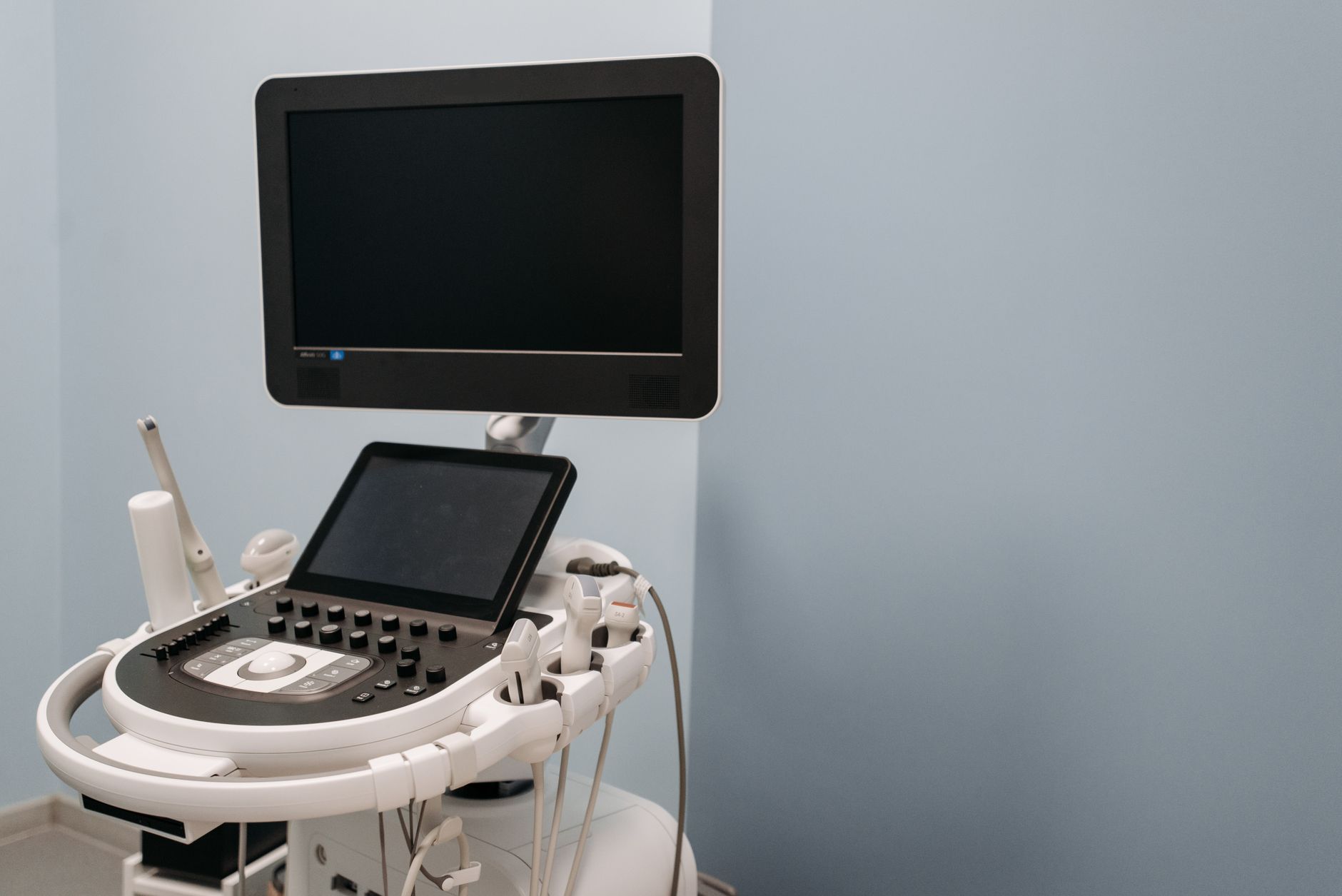
- UCA values are captured using standard transvaginal ultrasound equipment already available in most Indian district hospitals.
- The Bishop Score remains the first line of assessment during the initial clinical examination.
- Data suggests that the combination method is particularly effective for first-time mothers.
The beauty of this approach lies in its simplicity. It does not require expensive, specialized equipment or long training periods for radiologists. If a doctor is already performing a routine ultrasound to check fetal position or amniotic fluid levels, adding a UCA measurement takes only a few extra seconds. This makes it a highly scalable solution for rural health centers that may lack the resources for more complex diagnostic tools. It is a rare instance where a high-tech measurement integrates seamlessly into existing, low-tech workflows, providing immediate value to the patient on the table.
Clinical Implications for Indian Maternity Wards
In the context of the Indian healthcare landscape, where private maternity clinics and government hospitals alike are grappling with the rising trend of elective C-sections, this research carries significant weight. The World Health Organization has long cautioned against the overuse of surgical births, yet the reality on the ground often involves a 'better safe than sorry' approach. If a doctor feels uncertain about whether a patient will successfully progress through induced labor, the default is often a C-section to avoid prolonged labor complications.
Sources confirmed that the ability to accurately predict induction success could be a game-changer for hospital policy. If a patient's combined score—Bishop plus UCA—indicates a high probability of success, the medical team can proceed with induction with greater confidence. Conversely, if the scores indicate a high likelihood of failure, the hospital can manage expectations early, perhaps opting for different management strategies or preparing for a controlled surgical birth.
This directly addresses the 'wait and see' anxiety that plagues both patients and doctors. A mother who is 40 weeks pregnant and facing induction often feels the stress of the unknown. Knowing that her doctor has a more robust, data-backed assessment can provide immense psychological relief. Furthermore, for the hospital, reducing failed inductions means fewer hours spent in the labor room, better utilization of staff, and potentially lower costs for the patient. It is a rare alignment of clinical efficiency and patient-centered care. As hospitals in cities like Mumbai and Bengaluru look to modernize their protocols, this combined diagnostic method is likely to become a standard part of the pre-induction checklist.
Patient Outcomes and the Path Toward Fewer C-Sections
Ultimately, the success of any medical diagnostic tool is measured by patient outcomes. In the study, researchers observed that the integration of UCA allowed for a more tailored approach to labor management. Rather than a 'one-size-fits-all' induction protocol, doctors were able to categorize patients into low-risk and high-risk groups based on their combined scores. This stratification is key to improving maternal health outcomes.
For patients, this means fewer hours of labor that ultimately fail to progress. It means a reduction in the use of oxytocin, a drug used to stimulate contractions, which carries its own set of risks if used incorrectly. By identifying the patients who are truly ready for labor, doctors can avoid the 'over-induction' that leads to fetal distress and subsequent emergency interventions.
- Proper assessment reduces the duration of labor for many patients.
- Reduced reliance on high-dose oxytocin protocols lowers risk of uterine rupture.
- Improved confidence in vaginal delivery supports the national goal of lowering C-section rates.
The human element cannot be ignored. A mother who delivers vaginally after a successful induction often has a faster recovery time compared to a C-section patient. The societal impact of shifting even 5-10% of these cases toward successful vaginal births is massive. It saves thousands of families the financial burden of surgical recovery and reduces the strain on hospital resources. The research presented in the latest Cureus findings provides the technical evidence needed to justify this shift in clinical practice, moving away from subjective, manual-only assessments to a more precise, hybrid model of care.
Future Directions for Obstetric Diagnostics in India
As we look toward the future, the integration of UCA and the Bishop Score is just the beginning of a broader movement toward 'precision obstetrics.' With the rise of artificial intelligence in medical imaging, it is not difficult to imagine a future where ultrasound machines automatically calculate the UCA and provide a risk-stratified score in real-time. Such a system would remove human error entirely, providing the obstetrician with an objective 'readiness score' before they even start the induction process.
However, for now, the focus remains on training and adoption. Medical colleges across India are expected to start incorporating these findings into their residency curricula. The transition from theory to practice will be the next hurdle. Experts said that the key will be to ensure that every gynecologist, from those in top-tier urban hospitals to those in community health centers, understands how to properly measure the UCA.
The journey of this research from a prospective observational study to a standard clinical guideline is a testament to the continuous evolution of medicine. It is a reminder that even the most established practices, like those derived from the 1964 Bishop Score, can be improved upon with a little innovation. As we move forward, the goal remains clear: to provide every mother with the best possible chance for a safe, healthy, and natural birth experience. By embracing these new diagnostic tools, the medical community in India is taking a significant step toward that goal, ensuring that the technology of tomorrow is working for the families of today.