Trump, Iran Reach Peace Deal
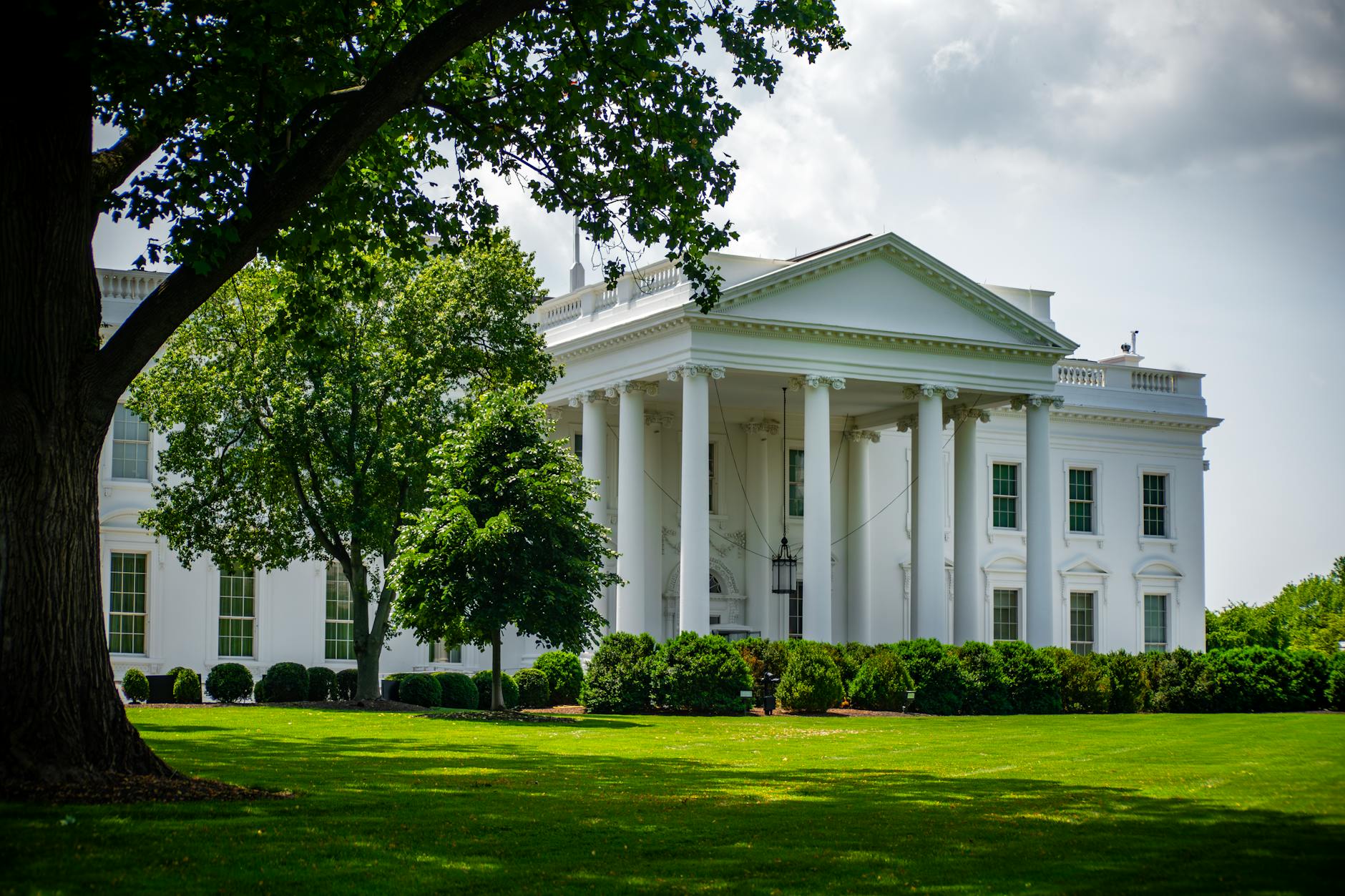
- US and Iran reach framework for peace deal
- Agreement includes no nuclear weapons for Iran
- Strait of Hormuz to be reopened
- Deal aims to end hostilities and bring stability to the region
- United Nations Secretary-General Antonio Guterres criticizes Israel's strikes on Beirut
The US and Iran have reached a framework for a peace deal, with President Trump expecting it to be signed digitally. The agreement includes Iran's commitment to not obtain nuclear weapons and the reopening of the Strait of Hormuz. The deal aims to end hostilities and bring stability to the region.
Officials said the deal is a significant step towards peace in the Middle East.
The US and Iran have been in conflict for months, with tensions escalating in recent weeks. However, with the help of Pakistani mediation, the two countries have been able to reach a mutually acceptable agreement.
The agreement has been welcomed by the international community, with United Nations Secretary-General Antonio Guterres praising the efforts of the US and Iran to reach a peaceful resolution.
Israel's Strikes on Beirut Complicate Peace Talks
Despite the progress made in the peace talks, Israel's strikes on Beirut have complicated the situation. The strikes took place on Sunday, despite a ceasefire being in place, and have been criticized by the United Nations Secretary-General Antonio Guterres.
Guterres said, 'The strikes took place despite the ceasefire and at a time when the United States and the Islamic Republic of Iran are expected to reach an agreement that will pave the way to a peaceful resolution of this conflict.'
He urged all parties to show maximum restraint at this crucial moment.
The violence in Lebanon has been a sticking point in the peace talks, with Iran insisting that any agreement with the US must extend to the conflict in Lebanon.
Details of the Peace Deal
The peace deal includes several key provisions, including Iran's commitment to not obtain nuclear weapons. The deal also includes the reopening of the Strait of Hormuz, which has been closed due to the conflict.
Sources confirmed that the deal aims to end hostilities and bring stability to the region.
The deal has been welcomed by the international community, with many countries praising the efforts of the US and Iran to reach a peaceful resolution.
However, some experts have expressed concerns about the deal, citing the lack of details and the potential for violations.
Historical Context of the Conflict
The conflict between the US and Iran has a long and complex history, dating back to the 1970s. The two countries have been in conflict for decades, with tensions escalating in recent years.
On April 8, 2026, the US and Iran agreed to a two-week ceasefire, mediated by Pakistan. However, the ceasefire has been violated by both sides numerous times.
On May 25-26, 2026, the US struck Iranian missile launch sites, escalating the conflict.
Despite the challenges, the US and Iran have been able to reach a mutually acceptable agreement, paving the way for a peaceful resolution.
Human Impact of the Conflict
The conflict between the US and Iran has had a significant human impact, with many people affected by the violence and instability.
Witnesses said that the conflict has caused widespread destruction and displacement, with many people forced to flee their homes.
The conflict has also had a significant economic impact, with trade and commerce disrupted by the closure of the Strait of Hormuz.
However, with the peace deal in place, there is hope that the region can begin to rebuild and recover from the conflict.