UCLA Prototype Uses Light to Expose AI Face Swaps
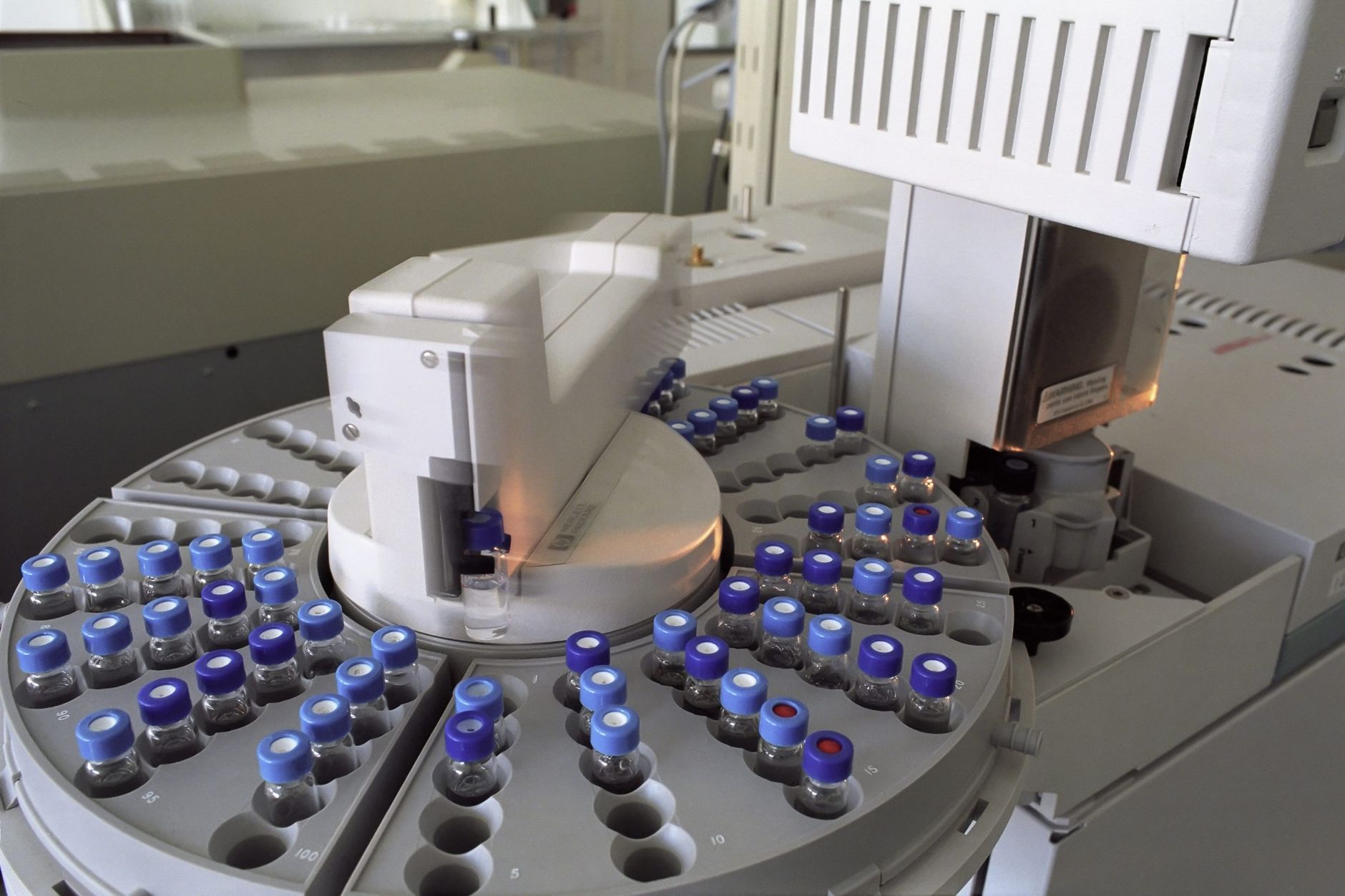
- UCLA researchers developed a lab prototype that uses light and optical layers to detect face swaps.
- The research investigates whether illumination priors can improve the accuracy of deepfake detection.
- Early results from the bench setup show high accuracy on benchmark video sets.
- Current detection systems are moving beyond software-only approaches to incorporate hardware-based light analysis.
- Experts emphasize that real-time, large-scale verification remains a challenge for future development.
Researchers at the UCLA Samueli School of Engineering are testing a new method to catch deepfakes by analyzing how light interacts with a face. The team built a lab prototype that utilizes a 532nm laser, a spatial light modulator, and a 100-fps high-speed camera to identify digital manipulations. This approach represents a shift from traditional software-only detection methods. Instead of looking only at pixel patterns, this system uses physical optical layers to detect inconsistencies in how light hits a subject. The project comes at a time when deepfake technology has reached a point where human eyes often fail to spot the difference between real and generated content. By focusing on illumination priors, the researchers aim to identify the subtle errors that AI models leave behind when they synthesize human features. The prototype remains in the bench-testing phase, but the initial results indicate that physical light analysis could be a powerful tool for verification. For the average user, this means the future of digital safety might rely on more than just code. It suggests that hardware-level checks could eventually become standard in devices designed to verify the authenticity of video content. Officials said the current setup has shown high accuracy when tested against 3 major benchmark video sets, providing a potential path forward for more robust detection systems.
The Scientific Debate Over Illumination Priors
The core of the new research lies in the concept of an illumination prior. This technique assumes that light in a real-world environment follows specific physical laws that AI models often struggle to replicate perfectly. When a face is swapped into a video, the lighting on that face must match the background environment. If the AI fails to account for every reflection, shadow, or subtle light shift, the illumination prior can reveal the deception. Researchers are examining whether this physical constraint can provide a reliable filter for deepfake content. While software models often look for artifacts like blurred edges or unnatural skin textures, the illumination prior looks for the physics of the scene. This is a fundamental change in strategy. By grounding the detection process in physical reality, the researchers hope to create a system that is harder for generative models to fool. However, experts pointed out that the effectiveness of this method depends on the complexity of the environment. In controlled settings, such as the UCLA lab, the results are promising. But in the wild, where lighting can be erratic and unpredictable, the challenge grows significantly. The research aims to bridge this gap by refining how the optical layers interpret these light patterns. The study, currently circulating in research circles, seeks to determine if this physical approach can scale beyond the laboratory.
Why Hardware-Based Detection Outpaces Software Alone
For years, the battle against deepfakes has been a software arms race. As detection algorithms get better, the AI models used to create deepfakes also improve. This cycle leaves many security experts looking for a different solution. Hardware-based detection, like the UCLA prototype, offers a potential exit from this endless loop. By integrating optical components directly into the verification process, researchers are adding a layer of security that software cannot easily bypass. The prototype uses a light modulator to manipulate incoming light before it reaches the camera sensor. This allows the system to extract features that are invisible to the naked eye but highly telling for a detection model. The energy savings and efficiency of this hardware-based approach are also notable. According to project estimates, these optical layers could reduce the computational load required for real-time verification by 30% to 40%. This is a critical development for industries that rely on video verification, such as banking and identity services. If a device can perform these checks at the hardware level, it could provide a faster, more secure way to confirm that a person is who they claim to be. The transition from pure software to hybrid hardware-software systems marks a new chapter in digital forensics.
Temporal Sanity Gates and the Race for Authenticity
The search for reliable detection methods is not limited to academic labs. In the broader AI community, developers on platforms like Reddit (r/MachineLearning) are experimenting with various techniques to maintain continuity and reality in video processing. One such tool is the 'Temporal Sanity Gate,' which focuses on tracking faces across image batches to ensure that video sequences remain logically consistent over time. These tools work by enforcing strict rules on how faces move and change within a video. If a face suddenly shifts in a way that defies temporal logic, the system flags the anomaly. This is similar to how the UCLA researchers are using physical light properties to spot inconsistencies. Both approaches aim to solve the same problem: identifying the subtle errors that occur when AI generates or modifies video content. The combination of these techniques—physical light analysis and temporal consistency checks—could eventually form a multi-layered defense system. As the technology matures, these methods will likely be integrated into platforms to help users distinguish between authentic footage and manipulated media. The goal is to create an environment where users can trust the content they consume, regardless of how advanced generative AI becomes.
The Growing Cost of Digital Deception for Users
The rise of AI porn and sophisticated face-swap tools has created an urgent need for effective detection methods. Research indicates that approximately 96% of deepfake videos found online are non-consensual sexual imagery, leading to significant personal and societal harm. Because these tools are becoming more accessible, the ability to detect and block this content is no longer just a technical challenge; it is a matter of public safety. The impact on ordinary people is profound. When digital identity can be stolen and manipulated with such ease, the baseline for trust in digital media erodes. This is why research into illumination priors and other detection methods is so vital. By providing tools that can reliably identify deepfakes, researchers are helping to protect individuals from the fallout of unauthorized digital manipulation. The UCLA prototype and similar projects provide a glimpse into a future where technology is used to restore, rather than undermine, digital trust. While these systems are currently in the prototype stage, their development is a necessary step toward a more secure internet. As these tools move from the lab to real-world applications, they will play a crucial role in safeguarding the integrity of personal and professional communication.
Building a Future Where Real Faces Remain Real
The road to widespread deepfake detection is long and complex. The UCLA lab prototype demonstrates that while there is no silver bullet, physical analysis holds great promise. By leveraging the laws of light and optical physics, researchers are finding ways to see past the digital veneer of AI-generated content. As these methods are refined, they will likely become a standard part of the digital verification stack. The next phase for the UCLA team involves scaling the prototype and testing it in more than 50 diverse, real-world lighting environments. This will be the true test of whether illumination priors can hold up outside of a controlled lab bench. If successful, this research could lead to new standards for video authenticity that are built into the very hardware we use every day. Ultimately, the goal is to create a digital world where the authenticity of a person's face is as verifiable as a digital signature. This will require continued investment in both hardware and software, as well as a focus on the ethical implications of how these tools are deployed. As we look toward the future, the work being done today at universities and in research labs will be the foundation for the security measures of tomorrow.