Scientists Find 1st Contagious Cancer in Wild Catfish
- First known transmissible cancer in wild fish discovered
- 23% to 37% of sampled catfish have melanoma lesions
- Tumours share identical DNA, suggesting single cell origin
- Study published in Nature details freshwater transmission
- Brown bullhead catfish in Lake Memphremagog affected
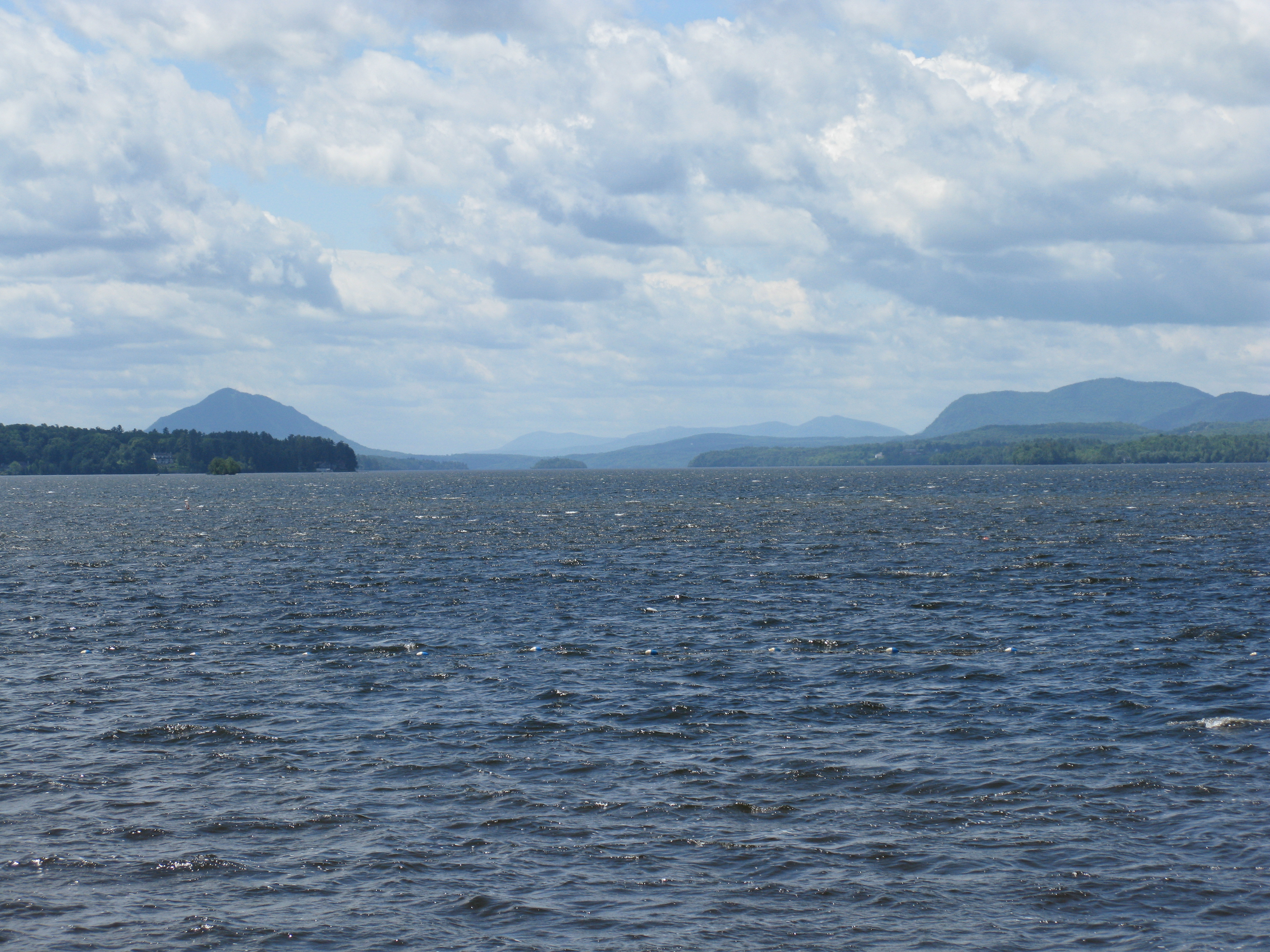
Scientists have identified the first known likely transmissible cancer in wild fish, a discovery that fundamentally alters our understanding of oncology and disease ecology in the natural world. The research, published today in the journal Nature, reveals that malignant melanomas spreading through a population of brown bullhead catfish in Lake Memphremagog are genetically identical. This finding suggests that the cancer cells themselves are acting as an infectious agent, jumping from one fish to another in a manner previously thought impossible for vertebrates in the wild. Lake Memphremagog, a sprawling freshwater body that straddles the border between Vermont in the United States and Quebec in Canada, has become the unlikely epicentre of this biological phenomenon. The mystery began in 2013 when anglers and biologists started pulling brown bullhead catfish from the depths, noticing disturbing raised black spots on their bodies. What initially appeared to be a minor anomaly or a simple skin infection has now been confirmed as a virulent form of skin cancer. According to the new study, between 23% and 37% of the fish sampled in the lake carried confirmed melanoma lesions. This high prevalence rate shocked researchers, as such a uniform spread of a specific cancer type typically suggests a common environmental cause or, in this rare case, direct transmission. The implications are profound. While we have long understood that cancer is a disease of cellular mutation occurring within an individual, this finding proves that under specific ecological circumstances, cancer cells can become a parasitic entity capable of survival outside the original host. It challenges the rigid biological dogma that cancer is strictly a non-communicable disease. Researchers noted that the tumours found on these fish were not just similar in appearance; they were clones. The DNA sequencing data indicates that every single tumour sampled originated from a single lineage of cancer cells that has been propagating through the population over time. This makes the brown bullhead catfish the only known species of wild fish to suffer from a contagious cancer, and Lake Memphremagog the first freshwater environment where such a disease vector has been documented. The discovery sends a ripple of concern through the scientific community, raising urgent questions about the health of aquatic ecosystems and the potential for similar undetected transmissible cancers in other species. To arrive at this conclusion, the research team performed extensive genomic analysis. By comparing the DNA of the tumours to the DNA of the host fish, they found a stark mismatch: the tumour cells possessed a distinct genetic fingerprint that did not match the somatic cells of the fish they were infecting. This is the smoking gun for transmissible cancer. It indicates that the disease is not arising spontaneously within each fish due to environmental mutagens, but rather is an external pathogen that has colonized the population. The lineage of these cancer cells, researchers estimate, may have diverged from its original host centuries ago, evolving independently as a parasitic clone. This finding is particularly alarming given the ecological role of the brown bullhead. As benthic omnivores, these fish are integral to the freshwater food web, serving as both predators of invertebrates and prey for larger game fish. A contagion affecting such a foundational species could have cascading effects on the entire lake ecosystem, potentially altering predator-prey dynamics and the biodiversity of the benthic zone. • 23% to 37% of sampled fish have melanoma. • The cancer cells are genetically identical clones. • This is the first documented case in wild fish. • Lake Memphremagog spans Vermont and Quebec.
A Cancer That Acts Like a Parasite
The concept of a contagious cancer feels like a plot point from a science fiction thriller, yet biology has a way of outpacing our imagination. In humans and most animals, cancer cells are recognised as foreign by the immune system of another individual and are quickly destroyed. Our bodies are fortified with biological defences designed to prevent the exact scenario now unfolding in the waters of North America. However, this discovery adds the brown bullhead catfish to a very short and ominous list of animals where nature's firewall has failed. Scientists have previously documented transmissible cancers in only a handful of species. The most famous example is the Tasmanian devil, a marsupial carnivore that has been decimated by Devil Facial Tumour Disease (DFTD). This disease, which causes large tumours to form around the face and mouth, is spread when the devils bite each other during social interactions or fighting. The cancer cells survive the transfer because the devils have low genetic diversity, meaning the recipient's immune system does not recognise the incoming cells as invaders. Similarly, dogs can contract Canine Transmissible Venereal Tumour (CTVT), a sexually transmitted cancer that has been passing between dogs for thousands of years, effectively making the tumour itself an ancient, parasitic life form. Certain species of soft-shell clams and mussels on the Atlantic coast of North America have also been found to suffer from a leukaemia-like cancer that spreads through seawater. What makes the catfish discovery so significant is that it is the first time this has been observed in a bony fish in a freshwater environment. Experts pointed out that this expands the known boundaries of how such diseases can operate. The transition from a saltwater environment, seen in the molluscs, to a freshwater lake system suggests that the mechanisms for cell survival outside a host may be more robust than previously theorised. The cancer cells in the catfish, specifically malignant melanomas, are behaving almost like a separate parasite. They have found a way to evade the immune system of their new host, establish a blood supply, and grow. This biological feat represents a complex evolutionary arms race. The cancer cell must evolve to survive transmission, while the host must evolve to recognise and reject it. In the case of the brown bullhead, the cancer is currently winning. The study highlights that while these cancers are rare, they are not biological flukes. They are distinct evolutionary events that occur when specific conditions align. The comparison to CTVT is particularly instructive; that cancer is believed to be approximately 11,000 years old, originating in a single dog that lived in Asia or Europe. It has since traveled the globe, living as a unicellular, asexual life form distributed through canine populations. The catfish melanoma may represent a similar evolutionary trajectory—a cancer lineage that has achieved a form of immortality by moving from body to body. This challenges our definition of life and disease, blurring the line between a somatic mutation and an independent pathogen. Unlike a virus, which hijacks a host's cells to replicate, these cancer cells *are* the infectious agent, complete with the original host's mitochondria and nuclei, surviving entirely on their own biological machinery.
The Immunological Puzzle: Why the Firewall Failed
The critical question arising from this discovery is not just how the cancer spreads, but why the immune systems of the brown bullhead catfish fail to stop it. In vertebrate biology, the Major Histocompatibility Complex (MHC) serves as the primary security system. MHC molecules sit on the surface of cells and display fragments of proteins to the immune system's T-cells. If these proteins are identified as "self," the T-cells stand down; if they are "non-self," the immune system launches an attack. In a standard transplant scenario, tissues from one individual are rejected by another because the MHC markers are incompatible. For transmissible cancers to succeed, this barrier must be breached. In the case of the Tasmanian devils, the population crash created a genetic bottleneck, resulting in such low genetic diversity that the devils effectively share the same MHC markers. The cancer cells, originating from a devil with the same markers, are invisible to the immune system of the recipient. Researchers suspect a similar mechanism may be at play in Lake Memphremagog. The brown bullhead population in the lake may exhibit low genetic diversity, or the cancer lineage may have evolved specific mechanisms to suppress the host's immune response. Alternatively, the cancer cells might downregulate their own MHC expression, effectively cloaking themselves from detection—a tactic also used by some viruses and aggressive human cancers. Another hypothesis involves the environment itself. Lake Memphremagog, like many freshwater bodies, faces various anthropogenic stressors including agricultural runoff and historical pollution. While the initial study points to transmission rather than pollution as the direct cause of the tumours' spread, environmental stressors are known to immunocompromise fish. Chronic exposure to low levels of toxins or fluctuating water temperatures could weaken the general immune vigilance of the catfish population, creating a permissive environment for the cancer cells to establish a beachhead. Furthermore, the physical nature of the melanoma may play a role. As external tumours, the cancer cells are shed into the water. Unlike internal tumours, which are contained by the host's body, these external lesions have direct access to the environment and potential hosts. The durability of these cells in freshwater is a subject of intense study. Water is a hostile medium for cells due to osmotic pressure differences, yet these melanoma cells appear to survive long enough to find a new host. This suggests they possess robust cell membranes or adaptive mechanisms to regulate their internal salt balance, a trait that would have been selected for over the generations of the cancer's evolution. Understanding this immunological failure is paramount. If scientists can identify the specific "key" the cancer uses to unlock the host's defenses, it could lead to management strategies, such as vaccines or immunotherapies, designed to help the fish recognize and destroy the invading cells.
Ecological Ripple Effects and the Search for Answers
The identification of a contagious cancer in a freshwater ecosystem has immediate and long-term implications for conservation biology and ecosystem management. While the immediate concern is the welfare of the brown bullhead catfish, the broader fear is that this could be the tip of the iceberg. If this evolutionary innovation has occurred once in a freshwater fish, it is statistically unlikely to be a singular event. This raises the specter of other, yet-undetected transmissible cancers circulating in wild populations, perhaps contributing to unexplained declines in amphibian, reptilian, or other fish species. For the ecosystem of Lake Memphremagog, the presence of this pathogen adds a new layer of complexity. The brown bullhead catfish is a resilient species, often used as an indicator of environmental health because it is sensitive to sediment contaminants. However, a contagious cancer acts as a density-dependent regulator of the population. As the fish density increases, the transmission rate likely increases, potentially leading to boom-and-bust population cycles. This instability can affect the species that prey on the catfish, such as largemouth bass and northern pike, as well as the invertebrate populations the catfish controls. The economic impact is also a consideration. Lake Memphremagog is a vital resource for both Vermont and Quebec, supporting recreational fisheries and tourism. While the brown bullhead is not a primary game fish, the perception of "sick fish" in the lake could deter anglers and impact the local economy. Moreover, the discovery necessitates a shift in how we monitor aquatic diseases. Traditional disease surveillance focuses on pathogens like bacteria, viruses, and fungi. Cancer is rarely on the checklist because it is not considered contagious. This finding mandates that wildlife biologists and pathologists expand their diagnostic protocols. When investigating fish kills or lesions, genomic sequencing to rule out clonal transmission may become a standard procedure. The research team is now calling for widespread surveillance of other lakes and rivers, particularly those with connected waterways to Lake Memphremagog, to see if the cancer has spread or if independent lineages have emerged. The 'One Health' approach, which recognizes the interconnection between human, animal, and environmental health, is crucial here. While there is no evidence that this fish cancer poses a risk to humans, the *mechanism* of transmission is what matters. It provides a living laboratory to study how cancer cells adapt to become infectious. By observing the catfish melanoma, scientists can gain insights into metastasis—the spread of cancer within a human body. In many ways, the transmission of cancer between fish is analogous to metastasis, just on an ecological scale rather than a physiological one. The cells must detach, survive in a hostile environment (blood or water), invade a new site, and stimulate angiogenesis to grow. Solving the mystery of the catfish could, paradoxically, lead to breakthroughs in treating human cancer by revealing the fundamental vulnerabilities of rogue cells attempting to colonize new territory.