172 Vessels Cross Strait of Hormuz After US-Iran Deal
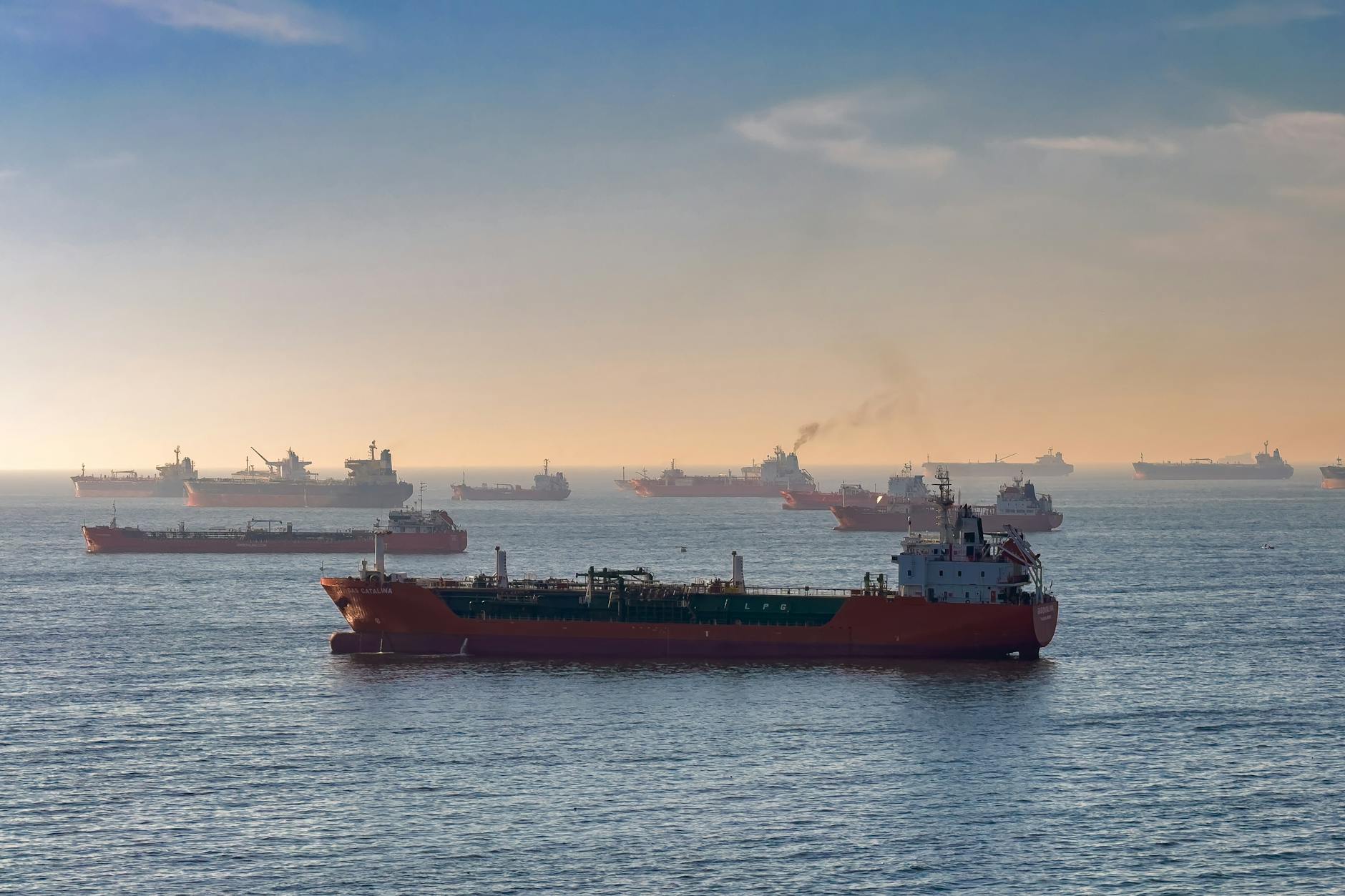
- 172 vessels cross Strait of Hormuz after US-Iran deal
- 42 ships cross on Saturday alone
- Sanctions on Iranian vessels waived for 60 days
- Shipping traffic rises to highest level since conflict began
- Iranian mines still pose threat to ships in central channel
At least 172 vessels have crossed through the Strait of Hormuz since the US and Iran signed a deal aimed at ending the war, including 42 ships on Saturday alone, according to new data from maritime intelligence firm Kpler. The number of vessels making the transit from 18 June, the day after the deal was signed, is still well below the pre-conflict average of some 138 crossings each day. Officials said the increase in ship traffic is a positive sign, but the threat of Iranian mines in the central channel remains a concern.
The Strait of Hormuz is a critical waterway, with nearly 20% of the world's oil passing through it. The US and Iran deal has paved the way for a resumption in traffic, but experts warn that safe and unrestricted passage is still not guaranteed.
- 109 vessels transited the Strait of Hormuz from Saturday through Monday, the highest level since the conflict began.
- Nearly one in five commercial ships traversing the strait is a sanctioned vessel linked to Iran.
Despite the increase in ship traffic, the number of vessels remains below the pre-conflict average, and the central channel remains unusable due to Iranian mines, causing ships to use either the northern Iranian route or the southern Omani route.
US and Iran Deal Paves Way for Resumption in Traffic
The US and Iran deal, signed on 17 June, has paved the way for a resumption in traffic through the Strait of Hormuz. The deal includes a 60-day waiver on sanctions for Iranian vessels, allowing them to sail freely. Sources confirmed that at least 30 tankers transporting Iranian crude and petrochemicals have exited the waterway since the deal was signed.
The deal has also led to an increase in oil tanker traffic, with shipping traffic rising to the highest level since the conflict began. However, experts warn that the threat of Iranian mines in the central channel remains a concern, and safe and unrestricted passage is still not guaranteed.
The US and Iran deal is seen as a positive step towards ending the conflict, but the situation remains fragile. Officials said that the deal is a temporary measure, and a more permanent solution is still needed to ensure the safe passage of ships through the Strait of Hormuz.
Iranian Mines Pose Threat to Ships in Central Channel
The central channel of the Strait of Hormuz remains unusable due to Iranian mines, causing ships to use either the northern Iranian route or the southern Omani route. The mines pose a significant threat to ships, and experts warn that the risk of an accident is still high.
Sources confirmed that the Iranian mines are still in place, and the US and Iran deal does not include any provisions for their removal. Officials said that the removal of the mines is a critical step towards ensuring the safe passage of ships through the Strait of Hormuz.
The use of the northern Iranian route or the southern Omani route adds to the complexity and risk of navigating the Strait of Hormuz. Ships must navigate through narrow waterways, and the risk of an accident is still high.
- The northern Iranian route is seen as the more risky option, with ships having to navigate through narrow waterways and avoid Iranian mines.
- The southern Omani route is seen as the safer option, but it adds to the journey time and fuel costs for ships.
Shipping Traffic Rises to Highest Level Since Conflict Began
Shipping traffic through the Strait of Hormuz has risen to the highest level since the conflict began, with 109 vessels transiting the strait from Saturday through Monday. The increase in ship traffic is seen as a positive sign, but experts warn that the threat of Iranian mines in the central channel remains a concern.
The rise in shipping traffic is also seen as a sign of strengthening confidence among shipowners, as Iran is expected to refrain from targeting vessels. However, the situation remains fragile, and the risk of an accident is still high.
Sources confirmed that the shipping traffic is expected to continue to rise in the coming days, as more ships take advantage of the US and Iran deal. Officials said that the deal has paved the way for a resumption in traffic, but safe and unrestricted passage is still not guaranteed.
The increase in shipping traffic is also seen as a positive sign for the global economy, as the Strait of Hormuz is a critical waterway for the transportation of oil and other goods.
India Angle: Impact on Global Shipping and Trade
The US and Iran deal has significant implications for global shipping and trade, including India. The Strait of Hormuz is a critical waterway for the transportation of oil and other goods, and the increase in shipping traffic is seen as a positive sign for the global economy.
India is one of the largest importers of oil, and the deal is seen as a positive sign for the country's energy security. Sources confirmed that India is expected to benefit from the deal, as it will lead to a reduction in oil prices and an increase in the availability of oil.
However, the situation remains fragile, and the risk of an accident is still high. Officials said that India is closely monitoring the situation and is working with other countries to ensure the safe passage of ships through the Strait of Hormuz.
- India is expected to benefit from the deal, as it will lead to a reduction in oil prices and an increase in the availability of oil.
- The deal is seen as a positive sign for India's energy security, as it will reduce the country's dependence on other countries for oil.
What Happens Next: Fragile Situation and Risk of Accident
The situation in the Strait of Hormuz remains fragile, and the risk of an accident is still high. The US and Iran deal is seen as a positive step towards ending the conflict, but a more permanent solution is still needed to ensure the safe passage of ships through the Strait of Hormuz.
Sources confirmed that the deal is a temporary measure, and a more permanent solution is still needed to ensure the safe passage of ships. Officials said that the removal of Iranian mines from the central channel is a critical step towards ensuring the safe passage of ships.
The international community is closely monitoring the situation, and experts warn that the risk of an accident is still high. The use of the northern Iranian route or the southern Omani route adds to the complexity and risk of navigating the Strait of Hormuz.
The situation in the Strait of Hormuz is complex and multifaceted, and a more permanent solution is still needed to ensure the safe passage of ships. The US and Iran deal is seen as a positive step, but it is only the beginning of a long and difficult process.
Conclusion: Strait of Hormuz Still a Critical Flashpoint
The Strait of Hormuz remains a critical flashpoint in the Middle East, and the situation is still fragile. The US and Iran deal has paved the way for a resumption in traffic, but safe and unrestricted passage is still not guaranteed.
The deal has significant implications for global shipping and trade, including India. The increase in shipping traffic is seen as a positive sign, but the threat of Iranian mines in the central channel remains a concern.
The international community is closely monitoring the situation, and experts warn that the risk of an accident is still high. The situation in the Strait of Hormuz is complex and multifaceted, and a more permanent solution is still needed to ensure the safe passage of ships.
The Strait of Hormuz will continue to be a critical flashpoint in the Middle East, and the situation will continue to evolve in the coming days and weeks. The international community will be closely watching the situation, and experts will be monitoring the situation closely to ensure the safe passage of ships through the Strait of Hormuz.