Poor Sleep, Daily Habits Accelerate Brain Ageing, Neurologists Warn
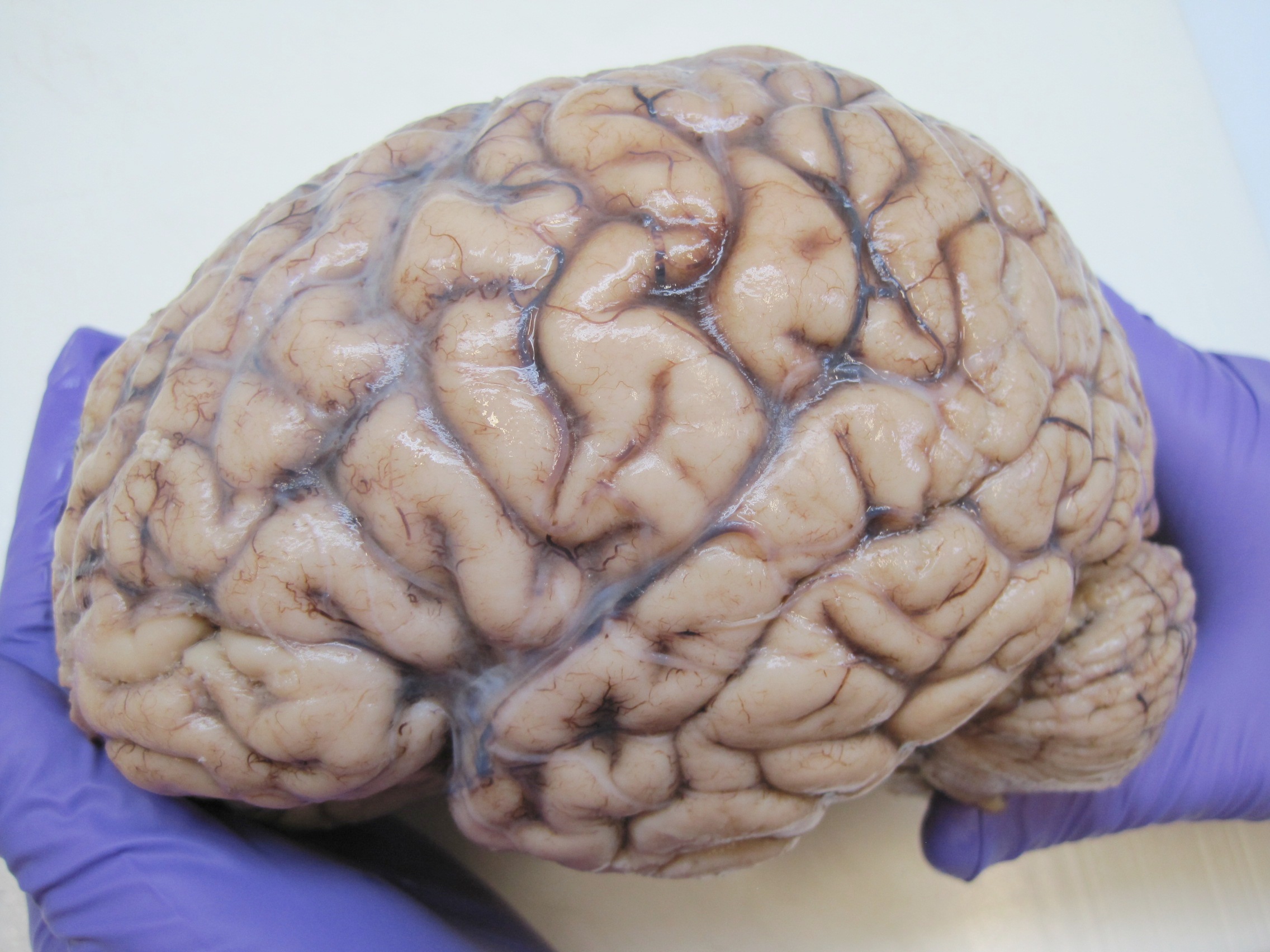
- Chronic sleep deprivation and disorders like sleep apnoea are linked to changes in the hippocampus, vital for memory.
- Poor sleep is associated with increased beta-amyloid and tau proteins, markers for Alzheimer's disease.
- Heavy midlife TV watching can reduce brain volume in areas for memory and executive function.
- Popular sugar substitutes may accelerate cognitive decline by 1.6 years, particularly in younger adults or diabetics.
- Social isolation poses a cognitive decline risk comparable to smoking 15 cigarettes daily.
New findings reveal that seemingly innocuous daily habits, from chronic poor sleep to excessive television viewing and the consumption of popular sugar substitutes, are silently accelerating brain ageing across Europe. Neurologists are issuing urgent warnings that these lifestyle choices could significantly impact memory and overall cognitive health, increasing the risk of neurodegenerative conditions by a measurable degree. This emerging understanding demands a re-evaluation of how individuals approach their daily routines, highlighting a critical public health challenge for the continent's 746 million residents. The cumulative effect of these habits, often dismissed as minor inconveniences, is now understood to contribute to measurable changes within the brain's delicate structures. For millions of Europeans, these revelations underscore a pressing need for greater awareness and proactive measures to safeguard long-term cognitive vitality. Experts stress that the brain's health is not solely dictated by genetics but is profoundly shaped by the environment and choices made throughout life, making these daily exposures particularly concerning.
Chronic Sleep Deficits Linked to Hippocampal Damage and Alzheimer's Markers
One of the most significant contributors to premature brain ageing, according to recent research, is chronic sleep deprivation and untreated sleep disorders. Conditions such as sleep apnoea, where breathing repeatedly stops and starts, are directly associated with observable changes in the hippocampus, the brain region indispensable for learning and memory formation. These structural alterations can manifest as reduced volume or impaired function, directly affecting an individual's ability to retain new information and recall past events. Studies have also established a clear link between poor sleep quality and an increased accumulation of detrimental proteins within the brain. Specifically, beta-amyloid and tau proteins, both hallmarks of Alzheimer's disease pathology, are found in higher concentrations in individuals experiencing prolonged sleep deficits. This suggests that insufficient or disrupted sleep may not only impair immediate cognitive function but could also accelerate the pathological processes underlying neurodegenerative diseases. The mechanism involves the brain's 'glymphatic system,' which acts as a waste clearance system primarily during deep sleep, removing metabolic by-products. When sleep is compromised, this critical clearance process falters, allowing toxic proteins to build up. For a continent grappling with an ageing population, where the proportion of people aged 65 and over is projected to reach 30% by 2070, the implications for public health and healthcare systems are profound, necessitating greater attention to sleep hygiene and the diagnosis of sleep disorders. Many Europeans, particularly those in demanding professional roles, often view sleep as a luxury rather than a fundamental biological requirement, a perception that these findings challenge directly.
Beyond Sleep: Interconnected Factors Shaping European Brain Health
While sleep plays a pivotal role, neurologists emphasise that brain health is a complex interplay of numerous interconnected factors, extending far beyond the hours spent resting. A holistic view considers a spectrum of physiological and lifestyle elements that collectively influence cognitive resilience and vulnerability. Key among these are metabolic indicators such as blood pressure, blood sugar levels, and cholesterol. Uncontrolled hypertension, for instance, can damage the delicate blood vessels supplying the brain, leading to reduced blood flow and an increased risk of vascular dementia. Similarly, chronically elevated blood sugar, often associated with type 2 diabetes, can contribute to inflammation and oxidative stress, both detrimental to neuronal health. High cholesterol levels, particularly LDL or 'bad' cholesterol, are also implicated in arterial plaque formation, further compromising cerebral circulation. Regular physical exercise emerges as a powerful protective factor, promoting blood flow, reducing inflammation, and stimulating the growth of new brain cells. Conversely, smoking remains a significant risk, accelerating arterial hardening and increasing the likelihood of stroke and cognitive decline. Genetics also play a role, predisposing some individuals to higher risks, but lifestyle choices can often mitigate or exacerbate these inherited vulnerabilities. Overall cardiovascular health is thus intrinsically linked to brain health, with conditions like atrial fibrillation or heart failure increasing the risk of cognitive impairment. Healthcare systems across the European Union are increasingly recognising this interconnectedness, advocating for integrated care approaches that address multiple risk factors simultaneously. Initiatives promoting healthy diets, regular physical activity, and smoking cessation are not just beneficial for heart health but are now understood as crucial pillars for preserving cognitive function well into old age. The economic burden of cognitive decline on European societies, estimated in the hundreds of billions of Euros annually, provides a powerful impetus for these preventative strategies.
Midlife Television Habits Shrink Key Brain Regions, USC Study Reveals
The familiar admonition to 'turn off that TV' now carries significant scientific backing, as a recent study published in *Alzheimer's and Dementia: The Journal of the Alzheimer's Association* reveals a concerning link between heavy television watching in midlife and reduced brain volume. Researchers from the University of Southern California (USC) found that individuals who reported watching TV 'very often' during their middle years later exhibited measurable shrinkage in critical brain areas. These affected regions include those associated with memory, such as parts of the temporal lobe, as well as smaller frontal and occipital lobes, which are responsible for executive logic and visual processing, respectively. The study also identified areas of damage within the brain's white matter, the connective tissue that facilitates communication between different brain regions. Such white matter damage is commonly associated with ageing, an increased risk of stroke, and general cognitive decline. While the term 'rot your brain' might be an exaggeration, the scientific evidence suggests a systematic, detrimental impact that cannot be ignored. The passive nature of television viewing, often displacing more cognitively stimulating activities or physical exercise, is hypothesised to be a key mechanism. Unlike reading or engaging in complex problem-solving, which actively recruit and strengthen neural networks, prolonged passive screen time may lead to a 'use it or lose it' scenario for certain brain functions. This research provides a compelling argument for Europeans to reconsider their screen time habits, particularly as they enter midlife, a period increasingly recognised as crucial for establishing long-term brain health trajectories. With average daily screen time for adults in many European countries exceeding three hours, these findings present a significant public health challenge, urging a shift towards more active and engaging leisure pursuits. The implications extend to digital media consumption more broadly, as similar passive consumption patterns may yield comparable long-term effects on brain structure and function.
Artificial Sweeteners Linked to 1.6-Year Faster Cognitive Ageing, Warn Experts
For many Europeans seeking to reduce sugar intake, artificial sweeteners have long been perceived as a harmless alternative. However, new research presented by the American Academy of Neurology at its 74th Annual Meeting in Seattle, Washington, suggests these popular substitutes may not be as innocuous as once thought, linking them to a substantially faster decline in memory and thinking skills. The study found that adults who consumed the highest amounts of artificial sweeteners experienced cognitive ageing approximately 1.6 years faster than those with the lowest intake. This effect was particularly pronounced in individuals under 60 years of age and those with diabetes, raising concerns about their long-term neurological impact. The exact mechanisms through which artificial sweeteners might affect brain health are still under investigation, but hypotheses include alterations to the gut microbiome, which is known to influence brain function, and direct neurochemical effects. Researchers stressed that while these findings are significant, more studies are needed to definitively conclude that sweeteners are the direct cause of this accelerated cognitive decline. The observational nature of the current research means that other lifestyle factors or underlying health conditions in high-sweetener consumers could also contribute to the observed effects. Despite this caveat, the findings provide a compelling reason for caution, especially given the widespread use of these products in foods and beverages across Europe. From diet soft drinks to 'sugar-free' yoghurts and snacks, artificial sweeteners are ubiquitous in the modern European diet. Consumers are encouraged to consider reducing their reliance on both sugar and its artificial alternatives, opting instead for water, unsweetened beverages, and whole foods. Public health bodies across the EU are likely to scrutinise these findings closely, potentially leading to revised dietary guidelines or increased public awareness campaigns regarding the potential risks associated with prolonged artificial sweetener consumption. The drive for 'healthier' food options must now consider the full spectrum of ingredients and their long-term neurological implications.
Social Isolation's Profound Impact on Cognitive Resilience Across Europe
Beyond the physiological and dietary factors, the social fabric of an individual's life also exerts a profound influence on brain health, with social isolation and loneliness emerging as significant risks for cognitive decline. Neurologists and public health experts now consider the impact of chronic loneliness comparable to well-established health hazards, such as smoking 15 cigarettes a day. This striking comparison underscores the severity of the threat posed by social disconnection, particularly in an increasingly urbanised and individualistic European society. The mechanisms linking social isolation to cognitive decline are multifaceted. Lack of social engagement can lead to reduced cognitive stimulation, as conversations, debates, and shared activities all challenge and exercise the brain. Furthermore, loneliness is a significant stressor, elevating cortisol levels and chronic inflammation, both of which are detrimental to neuronal health and neurogenesis—the formation of new brain cells. Social support networks also provide a buffer against psychological distress and encourage healthier behaviours, such as adherence to medical advice and participation in physical activity. Without these networks, individuals may be more prone to depression, anxiety, and neglect of self-care, all of which indirectly impact cognitive function. Across Europe, an ageing population means a growing number of individuals are at risk of social isolation, particularly those living alone, with limited mobility, or without close family ties. Initiatives aimed at fostering community engagement, intergenerational programmes, and support networks for older adults are therefore not just about improving quality of life but are now recognised as crucial interventions for preserving cognitive resilience. European policymakers and local councils are increasingly investing in programmes designed to combat loneliness, from community centres to digital literacy initiatives for seniors, understanding that a connected society is a cognitively healthier one. The challenge now lies in effectively reaching those most at risk and integrating social prescribing into mainstream healthcare, ensuring that social connection is treated as a vital component of preventative medicine. This holistic approach, encompassing sleep, diet, physical activity, and social engagement, offers the most robust pathway to safeguarding the brain health of future European generations.