Police fire tear gas as France’s cost‑of‑living protests turn violent
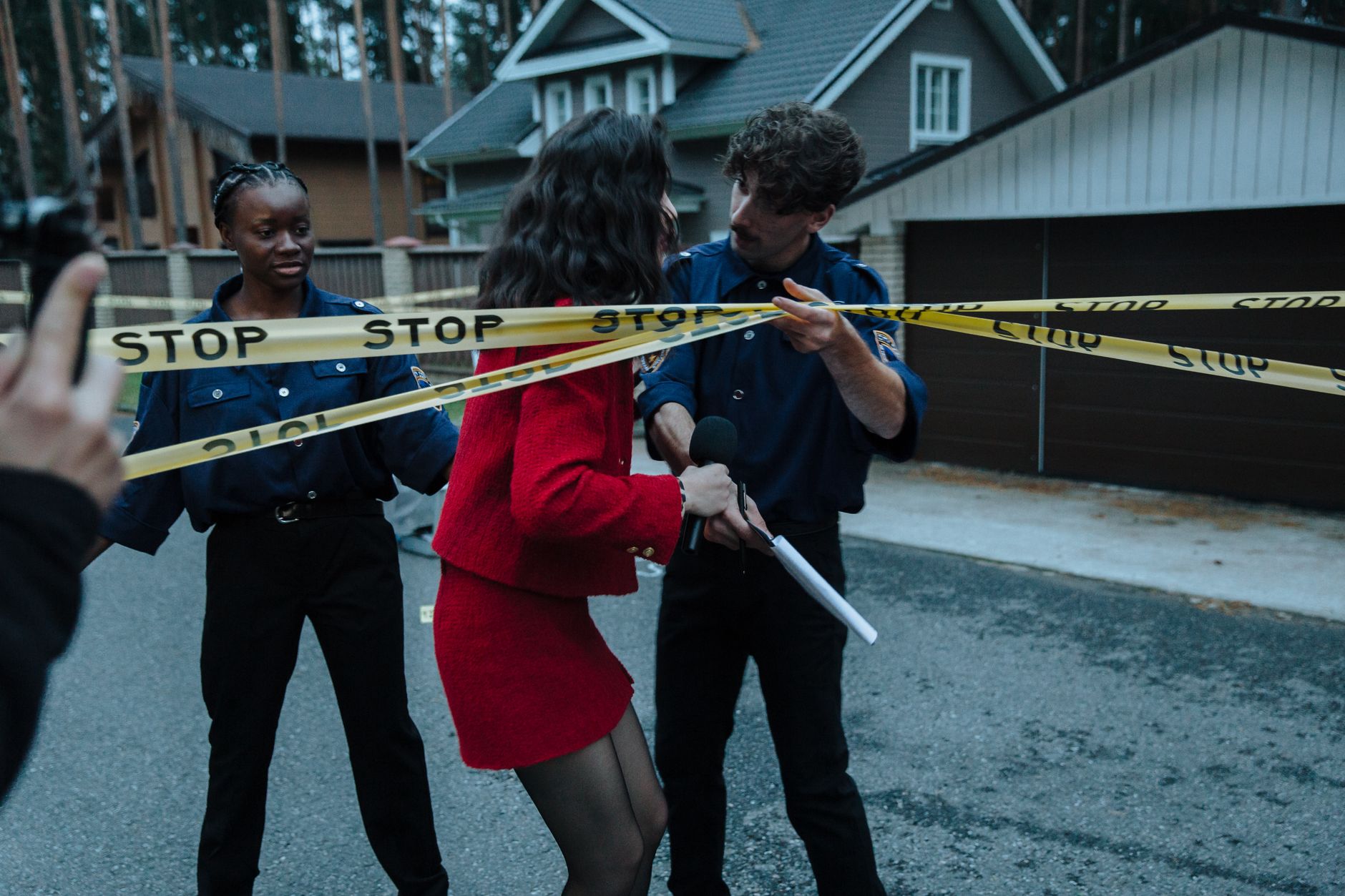
- Police deployed tear gas and water cannons in central Paris (F2).
- At least 400 people were arrested nationwide, including 272 in Paris (F4,F8).
- Organisers claim up to 800,000 demonstrators marched against rising prices (F10,F33).
- President Macron condemned the violence, promising prosecutions (F14,F31).
- Violent incidents spread to Lyon, Marseille and Limoges, with fires and injuries (F18,F19,F21).
Police deployed tear gas and water cannons to disperse masked protesters throwing fireworks and paving stones in Paris's Place de la République on Saturday, October 17, 2026. Cars were set ablaze, bicycles and trash bins ignited, a newspaper kiosk burned, shops looted and several people injured as thick black smoke rose, according to on‑site reporters. Police said they fired tear gas and water cannons to push back people wearing hoods and masks who hurled objects at officers. French security forces deployed tear gas and water cannons on Saturday to disperse masked demonstrators in central Paris. Left‑wing leader Jean‑Luc Mélenchon urged protesters not to loot and pillage where clashes occurred. The blaze consumed several vehicles and a newspaper stand, while looters ransacked nearby shops, prompting police to secure the area.
Arrests and crowd size reach record levels
Police made at least 272 arrests across France, including in Paris, on Saturday, October 17, 2026. Interior Minister Laurent Nuñez reported around 400 arrests nationwide. Nuñez said 110 marches drew about 550,000 participants across the country. Organizers, including the CGT labor union and student groups, claimed roughly 800,000 demonstrators took to the streets. The government figure of 550,000 contrasts with the organizers' estimate of 800,000. The 272 arrests reported by police differ from the interior minister's tally of about 400.
Rising living costs and revived yellow‑vest sentiment fuel unrest
The protests on Saturday formed part of a nationwide wave against rising living costs and in support of high‑school students’ grievances, organizers said. Demonstrators answered social‑media calls to revive the yellow‑vest movement that first erupted in 2018, echoing a broader anger over price spikes. Participants voiced frustration at recent gasoline, energy and food price hikes, saying the surge has hit household budgets hard.
Student groups that have been blockading schools since mid‑September urged supporters to join the street actions, linking their education demands to the cost‑of‑living crisis. The CGT union threw its weight behind the protests, demanding higher wages and pensions, lower prices and protection of public services that meet people’s needs.
Sonia Mabrouk, 40, from a western suburb of Paris, said she came with her daughter, a high‑school student, to protest “everything that’s going wrong,” criticizing policies that favor the rich and squeeze the poorest. Many demonstrators wore fluorescent yellow vests, and Mabrouk added, “There’s a general sense of frustration and anger”.
The unrest began last month in high schools in Paris’ poor northern suburbs, where anger over teacher absences and shabby facilities quickly morphed into a nationwide movement against inequality, weak public spending and falling standards.
Officials condemn violence and call for order
President Emmanuel Macron posted on X that “There is no place for violence in our Republic” and warned that vandals will be prosecuted and punished. He reiterated that there is “no room for violence” after hundreds of thousands marched against the cost‑of‑living crisis.
Far‑left presidential candidate Jean‑Luc Mélenchon, who backed the high‑school students’ movement and took part in the Paris protest on Saturday, wrote on X that “those who share our fight have no place in looting, in pillaging” and expressed uncertainty about who will hear his voice.
Violence spreads to Lyon, Marseille, Limoges and other cities
In Lyon, about twenty‑thousand demonstrators marched before a fire erupted inside a tourist office, adding to the unrest spreading beyond the capital.
Marseille saw shops and a municipal police station damaged, and protesters briefly forced entry into the City Hall lobby, while chants about a repeat of the French Revolution echoed as they stormed the mayor’s offices, according to Le Monde.
In Limoges, the City Hall was set ablaze and flames continued burning Saturday evening, underscoring the intensity of attacks on local government buildings across the country.
Interior Minister Géraldine Nuñez reported that masked groups targeted city halls in Bordeaux, attempted break‑ins at Lille and Calais halls, and attacked a police station in Brest, with further violence reported in Rennes, Toulouse, Montpellier and Grenoble.
The prefect in Marseille said one hundred seven police officers were injured, three seriously, as clashes intensified in the southern port city.
Nuñez described the troublemakers as “extremely violent, radical far‑left groups” seeking confrontations with police and targeting public buildings, including city halls and local offices.
She added that those groups were joined by offenders willing to loot shops and that most of those arrested are adults.
Meanwhile, the majority of peaceful protesters joined a march toward northwestern Paris, chanting the national anthem, waving flags and playing trumpets and violins.
Injured protester and police weapon scrutiny
A young protester in Saint‑Etienne suffered a severe hand injury on Saturday, prompting an investigation into the cause of the wound.
Nuñez declined to confirm media reports that a police grenade explosion caused the injury, as authorities examine the use of grenades and other riot‑control weapons during recent demonstrations.
The prefect expressed gratitude to law‑enforcement officers on the front lines and wished a speedy recovery to the injured men and women.
Footage shows French police vehicles, some with burst tires, attempting to flee a crowd that launched projectiles, highlighting the heightened risk to police assets.
Metro closures and ongoing clashes signal continued tension
Many metro stations, including those near the Champs‑Elysées, the presidential palace, parliament and government offices, were closed on Saturday at police request.
Some incidents were still ongoing in central Paris on Saturday evening, indicating that clashes persisted despite the closures.
The interior ministry reported violent incidents involving hooded individuals in Paris, Marseille, Rennes, Toulouse and Angers, while a large police presence was visible near the Avenue des Champs‑Elysées and the Arc de Triomphe, with officers firing tear gas at protesters who climbed monuments.
Frequently Asked Questions
- Clashes and fires break out in French protests against rising living costs - 95.5 WSB (wsbradio.com)
- Protesters across France rally over rising living costs, joining students' grievances | kens5.com (kens5.com)
- Clashes and fires break out as protesters rally across France, joining students (nbcnews.com)
- Clashes and fires break out as protesters rally across France, joining students (cp24.com)
- Tear gas and water cannons used against protesters in Paris - Manchester Evening News (manchestereveningnews.co.uk)
- Protests in France against rising living costs | AP News (apnews.com)
- France protests live: Macron says ‘no place for violence’ as 400 arrested after clashes with police (the-independent.com)
- Yellow vests protests (Wikipedia — background) (en.wikipedia.org)
Add NewsPulse Time as a preferred source on Google