Oil Slumps to $69 but Gas Stays at $3.90
- WTI crude drops to $69 per barrel
- Gasoline average stays high at $3.90
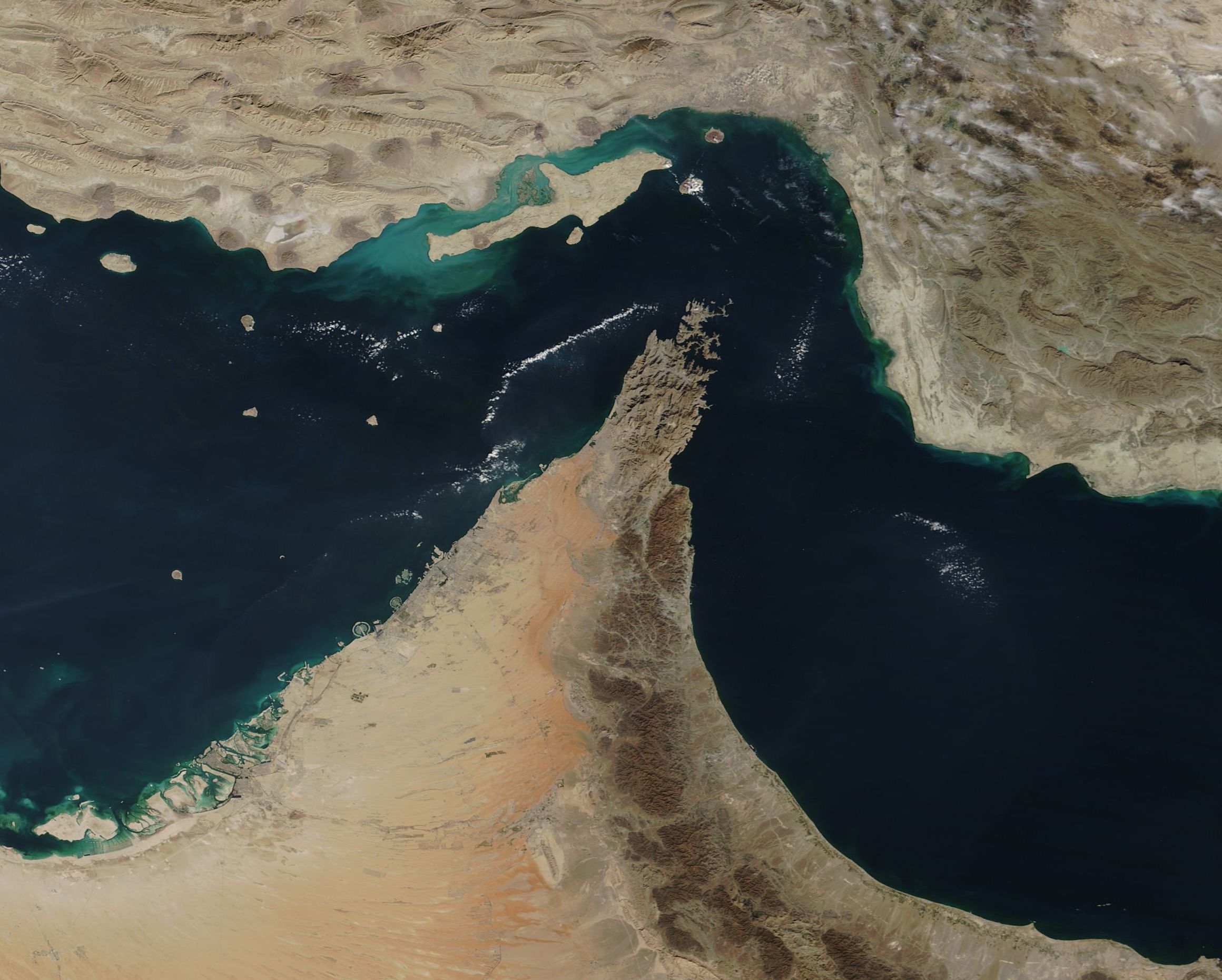
- Strait of Hormuz backlog floods market
- July 4 travel costs hit record highs
- Iran war tensions linger despite price drop
Global oil markets have officially reset to their pre-conflict baseline, but American drivers are seeing none of the relief at the pump.
Brent crude, the international benchmark, is hovering between $72 and $73 a barrel, while U.S. benchmark West Texas Intermediate crude is trading at roughly $69 per barrel.
These figures match the pricing landscape from before the Iran war escalated four months ago, yet the national average for a gallon of gasoline remains stuck at an elevated $3.90.
This sharp disconnect between the falling cost of raw crude and the sticky price of refined fuel is frustrating consumers and puzzling market observers alike.
The situation stems from a complex mix of logistical bottlenecks, retailer pricing strategies, and the lingering psychological impact of the conflict on global trade.
Oil prices can crash rapidly, but the downstream effects take weeks to trickle down to the local gas station.
- Brent crude trading at $72-$73 per barrel.
- U.S. gasoline average holding at $3.90 per gallon.
- WTI crude returned to $69, near prewar levels.
The market is currently absorbing a massive influx of supply, but that surplus has not yet translated into cheaper commutes for the average worker.
Analysts note that while the headline price of oil looks normal, the actual flow of energy is still recovering from months of disruption.
The price drop reflects a future expectation of supply, while the pump price reflects the immediate reality of scarcity and expensive inventory.
Strait of Hormuz Reopening Floods Market With 4-Month Backlog
The primary driver behind the sudden collapse in crude prices is the physical reopening of the Strait of Hormuz.
For nearly four months, this critical chokepoint for global energy supply was effectively choked off, trapping millions of barrels of oil and preventing them from reaching refineries.
Following the recent memorandum of understanding between the U.S. and Iran to halt hostilities, the waterway has reopened, unleashing what industry insiders are calling a 'mini tsunami' of oil.
This sudden release of stranded inventory has flooded the market, shifting the dynamics from a supply deficit to a immediate glut.
Tankers that were idling for weeks are now discharging their cargoes, creating a temporary surplus that has forced traders to sell contracts at lower prices.
However, this physical abundance takes time to process.
The crude must move from the strait to refineries, where it must be refined into gasoline, diesel, and jet fuel before it can be trucked to retail stations.
- Millions of barrels stranded in Hormuz released.
- Market shift from deficit to immediate supply glut.
- Reopening follows U.S.-Iran memorandum of understanding.
This lag is a fundamental reality of the energy supply chain.
Sources confirmed that the volume of oil currently moving through the strait is the highest seen in over a year, but this surge is just now reaching port facilities.
The price drop of $10 to $15 a barrel from the April peak reflects the market pricing in this future abundance, even though the actual gasoline produced from that cheaper oil has not hit the market yet.
The 'mini tsunami' is a welcome development for the global economy, but its waves will take time to wash ashore at the local gas station.
Gas Station Owners Slow to Pass on Savings to Drivers
While the raw material cost has plummeted, the retail sector is in no rush to lower prices.
Independent gas station owners, who operate on razor-thin margins, are often the last link in the chain to see cost reductions.
These retailers purchase their fuel based on replacement costs, but they often sell inventory that was bought weeks ago when oil prices were significantly higher.
Industry experts explained that station owners are currently working through expensive inventory purchased during the height of the conflict when Texas oil prices hit an eye-popping $113 in April.
If they lower prices immediately to match the current drop in crude futures, they would sell that expensive inventory at a loss, potentially bankrupting their businesses.
Consequently, prices at the pump fall much slower than they rise, a phenomenon often described as the 'rocket and feather' effect.
- Texas oil prices peaked at $113 in April.
- Retailers selling high-cost inventory bought months ago.
- Station margins squeezed by rapid oil price drop.
Owners are hesitant to drop the street price until they refill their underground tanks with cheaper wholesale fuel.
This creates a natural lag of two to four weeks between a drop in crude prices and a corresponding drop at the pump.
In some cases, station owners use this period to recoup losses suffered when wholesale prices spiked but they were unable to pass the full increase to competitive consumers.
Experts pointed out that this is not necessarily price gouging, but a defensive financial strategy employed by small business owners to survive extreme volatility.
Until the cheaper crude currently flowing through the Strait of Hormuz is refined and delivered to underground tanks, the sign outside will not change.
July 4 Travelers Face Record Highs Despite Market Dip
The timing of this price drop could not be worse for American consumers planning their Independence Day travel.
The July 4 holiday is typically one of the heaviest driving periods of the year, and demand for fuel is spiking just as the supply chain is resetting.
Officials said prices at the pump will approach record highs next week for the holiday, second only to the historic peaks seen in 2022.
In Houston, a major hub for the energy industry, average fuel prices are sitting at roughly $3.43 per gallon, significantly higher than the historical average for this time of year.
This price stickiness is compounded by the seasonal switch to summer-blend gasoline, which is more expensive to produce.
Refineries are running at maximum capacity to meet this surge in demand, limiting their ability to pass on cost savings from cheaper crude.
- Pump prices near record highs for July 4 holiday.
- Houston average fuel price at $3.43 per gallon.
- Summer-blend gasoline increases production costs.
Data from the fuel-price tracking service GasBuddy indicates that the national average could creep closer to $4.00 a gallon as the holiday weekend approaches.
This creates a painful paradox for drivers: they see headlines about oil prices crashing to $69, yet they are paying more at the pump than they have in months.
The frustration is palpable among consumers who expected the end of the Iran war to bring immediate relief.
However, market analysts stressed that demand destruction is the only thing that typically forces rapid price drops at the retail level, and demand is currently robust.
The holiday travel surge is effectively buffering the retail market from the crash happening in the futures market.
Ship Attacks and Fragile Truce Keep Markets on Edge
Despite the return to prewar pricing levels, the geopolitical situation remains dangerously volatile.
The recent memorandum of understanding to end the war has not completely halted hostilities in the region.
Earlier this week, Iran fired on a ship it argued was not following the proper route through the newly reopened waterway, an effort to assert its continued authority over the Strait.
The Trump administration responded with military action Friday night, firing on Iranian positions.
This exchange of fire serves as a stark reminder that the peace deal is fragile and that the risk premium associated with Middle Eastern oil has not completely evaporated.
Traders are aware that the current $69 price for WTI crude rests on the assumption of peace, and any renewed conflict could send prices spiraling back toward $100 overnight.
- Iran fired on a ship for route violation this week.
- U.S. military responded Friday night with strikes.
- Peace deal remains fragile following military exchange.
Sources confirmed that the market is still pricing in a significant risk premium, meaning oil would likely be even cheaper if the region were truly stable.
This lingering fear prevents retailers from getting too aggressive in lowering prices, as they fear a sudden rebound in wholesale costs.
The 'mini tsunami' of oil is dependent on the free flow of shipping through the strait, and any disruption to that flow would instantly reverse the current supply glut.
Analysts noted that the recent skirmish has rattled markets enough to prevent a deeper slide in prices, ensuring that the relief for consumers, when it comes, will be gradual rather than sudden.
The path to $2 gasoline is blocked not by physics, but by the persistent threat of war.
Why Airfare and Shipping Costs Will Stay High
The impact of expensive gasoline is rippling through the broader economy, affecting sectors far beyond the commuter's gas tank.
Airlines and shipping companies are also warning that consumers should not expect pre-war prices for airfare or freight anytime soon.
Jet fuel and diesel follow similar pricing dynamics to gasoline, meaning they are currently reacting to the high costs of crude from April and May, not the lower costs of June.
Airlines hedge their fuel purchases months in advance, locking in prices to protect against volatility.
This means the cheap oil available today will not show up in ticket prices until the fall or winter, if at all.
Logistics companies are facing similar constraints, with trucking rates remaining elevated due to the high cost of diesel.
These elevated transportation costs are feeding into the price of goods on supermarket shelves, keeping overall inflation sticky.
- Airlines hedged fuel at higher rates months ago.
- Shipping rates remain elevated due to diesel costs.
- Inflation pressure persists across consumer goods.
Experts said that while the drop in oil prices is welcome news for the Federal Reserve, it will take time to translate into lower inflation numbers.
The 'lag effect' in energy economics means that the benefits of the current peace deal will be slow to materialize in the daily costs of living.
Analysts predict that airfare for the summer travel season is already set, and consumers should brace for high ticket prices regardless of what happens in the oil markets.
The disconnect between the spot price of crude and the contract price of fuel creates a buffer that protects corporations from volatility but prevents immediate relief for consumers.
As the midterms draw near, the political pressure on these industries to lower prices will likely intensify, but the economic reality of supply chain lags will limit their ability to comply.
Forecast: When Will Drivers Finally See Relief?
The question on every driver's mind is when the $69 barrel of oil will finally result in a $3 gallon of gas.
Market analysts project that the full impact of the Strait of Hormuz reopening and the subsequent drop in crude prices will begin to reflected at the pump in mid-to-late July.
As the expensive inventory purchased during the April panic is finally burned through, it will be replaced by refined products made from the cheaper crude currently flooding the market.
Officials said that if the Strait remains open and hostilities do not escalate, the national average could drop by 20 to 30 cents per gallon by August.
However, this relief is contingent on the hurricane season remaining quiet and the fragile truce in the Middle East holding.
Any disruption to refining capacity on the U.S. Gulf Coast or a renewed military engagement in the Persian Gulf could erase these projected savings instantly.
- Relief expected by mid-to-late July.
- Prices could drop 20-30 cents by August.
- Forecast depends on hurricane season and truce stability.
Sources in the energy sector cautioned that the 'new normal' for gasoline prices may be higher than the prewar baseline due to increased refining costs and stricter environmental regulations.
While the return to $69 oil is a significant correction from the $113 peak, it does not guarantee a return to the cheap gas era of the past.
Drivers are advised to budget for elevated fuel costs through the summer, with the only certainty being that the market will remain volatile.
The 'mini tsunami' of supply will eventually lower prices, but the waves will take time to reach the shore, and the weather remains unpredictable.