Musk Claims SpaceX Value Could Surpass Global Economy
- Elon Musk claims SpaceX value could exceed Earth's total economy
- Company valuation hinges on future extraterrestrial business
- Internet reacts with skepticism and curiosity to alien commerce claims
- SpaceX continues to dominate the commercial launch market
- Global economy currently totals approximately $105 trillion
SpaceX Chief Executive Officer Elon Musk claims his aerospace company could one day reach a valuation that dwarfs the entire global economy. Musk suggests that the future of the company lies in expanding operations beyond Earth, potentially through what he calls "doing business with aliens." This bold projection places the company's long-term potential at "orders of magnitude" more than the current planetary output.
The global gross domestic product currently sits at approximately $105 trillion, according to recent International Monetary Fund estimates. By suggesting that SpaceX could surpass this figure, Musk is betting on a future where humanity becomes a multi-planetary species. The claim, reported by Primetimer.com on Saturday, October 10, 2026, has sparked intense debate across social media and financial forums.
Investors and industry analysts now grapple with how to quantify a business model that relies on hypothetical interstellar trade. While SpaceX currently leads the private space sector in launch frequency and satellite deployment, the leap to extraterrestrial commerce remains purely speculative. The company continues to refine its Starship launch system, which remains the backbone of Musk's vision for Mars colonization.
Despite the speculative nature of the statement, the market sentiment toward SpaceX remains bullish. Private investors continue to pour capital into the firm, valuing it as a cornerstone of the burgeoning space economy. The challenge for shareholders involves separating the CEO's long-term vision from the immediate financial realities of rocket manufacturing and satellite internet services.
The Economics of Interstellar Commerce
Economists struggle to find a framework for valuing trade that does not yet exist. Musk's suggestion of "doing business with aliens" implies the discovery or contact with extraterrestrial civilizations capable of economic exchange. Such a scenario would fundamentally alter every metric used to measure corporate value today.
If SpaceX secures the infrastructure for deep space transit, it could theoretically control the logistics of an entirely new market. This would mirror the role of historical trading companies, such as the Dutch East India Company, which facilitated global trade during the 17th century. However, the scale of space operations presents unique logistical hurdles that current technology cannot yet overcome.
The cost per kilogram to reach orbit has dropped significantly over the last decade, largely due to SpaceX's reusable rocket technology. According to company data, the Falcon 9 launch costs have fallen to roughly $2,700 per kilogram, down from historical averages exceeding $10,000. This efficiency gain provides the foundation for the company's growth, yet it remains far from the requirements of interstellar commerce.
Financial analysts point out that the company's valuation currently relies on Starlink, its satellite internet division. Starlink generates consistent revenue by providing high-speed internet to remote areas globally. This revenue stream allows SpaceX to fund its more ambitious projects, including the Starship development program. The gap between current satellite revenue and the theoretical value of alien trade remains massive.
Internet Reaction to Extraterrestrial Ambitions
Social media platforms erupted in reaction to Musk's comments on Saturday. Primetimer.com highlighted the wide range of responses, which varied from excitement over the technological prospects to mockery of the billionaire's grandiosity. The internet, acting as a massive focus group, appears divided on whether these claims represent a visionary roadmap or a distraction from current corporate challenges.
Many users pointed to the inherent absurdity of planning a business strategy around hypothetical alien contact. Others defended the statement as a necessary exercise in long-term thinking for a company focused on Mars. The discourse reflects a broader cultural fascination with the space industry and the outsized influence of tech leaders on the public imagination.
The reaction also underscores the pressure on SpaceX to maintain its rapid pace of innovation. With every successful launch, the public expectation for the company grows. Musk's comments, while seemingly detached from reality, serve to keep the company's mission at the forefront of the global conversation. This ability to command attention is a key asset for SpaceX, helping it attract top-tier engineering talent and maintain high investor confidence.
The dialogue on platforms like X and Reddit shows that the public views SpaceX more as a movement than a traditional company. This brand loyalty is rare in the aerospace sector, where firms typically operate with more caution and less public scrutiny. Musk's willingness to discuss the unconventional helps solidify this unique position.
Infrastructure and the Mars Timeline
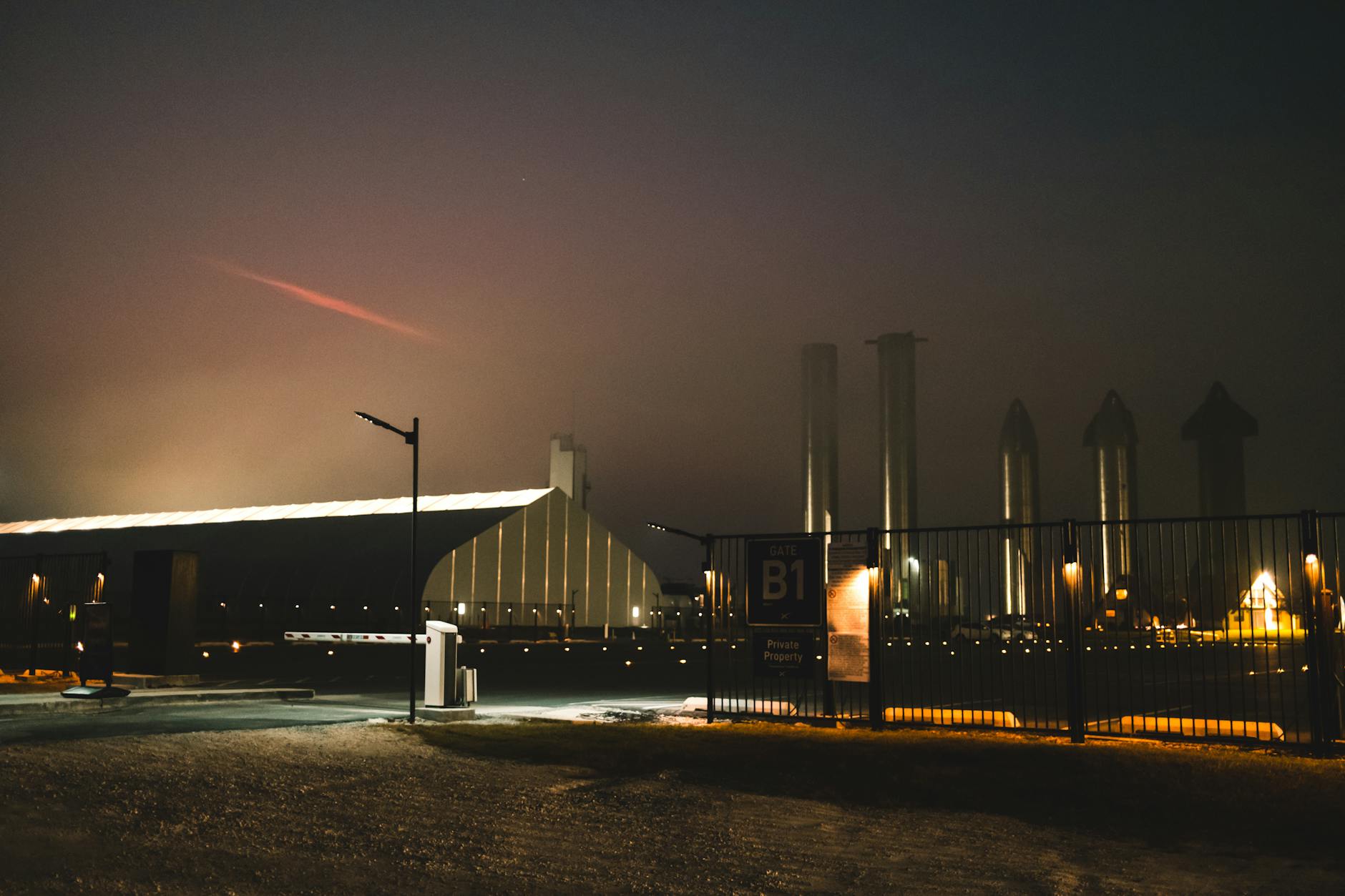
The path to the valuation Musk envisions requires a permanent human presence on Mars. SpaceX is currently testing the Starship vehicle, designed to carry heavy payloads and humans to the red planet. The company has conducted several test flights from its facility in Boca Chica, Texas, demonstrating the potential for full reusability.
The timeline for Mars colonization remains fluid. While Musk has often provided aggressive estimates for human landings, the technical reality of life support, radiation protection, and fuel production on Mars remains the primary focus. SpaceX engineers work around the clock to solve these problems, with each test flight providing critical data on atmospheric entry and landing precision.
The commercial viability of Mars rests on the ability to extract resources, such as water and fuel, from the planet's surface. If SpaceX can establish a supply chain capable of sustaining a colony, the company would effectively become the primary logistics provider for a new world. This would be the first step toward the kind of economic scale Musk describes.
Investors monitor these developments with keen interest. A successful mission to Mars would prove the company's capability to operate in extreme environments, further justifying its high valuation. Conversely, repeated setbacks in the Starship program could temper investor enthusiasm. The company must balance its long-term goals with the need to prove profitability in the near term.
Financial Implications of a Multi-Planetary Future
The financial sector views SpaceX as a unique asset class. Unlike traditional aerospace companies, SpaceX is not publicly traded, which protects it from the quarterly pressures faced by firms like Boeing or Lockheed Martin. This structure allows the company to pursue long-term research and development that might otherwise be rejected by public shareholders.
The valuation of SpaceX has climbed steadily over the last five years, driven by its dominance in the launch market and the expansion of Starlink. Institutional investors, including venture capital firms and sovereign wealth funds, view the company as a gateway to the space economy. The total addressable market for space-based services is projected to reach $1 trillion by 2040, according to various industry reports.
Musk's claim that the company could be worth "orders of magnitude more" than the current Earth economy suggests he expects the space economy to eventually dwarf all terrestrial industries. This vision assumes that humanity will tap into the resources of the solar system, including mining asteroids for rare metals and energy production. Such a shift would require a total transformation of global financial systems.
The risk for investors lies in the extreme uncertainty of these long-term projections. While the current business is robust, the future value is built on a foundation of technological breakthroughs that are not guaranteed. The market must decide how much of a premium to place on Musk's vision versus the company's current operational performance.
The Reality of Valuing Future Space Ventures
Valuing a company based on extraterrestrial trade remains an exercise in imagination. Musk's rhetoric serves to push the boundaries of what is considered possible, forcing markets to consider the long-term potential of humanity as a spacefaring civilization. Whether or not these specific claims materialize, they have successfully focused global attention on the importance of space infrastructure.
The reality for SpaceX today involves managing the complexities of rocket launches, satellite manufacturing, and government contracts. The company's success in these areas has already changed the aerospace industry, forcing competitors to accelerate their own efforts in reusability and launch efficiency. This competition is the real engine driving the growth of the space economy.
Looking ahead, the next decade will be critical for SpaceX. The success of the Starship program, the maturation of the Starlink network, and the potential for deep-space missions will define the company's trajectory. Investors and the public will continue to watch, waiting to see if the company can bridge the gap between today's aerospace reality and the interplanetary future Musk envisions.
Ultimately, the value of SpaceX will be determined by its ability to deliver on its promises. Musk's bold statements provide the vision, but the engineers and the market data will provide the proof. As the company continues to push the limits of technology, the world watches to see just how far the reach of a private enterprise can extend.
Frequently Asked Questions
Add NewsPulse Time as a preferred source on Google