Mercy Medical Center Deploys Mako Robotics for Shoulder Surgery
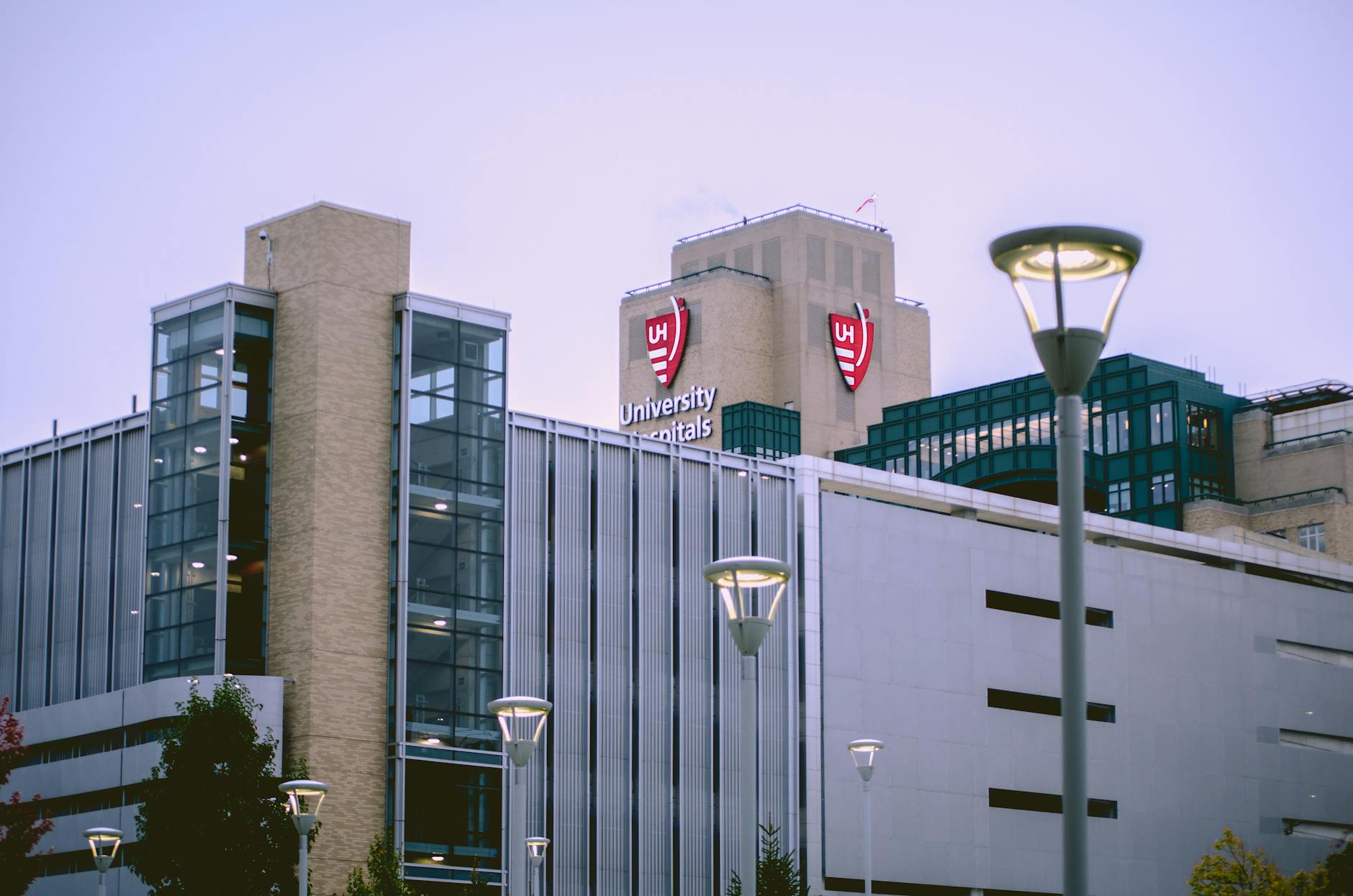
- Mercy Medical Center integrates Mako SmartRobotics for shoulder replacement surgery.
- This represents the first such deployment in the Mid-Atlantic region as of September 2026.
- The system uses 3D CT-based planning to increase accuracy in component placement.
- Robotic assistance aims to reduce post-operative recovery times for patients.
- Stryker's Mako platform expands from hip and knee to complex shoulder procedures.
On Monday, 14 September 2026, Mercy Medical Center in Baltimore confirmed the adoption of Mako SmartRobotics™ technology for shoulder replacement surgeries. This development establishes the facility as a regional pioneer, marking one of the first instances of this specific robotic platform being utilised for shoulder arthroplasty within the Mid-Atlantic region. The introduction of this technology represents a significant shift in how surgeons approach complex joint repairs, moving away from manual alignment toward data-driven, robotic-assisted precision. Hospital officials stated that the integration of the system is designed to provide surgeons with a higher degree of accuracy during the intraoperative phase of shoulder replacement. The Mako system, developed by Stryker, has already seen widespread use in hip and knee replacements, but its application in the shoulder joint introduces new complexities regarding soft tissue management and range of motion. By incorporating this platform, Mercy Medical Center aims to reduce the variability often associated with manual surgical techniques. According to official data, this move aligns with a broader trend across high-level medical centres in both the United States and Europe, where robotic-assisted surgery is increasingly viewed as a standard for high-acuity orthopaedic procedures. The decision to adopt this technology follows months of staff training and system validation, ensuring that the robotic arm functions in tandem with the surgeon's expertise rather than replacing it. Clinicians at the hospital noted that the primary goal is to achieve better long-term patient satisfaction through more accurate component positioning.
Precision Engineering Meets Orthopaedic Surgical Practice
The technical core of the Mako SmartRobotics™ system involves a pre-operative planning process that utilises 3D CT scans to create a patient-specific anatomical model. Surgeons use this data to map out the exact placement of the glenoid and humeral components before the first incision is made. During the procedure, the robotic arm provides real-time feedback, ensuring the actual bone preparation matches the pre-operative plan within a sub-millimetre margin. This level of precision is critical in shoulder surgery, where the anatomy of the glenoid—the socket part of the shoulder joint—is notoriously difficult to assess manually. Traditional surgical methods often rely on two-dimensional X-rays, which can sometimes lead to suboptimal component alignment, potentially causing long-term issues like loosening or instability. By contrast, the robotic system allows for dynamic adjustments during the surgery, accounting for the unique physiological characteristics of each patient. Medical experts pointed out that the robotic arm acts as a 'haptic boundary,' preventing the surgeon from straying outside the predetermined safe zone. This physical feedback loop is a key feature that separates Mako from older, non-robotic surgical navigation tools. For patients, this potentially translates to a more stable shoulder joint and a reduced risk of revision surgery in the years following the initial procedure. Studies have shown that even a minor improvement in component alignment can lead to significant differences in patient-reported outcomes over a five-to-ten-year period. The technology also enables a more minimally invasive approach, as the robotic guidance allows for smaller incisions while maintaining internal accuracy. This is a significant factor in reducing post-operative pain and accelerating the rehabilitation process.
Regional Healthcare Competition and the Mako Advantage
The adoption of this technology places Mercy Medical Center in a competitive position within the Mid-Atlantic healthcare market. As hospital systems in cities like Philadelphia, Washington D.C., and Baltimore vie for patient volume, the availability of advanced robotic surgery serves as a key differentiator. Industry analysts noted that patients are increasingly researching hospital capabilities online before choosing where to undergo elective procedures. By investing in the Mako platform, Mercy Medical Center is signalling its commitment to high-tech, evidence-based care. This strategy mirrors similar investments seen in major European healthcare hubs, where large university hospitals have been rapid adopters of robotic systems to attract both patients and top-tier surgical talent. The cost of such technology is substantial, involving both the initial capital expenditure for the robotic hardware and the ongoing costs of disposable instruments and software licensing. However, hospital administrators often argue that these costs are offset by lower complication rates and shorter hospital stays. Industry reports indicate that hospitals with advanced robotic programmes experience a 12% to 15% reduction in readmission rates for joint replacement patients. This efficiency is vital in a healthcare environment where reimbursement models are increasingly tied to patient outcomes rather than the volume of procedures performed. The competition is not just about the machines themselves, but about the data they generate. Over time, the cumulative data from these robotic procedures will allow surgeons to refine their techniques, creating a feedback loop that continues to improve surgical performance. The adoption of Mako at Mercy Medical Center is expected to draw interest from patients throughout Maryland and the surrounding states who are seeking the latest advancements in orthopaedic care.
Managing Complex Shoulder Arthroplasty with Robotic Guidance
Shoulder replacement surgery is significantly different from knee or hip replacement due to the extreme mobility and complexity of the shoulder joint. The shoulder must support a wide range of motion while maintaining stability, making the positioning of the prosthetic components an exacting science. Surgeons using the Mako system at Mercy Medical Center will focus on restoring the natural biomechanics of the shoulder, which is often compromised by severe osteoarthritis or previous injuries. The robotic platform assists in balancing the soft tissues, which is a major factor in patient comfort after the surgery. If the soft tissues are not balanced correctly, the patient may experience limited range of motion or chronic pain, even if the bone components are placed accurately. By providing quantitative data on soft tissue tension, the robot helps the surgeon fine-tune the joint replacement to match the patient's pre-injury state as closely as possible. This is a departure from the 'feel-based' approach that has dominated shoulder surgery for decades. While seasoned surgeons have historically relied on their tactile intuition to balance joints, the introduction of robotic assistance provides a layer of objective verification. This is particularly beneficial for complex cases involving significant bone loss or deformities, where traditional landmarks are obscured. The surgical team at Mercy Medical Center has undergone rigorous certification to operate the Mako system, ensuring that they can manage the transition from manual to robotic-assisted workflows effectively. The learning curve for such technology is steep, but the potential for reducing surgical error is significant. Experts in the field believe that robotic-assisted shoulder surgery will become the standard of care within the next five years, driven by patient demand and the long-term benefits of improved joint stability.
The Evolution of Robotic Surgery in Modern Medicine
The implementation of Mako SmartRobotics™ at Mercy Medical Center is part of a larger, global shift toward the digitisation of surgery. Over the past two decades, robotic surgery has evolved from a niche experimental field to a core component of hospital infrastructure. Early systems, such as the Da Vinci surgical system, focused primarily on soft tissue procedures like prostatectomies and hysterectomies. However, the last ten years have seen an explosion in the use of robotics for orthopaedics, where precision in bone cutting and component placement is paramount. This evolution is being mirrored in Europe, where national health services are increasingly integrating robotic platforms into their capital expenditure budgets to address long waiting lists for joint replacements. The ability to perform procedures with higher precision means that patients are back on their feet sooner, which is a critical metric for public health systems under pressure. The Mako platform represents the current pinnacle of this technology, blending preoperative 3D planning with real-time robotic assistance. Looking forward, the integration of artificial intelligence and machine learning is the next logical step. Future iterations of these systems could theoretically analyse thousands of previous surgeries to recommend the optimal placement for a specific patient's anatomy, further reducing the margin for human error. As Mercy Medical Center begins its journey with this technology, the focus will remain on patient safety and the refinement of surgical protocols. The success of this programme will be measured not just by the number of surgeries performed, but by the long-term health of the patients who receive them. With the first procedures already scheduled for later this month, the hospital is poised to set a new benchmark for orthopaedic care in the region.