Lymphatic Walking Key to Immunity, Report Finds
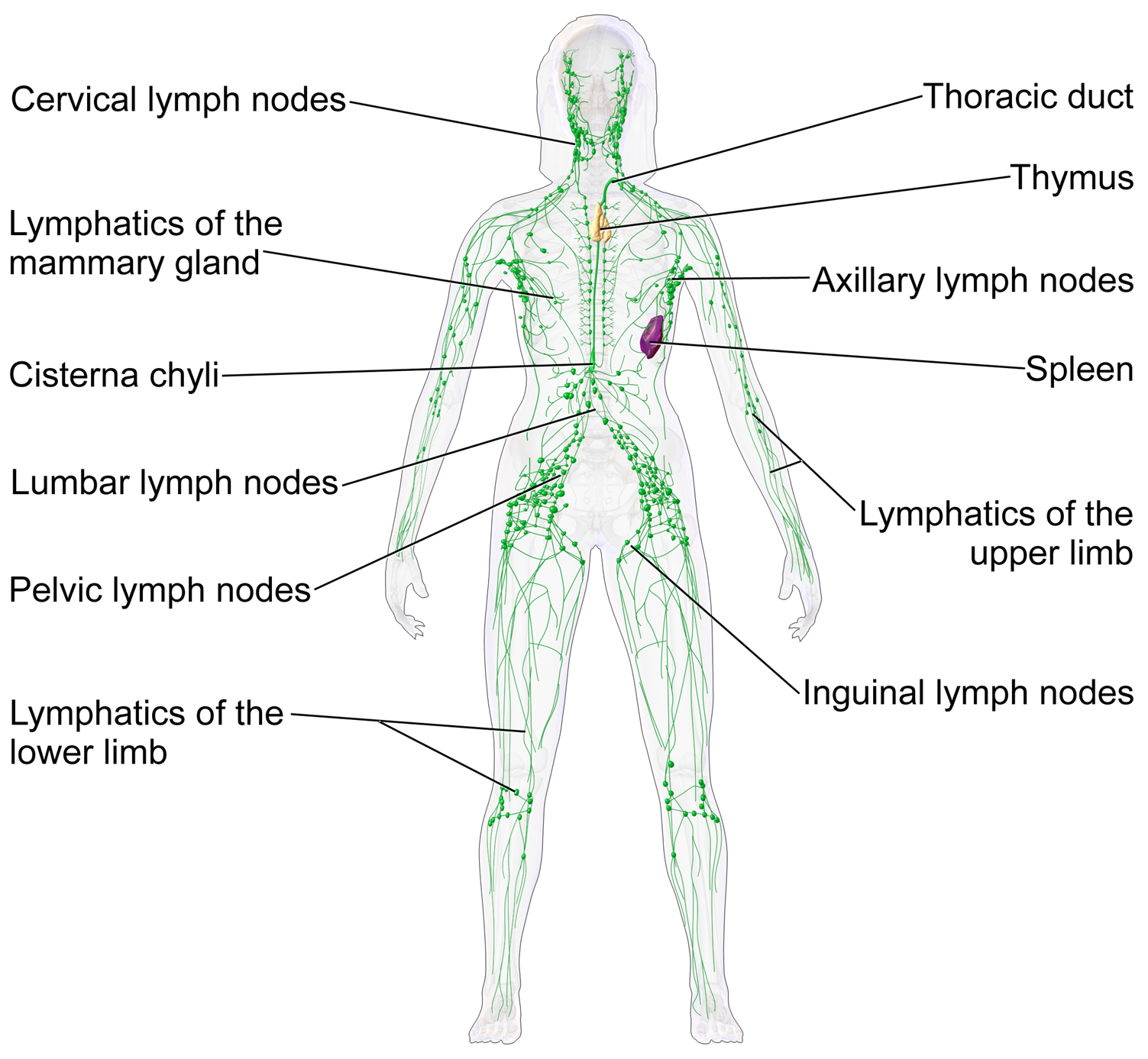
- Movement essential for lymphatic flow, experts say
- Lymphatic walking reduces swelling and boosts immunity
- Report highlights risks of sedentary lifestyle
- Deep breathing critical to lymph drainage process
- 20-minute daily walk recommended for adults
Your body relies on a hidden, complex network to stay healthy, and according to a groundbreaking report released on Monday, July 27, 2026, this network depends entirely on you moving. The analysis, detailed by The Times of India, highlights the critical role of the lymphatic system, emphasizing that this crucial waste removal mechanism fails entirely without physical activity. Unlike the cardiovascular system, which utilizes the heart—a powerful, centralized pump—to circulate blood, the lymphatic system has no such internal motor. It relies solely on the rhythmic contraction of skeletal muscles and the mechanics of deep breathing to push lymph fluid through the vast network of vessels and nodes throughout the body.
The findings arrive as health experts continue to sound the alarm regarding the dangers of increasingly sedentary lifestyles, linking prolonged inactivity to a host of ailments ranging from swollen limbs and fluid retention to significantly weakened immune responses. While recent public health advisories have focused on external risks, such as unexpected Cyclospora outbreaks in kitchen herbs or food safety protocols, this new analysis turns the focus inward to how individuals manage their internal biology. The message from the medical community is direct and urgent: if you do not move, your lymph fluid stagnates.
Doctors and physiologists are now pointing to "lymphatic walking"—a specific, intentional style of walking—as a simple, effective solution to this modern physiological problem. The report suggests that optimizing this internal flow can significantly improve long-term health outcomes. It serves as a call to action that aligns with broader themes of self-care and preservation seen in other daily health advisories, such as the recent focus on family support systems and maintaining personal boundaries. Health officials emphasized that understanding this system fundamentally changes how society views exercise. It is no longer just about burning calories or building muscle mass; it is about keeping the body's essential plumbing clear.
The Anatomy of Stagnation: How the Lymphatic System Functions
To understand why lymphatic walking is so vital, one must first understand the mechanics of the lymphatic system itself. Often described as the body's "sewer system," it is responsible for filtering out toxins, metabolic waste, proteins, and unwanted materials from the tissues. It also plays a pivotal role in the immune system, transporting white blood cells and antigens to lymph nodes where immune responses are initiated. When this system slows down or stagnates, the body essentially begins to drown in its own waste.
This stagnation manifests physically as puffiness or edema, particularly in the extremities, but the systemic consequences are far more severe. A sluggish lymphatic system can lead to chronic inflammation, persistent brain fog, fatigue, and a markedly higher susceptibility to viral and bacterial infections. The report draws a stark comparison between the lymphatic and cardiovascular systems to illustrate the vulnerability of the former. Blood is pushed through arteries with the force of the heartbeat; lymph, however, moves against gravity and relies on the "peristaltic" action of muscles to squeeze fluid through one-way valves.
When a person leads a sedentary life—sitting at a desk for eight hours or lounging on a couch for extended periods—these muscle pumps remain inactive. The lymph fluid, thick with waste products, pools in the lower limbs and ceases to circulate effectively to the nodes where filtration occurs. Experts noted that the rise in lymphatic-related health issues correlates directly with the rise of chair-bound occupations and the decline of ambulatory movement in daily life. The report warns that this biological bottleneck is a silent contributor to many modern chronic conditions that are often misdiagnosed or treated symptomatically rather than addressed through movement.
Lymphatic Walking vs. Traditional Exercise: A Comparative Analysis
While all forms of exercise promote lymph flow to some degree, the report distinguishes "lymphatic walking" from standard cardio or power walking. Traditional high-intensity cardio, while excellent for heart health, can sometimes produce lactic acid and metabolic waste faster than the lymphatic system can clear it if the system is already compromised. Furthermore, intense exertion without proper breathing mechanics can actually restrict lymph flow due to muscle tension.
Lymphatic walking is characterized by a specific cadence and form designed to maximize the activation of the calf and thigh pumps—the primary drivers of lymph in the legs. Unlike a power walk, which focuses on speed and heart rate elevation, lymphatic walking focuses on range of motion and rhythm. It often involves a slight rolling motion of the foot from heel to toe to fully engage the calf muscles (the soleus and gastrocnemius), which acts as the "second heart."
Comparatively, activities like swimming or rebounding (jumping on a trampoline) are also known for lymphatic benefits, but walking remains the most accessible and sustainable option for the general population. It requires no gym membership, no pool access, and no expensive equipment. The report emphasizes that the solution to lymphatic stagnation is surprisingly low-tech; it simply requires consistent, deliberate movement. This accessibility makes it a critical public health intervention, particularly for aging populations or those recovering from illness who may not be able to engage in high-impact sports.
The Respiratory Connection: Breathing as a Pump
A key addition to the report's findings is the emphasis on the thoracic duct and the role of respiration in lymphatic drainage. While the leg muscles pump fluid from the lower body, the deep breathing acts as a pump for the lymphatic fluid located in the torso and chest. The diaphragm, a large muscle at the base of the lungs, creates a pressure differential when it contracts during inhalation.
When you breathe deeply, the pressure in the abdominal cavity drops, pulling lymph fluid upward from the legs and abdomen into the thoracic duct—the largest lymph vessel in the body. Upon exhalation, the pressure increases, forcing the fluid into the venous system near the heart to be cleansed. Consequently, shallow breathing—a common habit associated with stress and sedentary screen work—severely hampers this upper-body lymphatic circulation.
The report suggests that effective lymphatic walking must be coupled with conscious, diaphragmatic breathing. This combination ensures a full-body circulation of lymph, from the toes to the neck. This dual-action approach explains why practices like yoga and Pilates, which coordinate breath with movement, are often praised for their detoxifying effects. However, for those unable to participate in such classes, a brisk walk with deep, rhythmic breathing provides a similar physiological benefit, clearing the mental fog often associated with toxic buildup in the cerebrospinal fluid.
Implementation: A Guide to the Lymphatic Walking Protocol
To translate these findings into actionable advice, the report outlines a preliminary protocol for lymphatic walking. The technique begins with posture: walkers are advised to stand tall, engaging their core to support the spine, which allows for deeper lung capacity. The walk should be initiated with a heel strike, rolling through the foot, and pushing off with the toes to fully engage the calf muscles.
The ideal pace is brisk but comfortable—fast enough to induce a gentle sweat and slightly elevated breathing, but not so fast that the walker is gasping for air or breathless. Arm swing is also crucial; as the legs pump the lower body, the swinging of the arms acts as a pump for the lymphatic ducts located in the axilla (armpits) and cervical (neck) regions.
The report recommends a duration of at least 20 to 30 minutes daily. Consistency is prioritized over intensity; a short, rhythmic walk every day is far superior to a single long, intense session once a week. Hydration is identified as a critical cofactor; without adequate water intake, the lymph fluid becomes viscous and sludge-like, making it difficult to move even with muscle contractions. Therefore, the protocol includes drinking water before and after the walk to ensure the fluid remains thin and transportable.
What Comes Next: Public Health Implications and Future Research
The implications of this report extend beyond individual health advice; they point to a necessary shift in workplace design and urban planning. If the lymphatic system is indeed the foundation of immunity and metabolic health, then the environments that force us to sit for prolonged periods are actively damaging our immune defenses. The report suggests that future health guidelines may need to prescribe "movement breaks