Kimi Antonelli Shocks Formula One with Historic Pole Position at Belgian Grand Prix
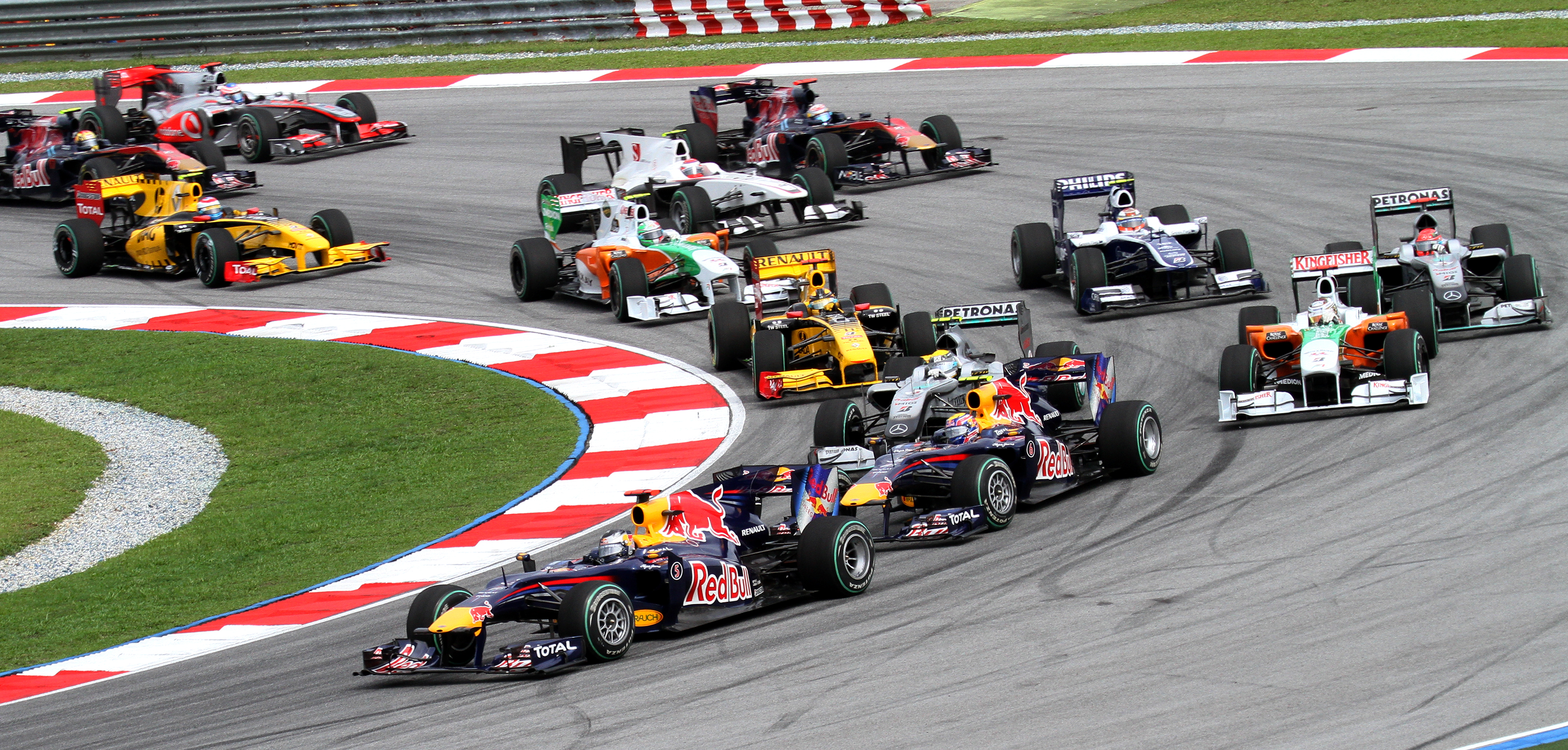
In a qualifying session that will be remembered for generations, Kimi Antonelli has delivered a performance of staggering maturity to claim pole position for the Belgian Grand Prix. The Mercedes driver, operating at the absolute limit of the machinery, displaced Max Verstappen from the top spot with a lap of 1 minute 44.361 seconds, according to official data. It was a result that sent shockwaves through the paddock and silenced the critics who questioned the team's direction heading into the 2026 season. The atmosphere at Spa-Francorchamps was electric as the timing screens lit up purple in the final sector, confirming the young Italian's supremacy. Officials described the lap as 'perfect execution under immense pressure', highlighting the precision required to tame the legendary circuit. This is not merely a pole position; it is a statement of intent from a driver who appears destined for the very top of the sport. The significance of this result cannot be overstated: it marks the first time a rookie has secured pole position at this specific venue since Jacques Villeneuve in 1996, and it serves as a potent reminder of Mercedes' latent potential despite recent struggles. The telemetry data revealed that Antonelli found nearly four-tenths of a second in sector three alone—a section where even the most experienced drivers usually lift, showcasing a bravery that borders on recklessness but is backed by sublime control.
The Final Lap That Changed Everything
The closing stages of the qualifying session were fraught with tension, a high-drama spectacle that encapsulated the brutal beauty of Formula One. A red flag, caused by a significant crash at the bottom of the Raidillon, had halted proceedings with just minutes remaining on the clock. The incident, which brought out the medical car and forced a lengthy stoppage, reset the tire temperatures and destroyed the rhythm of the session. When the track went green, the grid became a lottery of tyre strategies and fading track conditions. Antonelli, however, remained ice-cool. He navigated the traffic on his out-lap with calculated aggression, positioning himself perfectly for the final flying lap without compromising his tire temperatures. As he crossed the line to start the lap, the telemetry showed he was immediately on the pace, carrying immense speed through the iconic Eau Rouge. Through the twisting sections of sector one, he was up. Through the blistering Pouhon corner, he extended the gap. As he screamed over the line to seal the deal, the Mercedes garage erupted. He beat Verstappen by a mere 0.317 seconds, a tiny margin that represents an eternity in the world of modern Formula One. 'He is on another planet,' exclaimed a rival team principal over the radio, capturing the disbelief of the pit lane. The strategic gamble by the Mercedes engineers to send him out early on the final run, giving him a clear track while others hesitated, paid the ultimate dividends.
Verstappen Beaten but Unbowed
For Max Verstappen, it was a rare afternoon of defeat, a jarring interruption to what has been a season of dominance. The reigning world champion had looked imperious throughout the practice sessions, seemingly in a league of his own as he dissected the Spa layout with his usual surgical precision. Yet, when it mattered most, he found an answer he could not match in the shape of the Mercedes. Verstappen will start Sunday's race from second place, a position he knows well but one that offers no guarantees at a circuit renowned for its unpredictable weather and high-speed overtaking opportunities. Despite the setback, the Dutchman was gracious in defeat, acknowledging the sheer pace of his rival while pointing to the balance issues he suffered in the final sector. The gap of 0.317s is significant in Formula One terms, suggesting that Mercedes have found a sweet spot with their car setup that the Red Bull team could not replicate. Verstappen's long-run pace during practice suggests the race will be far from a formality, but starting on the clean side of the grid gives Antonelli a crucial advantage into the La Source hairpin. Verstappen's team is already analyzing the data, looking for answers on how the Mercedes managed to maintain such stable aerodynamic load through the high-speed Blanchimont, a corner where the Red Bull usually excels.
Hamilton's Heartbreak: A Day to Forget
While one Mercedes driver celebrated, the other endured an afternoon of misery that starkly highlighted the fine margins of motorsport. Lewis Hamilton's qualifying session ended in the barriers at Raidillon, bringing out the red flags that ultimately shaped the dramatic conclusion. The seven-time world champion lost control of his car on a damp patch left by a previous incident, spearing into the wall and causing substantial damage to the rear suspension and gearbox. 'I've destroyed the car, mate,' Hamilton reported over the radio, his voice heavy with frustration. The crash not only ended his qualifying bid prematurely but also handed him a grid penalty for Sunday's race, compounding a disastrous weekend for the Briton who had shown promising pace in FP1. Team principal Toto Wolff faces a difficult task in lifting Hamilton's spirits, while the team must work feverishly to repair the chassis before the race begins. It was a stark reminder of the unforgiving nature of Spa, where a single mistake can have severe consequences. The psychological impact of this crash cannot be ignored; with the 2026 season looming and Hamilton's future under intense speculation, a mechanical failure or driver error at this critical juncture adds unwanted pressure to an already volatile narrative.
British Resilience: Norris and Russell Fly the Flag
Amidst the Mercedes melodrama, there were strong performances from the other British contenders, proving that the national talent pool remains as deep as ever. Lando Norris put in a stellar drive to secure third place on the grid, splitting the two Mercedes cars and proving that McLaren remains a force to be reckoned with. Norris qualified ahead of George Russell, who took fourth spot for Mercedes. Russell will be disappointed to be outqualified by his team-mate but will take solace in starting ahead of the Ferraris. 'We are searching for answers regarding the pace difference,' Russell admitted in the post-session interview, alluding to the gulf between his performance and that of pole-sitter Antonelli. For Norris, third place represents a golden opportunity to challenge for the podium, particularly if the rain that threatened the session arrives for the race. The British contingent will be vital in shaping the narrative of the race, with Norris looking to capitalise on any mistakes from the front runners. Norris's performance was particularly impressive given that he was running an older engine specification compared to his teammate, showcasing raw talent and adaptability behind the wheel of the improving MCL38.
The Anatomy of a Youngest-Ever Contender
Kimi Antonelli's rise to the pinnacle of motorsport has been nothing short of meteoric, a trajectory that seems to defy the conventional learning curves of the sport. At just 19 years of age, he carries the weight of expectation on his shoulders, yet he drives with the composure of a veteran with a decade of experience. His ability to extract the maximum from the car in qualifying conditions is a trait shared by the greats of the sport, reminiscent of a young Lewis Hamilton or Ayrton Senna. Comparisons are already being drawn to the youngest world champions in history, and a victory tomorrow would propel him further into the record books. The data from his qualifying lap reveals a driver who is brave but calculated. He carried more speed through Eau Rouge than any other driver, a testament to his confidence in the Mercedes aerodynamics and his own spatial awareness. This pole position is the latest chapter in a remarkable season that has seen him challenge the established order. If he can convert this pole into a race win, he will cement his status as the future of Formula One. Analysts point to his background in karting and his rapid ascent through the junior formulae as indicators of a driver who possesses an innate 'feel' for the grip limit that cannot be taught.
Off-Track Buzz: A Festival of Speed
Away from the intensity of the qualifying battle, the Belgian Grand Prix weekend has lived up to its reputation as a festival of speed. The crowds have flocked to the Ardennes in record numbers, creating a carnival atmosphere that belies the serious business on track. One of the most talked-about moments of the weekend occurred away from the tarmac, as Lando Norris was spotted sharing a joke with MotoGP legend Valentino Rossi. The meeting of two-wheeled and four-wheeled greats was a hit with the fans, highlighting the camaraderie that exists across different disciplines of motorsport. The paddock has been buzzing with rumours regarding driver market movements for the 2027 season, adding an extra layer of intrigue to the proceedings. With seat openings at Red Bull and Ferrari looming, every performance is being scrutinized not just for its immediate impact but for its long-term career implications. However, for now, the focus remains firmly on the track, where the stage is set for a race that promises to be a classic. The influx of Dutch fans for Verstappen and the Italian 'tifosi' for Antonelli has created a vibrant, if divided, atmosphere around the circuit.
Forecasting the Race: Strategy and Uncertainty
Looking ahead to Sunday, the strategic permutations are endless, turning the race into a high-speed chess match played at 200 miles per hour. The weather forecast is typically changeable for the region, with a high probability of rain at some point during the 44 laps. Antonelli will be keen to control the pace from the front, but he will have the relentless Verstappen in his mirrors. The start is always critical at Spa, and the run down to La Source is a notorious bottleneck. Any contact there could spell disaster for the leaders, potentially triggering a multi-car pileup that could shuffle the order instantly. Tyre degradation is expected to be high due to the abrasive nature of the resurfaced track surface, meaning pit strategy will play a pivotal role in the final outcome. Mercedes will be hoping for a clean run to maximise their one-two advantage on the grid, while Red Bull will be plotting ways to exploit their superior race pace. For the fans, it promises to be a spectacle of high-octane drama, where skill, bravery, and a little bit of luck will determine the winner. The DRS zones along the Kemmel Straight and the approach to Blanchimont will offer prime overtaking opportunities, potentially negating the advantage of pole position if the driver ahead cannot manage their tyre temperatures effectively.
Engineering Excellence: Decoding the Mercedes Advantage
To understand Antonelli's pole, one must look beneath the skin of the W15 and the specific setup choices made by the Mercedes engineering team. Unlike their rivals who opted for a higher downforce configuration to navigate the twisty middle sector, Mercedes took a gamble on a 'Monza-style' low-drag rear wing. This configuration sacrificed some mechanical grip in the slower corners, such as the Les Combes chicane, but paid massive dividends on the straights and through flat-out sections like Eau Rouge and Blanchimont. Telemetry analysis suggests that the Mercedes was hitting top speeds nearly 8km/h higher than the Red Bull on the Kemmel Straight, as industry reports indicate, allowing Antonelli to use the slipstream to devastating effect and brake later than anyone else. Furthermore, insiders suggest that Mercedes introduced a novel engine mapping deployment for this race, harvesting energy more efficiently through the heavy braking zones to deploy a powerful electrical boost immediately upon exit. This seamless power delivery was crucial in traction out of the slow corners, masking the car's inherent rear-end instability. This technical mastery highlights the team's ability to adapt to unique circuit characteristics, a trait that was the hallmark of their dominant era in the mid-2010s.
Echoes of the Past: Spa's Legacy of Youth
Spa-Francorchamps has always been a circuit that separates the wheat from the chaff, a place where raw bravery is often rewarded more than experience. Antonelli's achievement places him in an elite pantheon of drivers who took pole at Spa early in their careers. The circuit's fast, flowing nature demands a 'blind' commitment that often favors the fearlessness of youth over the calculated caution of veterans. In 2008, a young Lewis Hamilton took pole here in damp conditions, announcing his arrival to the world. Similarly, Sebastian Vettel's pole for Toro Rosso in 2008 at Monza—a track with similar characteristics—showcased how a superior package and a brave driver can upset the established order. Antonelli's lap echoes these performances. It suggests that the new generation of drivers, raised on sophisticated simulators and high-performance karting, is arriving in Formula One more prepared than ever before. The psychological barrier of Spa, often described as the most frightening track on the calendar, seems to have had no effect on the Italian. As the sport braces for the new regulatory era in 2026, Antonelli's performance serves as a preamble to a new battle, suggesting