Iran Shuts Hormuz, Hits 5 Gulf States After US Strikes
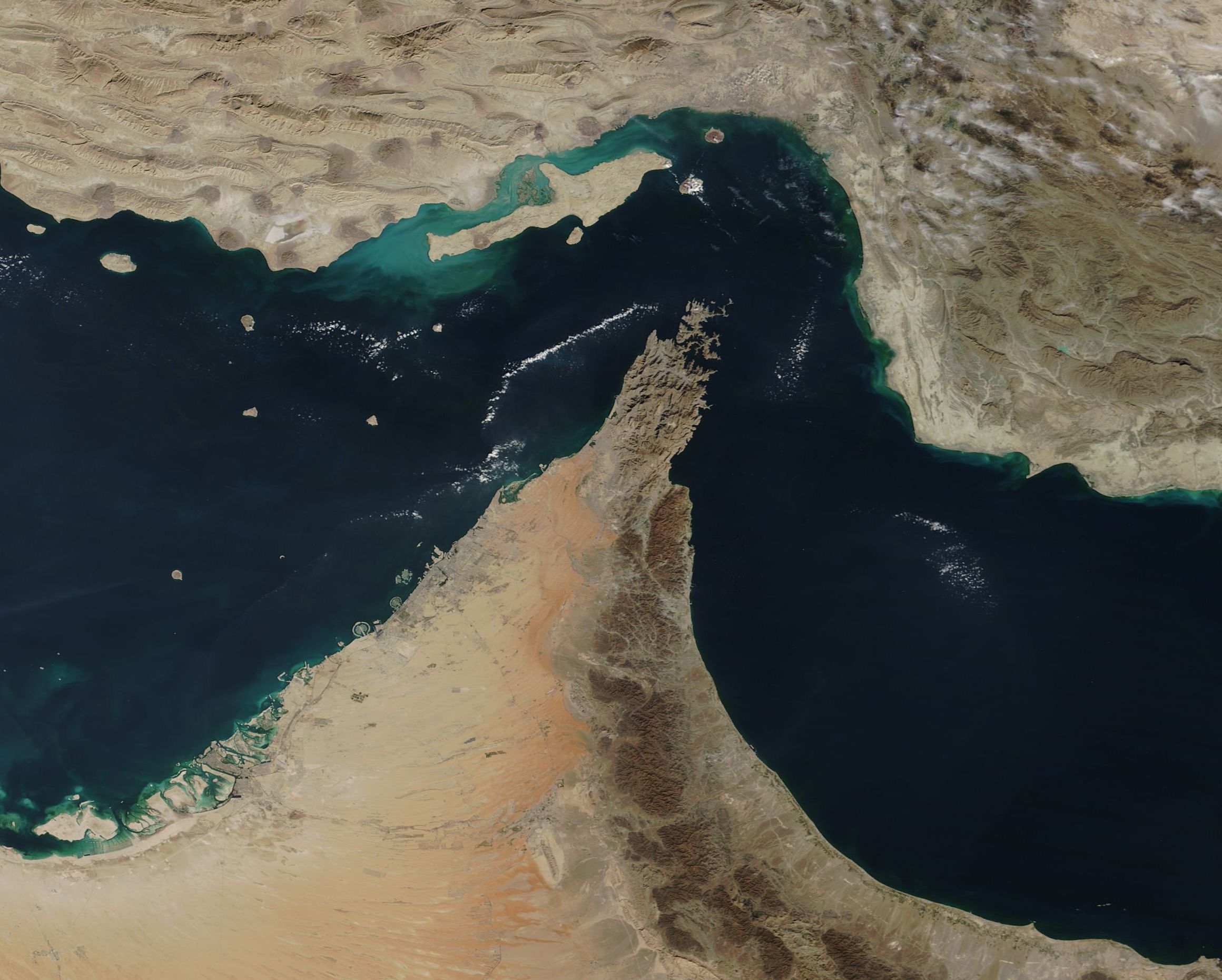
- US hits 140 Iranian targets in third round of strikes
- Iran declares Strait of Hormuz closed after warning shot
- Bahrain, Kuwait, Jordan, Qatar, and Oman report attacks
- Conflict escalates despite ceasefire signed last month
- 20% of global oil trade flows through the strait
Iran declared the Strait of Hormuz closed to commercial shipping on Monday and launched coordinated attacks against five Gulf states, marking a dangerous and unprecedented escalation in a conflict that has threatened to engulf the region for weeks. Tehran's Revolutionary Guard fired a warning shot at a container ship traversing the waterway before announcing the total shutdown of the critical chokepoint, a move that immediately sent shockwaves through global energy markets. This aggressive action followed a massive U.S. bombardment that targeted roughly 140 sites inside Iran, including missile launch pads, drone factories, and ammunition depots, signifying a drastic shift in Washington's strategy to degrade Iran's military capabilities. The United States military confirmed the strikes were a direct, forceful response to Iranian aggression against civilian mariners and regional stability, aiming to impose a heavy and undeniable cost on Tehran for its actions.
The situation has deteriorated rapidly since Sunday, with explosions reported in Bahrain, Kuwait, Jordan, Qatar, and Oman as Iran lashed out at its neighbors in a broad retaliatory campaign. The Strait of Hormuz serves as the gateway for nearly a fifth of the world's oil consumption, approximately 21 million barrels per day, and its closure creates an immediate and severe economic crisis for global energy markets, threatening to trigger a worldwide recession. Officials in Washington warned that the latest U.S. strikes were the third round in a single week, signaling a significant strategic pivot from limited reprisals to a sustained, more aggressive campaign designed to systematically dismantle Iran's ability to project power and threaten international shipping. Tehran has consistently framed its actions as a legitimate defense against American imperialism and what it perceives as an ongoing siege, but the targeting of fellow Gulf nations suggests a broader, more cynical attempt to destabilize the region, pressure Western allies, and potentially fracture the Gulf Cooperation Council.
The war, which began on February 28 following a series of maritime incidents, has seen cycles of retaliation, but this week represents the most intense violence since a Memorandum of Understanding (MOU) was signed just last month. That fragile agreement, intended to de-escalate tensions and re-establish channels for dialogue, now lies in tatters as both sides abandon diplomatic avenues for increasingly overt military solutions. The closure of the strait is not merely a symbolic gesture; it physically blocks the movement of crude oil from major producers like Saudi Arabia and Iraq, threatening to spike prices to unprecedented levels and disrupt supply chains worldwide, impacting everything from manufacturing to daily consumer goods. Shipping companies have already begun to reroute vessels around the Arabian Peninsula, adding weeks to delivery times and skyrocketing freight and insurance costs, exacerbating inflationary pressures. The U.S. Navy's Fifth Fleet, headquartered in nearby Bahrain, is now facing a direct and existential challenge to its mandate of ensuring freedom of navigation in these international waters. With tensions at a boiling point, the risk of a miscalculation leading to a direct, full-scale confrontation between U.S. and Iranian forces is higher than at any point in decades, potentially drawing in other regional and global powers.
US Central Command Targets 140 Iranian Sites in Third Raid
The U.S. military launched its third wave of airstrikes in a week early Sunday morning, targeting Iranian infrastructure with precision-guided munitions in a dramatic escalation of its response. Central Command (CENTCOM) forces struck approximately 140 targets across Iran, a significant increase from previous raids that had typically focused on a few dozen sites. The operation aimed to profoundly degrade Tehran's ability to project power and threaten shipping lanes, moving beyond punitive measures to a more strategic objective of incapacitation. The targets included missile and drone launch sites that had been demonstrably used to attack commercial vessels and military assets, as well as ammunition dumps, logistics hubs, and communication equipment essential for coordinating the Revolutionary Guard's operations.
Military officials stated the operation was necessary to protect international waterways, restore deterrence, and hold Iran accountable for its persistent attacks on civilian mariners and its destabilizing regional activities. The sheer scale and depth of the bombing suggest Washington is moving beyond limited reprisals toward a sustained campaign designed to systematically weaken the Iranian military's offensive capabilities, particularly those related to its naval and air components. These strikes hit deep inside Iranian territory, striking at the heart of the Revolutionary Guard's logistical network and operational bases. Analysts noted that the choice of targets—specifically communication nodes and command-and-control centers—indicates a deliberate attempt to blind Iranian commanders, disrupt their ability to coordinate complex operations, and fragment their response capabilities. The previous rounds of strikes, while damaging, had evidently failed to deter Tehran, leading to this more substantial deployment of force and a clear shift in the U.S. approach.
U.S. officials emphasized that the goal is not regime change but rather the restoration of deterrence, the security of the Persian Gulf, and the protection of global commerce. However, the sheer volume of firepower unleashed in these raids raises serious questions about the potential for mission creep and the unintended consequences of such a broad campaign. The strikes involved a variety of sophisticated assets, including long-range B-1B bombers operating from distant bases, F-15 and F-16 fighter jets operating from land bases in the region, and carrier strike groups positioned in the Arabian Sea, demonstrating a multi-faceted and overwhelming show of force. The Pentagon has not released detailed casualty figures, but reports from inside Iran, corroborated by satellite imagery, suggest significant damage to military facilities, disruption of supply lines, and potential personnel losses. This escalation comes as the Biden administration faces intense domestic and international pressure to respond forcefully to Iranian provocations while simultaneously avoiding a full-scale regional war. The decision to hit 140 sites was likely calculated to overwhelm Iranian air defenses and deliver an unmistakable message about the severe cost of continued aggression. Despite the military might on display, the immediate result was a sharp escalation from Tehran rather than a de-escalation, indicating the Revolutionary Guard has proven resilient in the past, often dispersing its assets to minimize the effectiveness of airstrikes. By targeting communication hubs, the U.S. hoped to fragment the Iranian response, but the subsequent coordinated attacks on Gulf states suggest the network remains operational enough to coordinate complex retaliatory strikes, or that decentralized cells are capable of independent action.
Warning Shot at Container Ship Sparks Hormuz Closure
The immediate trigger for the latest, most dangerous round of violence was a specific incident in the Strait of Hormuz involving a civilian container ship. Iranian forces fired a warning shot at a commercial vessel they claimed was using an unauthorized route through the narrow waterway, a claim vehemently denied by the ship's operator and international maritime authorities. This aggressive maneuver, widely condemned as an act of piracy, quickly led Tehran to declare the strait closed until further notice, effectively blockading one of the world's most vital economic arteries. The Strait of Hormuz is a narrow passage between Iran and Oman, only 21 miles wide at its narrowest point, through which tankers carry approximately 20% of the world's total oil consumption and a significant portion of its liquefied natural gas (LNG).
Iran has frequently threatened to close the strait during times of heightened tension, using it as a strategic leverage point, but an actual shutdown accompanied by live fire against a commercial vessel is rare and constitutes an extremely dangerous precedent. The vessel involved in the incident was a commercial carrier, not a military asset, highlighting the direct and indiscriminate threat to global trade and the principle of freedom of navigation. Iranian authorities justified the closure by stating they were 'securing the waterway against illegal passage and foreign aggression,' but Western leaders and maritime organizations denounced the move as a blatant violation of international law and a direct threat to global economic stability. The closure creates a legal and logistical nightmare for the shipping industry, which relies on the guaranteed free flow of goods through this passage under the United Nations Convention on the Law of the Sea (UNCLOS).
Insurance rates for tankers transiting the region have skyrocketed overnight, with many underwriters refusing to cover risks in the area or imposing prohibitive surcharges, effectively halting many shipping operations. The U.S. Navy has announced it will significantly increase patrols in the vicinity to attempt to keep the waterway open, setting the stage for potential direct confrontations with Iranian patrol boats, coastal batteries, and potentially even naval vessels. The timing of the incident is critical, coming just days after a fragile ceasefire agreement was supposed to take hold, underscoring Tehran's willingness to abandon diplomatic solutions. By targeting a civilian ship and then closing the strait, Iran has signaled that it views commercial shipping as legitimate leverage in its conflict with the United States and its allies. Experts in maritime law noted that closing an international strait without clear, internationally recognized justification is a grave violation of international law and the right of innocent passage. However, enforcing this right requires a substantial naval presence capable of challenging Iran's formidable coastal defenses and its numerous small boat squadrons, known for asymmetric warfare tactics. The economic implications are immediate and severe, with oil futures spiking by over 10% in pre-market trading as investors brace for prolonged supply disruptions. For the global economy, still recovering from previous inflationary pressures and supply chain shocks, a sustained closure of the strait could be devastating, potentially triggering a global recession. Energy analysts warned that if the shutdown lasts more than a few days, strategic petroleum reserves in major consumer nations might need to be tapped to stabilize markets, but even that would offer only temporary relief. The incident underscores the extreme vulnerability of global energy infrastructure to regional conflicts and the immense difficulty of protecting merchant shipping in confined, contested waters.
Bahrain, Qatar, and Kuwait Face Crossfire
In a startling and dangerous expansion of the conflict, Iran launched coordinated attacks against five Gulf states: Bahrain, Kuwait, Jordan, Qatar, and Oman. These nations, which have historically tried to balance their delicate relations with Tehran and Washington, found themselves directly in the line of fire on Sunday, shattering any illusion of neutrality or containment. Bahrain, strategically vital as the home to the U.S. Navy's Fifth Fleet, reported multiple missile strikes targeting critical infrastructure, including oil facilities and military installations. This represents a direct challenge to American military presence in the region and a clear message that Iran is willing to strike at the heart of U.S. operational capabilities.
Kuwait and Qatar, both major energy producers and key U.S. allies, also faced drone and missile attacks, raising immediate fears about the security of their vast oil and gas facilities, which are crucial to global energy supply. Attacks on these facilities could have catastrophic environmental and economic consequences. Jordan, which shares a border with Iraq and hosts a significant contingent of U.S. troops, was targeted as well, suggesting Iran is willing to strike countries that serve as logistical hubs and staging grounds for American forces, regardless of their direct involvement in the maritime conflict. Even Oman, which has often acted as a crucial, discreet mediator between Iran and the West, was not spared from the retaliation, indicating Tehran's broad and indiscriminate approach to punishing perceived allies of the U.S.
This broad targeting strategy indicates Tehran's intent to punish the United States by pressuring and destabilizing its regional partners, forcing them to re-evaluate their alliances. By attacking these states, Iran is forcing them to calculate the immediate and long-term costs of their partnership with Washington against the severe risk of Iranian wrath and direct military confrontation. The attacks sent shockwaves through the Gulf Cooperation Council (GCC), an alliance of Arab states that has long viewed Iran as a primary security threat. Emergency meetings were swiftly convened in Riyadh and Doha as leaders assessed the damage, coordinated a unified response, and consulted with international partners. While no country has immediately declared war, the attacks have shattered the illusion that the conflict could remain contained within Iran's borders or limited to maritime skirmishes. Civilian populations in these cities were rattled by air raid sirens and explosions, leading to widespread panic, calls for evacuation, and a profound sense of insecurity. The attacks have fundamentally altered the regional security landscape, pushing these nations closer to the U.S. and potentially solidifying a united front against Iran, but at the cost of unprecedented instability and risk of further, wider conflict.
Global Diplomatic Fallout and International Response
The dramatic escalation in the Persian Gulf has triggered a wave of condemnation and urgent calls for de-escalation from across the globe, though a unified international response remains elusive. The United Nations Security Council convened an emergency session, with Secretary-General António Guterres expressing grave concern over the 'dangerous trajectory' of events and urging all parties to exercise maximum restraint and return to dialogue. However, divisions among permanent members, particularly between the U.S. and its allies on one side, and China and Russia on the other, hampered any immediate, decisive action or resolution. China called for 'calm and restraint from all sides' and emphasized the need to respect national sovereignty, while Russia warned against 'provocative actions' that could further destabilize the Middle East, implicitly criticizing the U.S. strikes.
The European Union, heavily reliant on Middle Eastern oil and gas, issued a strong statement condemning both the U.S. strikes and Iran's retaliatory attacks, particularly the closure of the Strait of Hormuz. EU foreign policy chief Josep Borrell warned that a prolonged conflict would have 'catastrophic consequences' for global energy security and the world economy, calling for immediate diplomatic engagement. Several European nations have initiated consultations regarding the safety of their commercial vessels in the Gulf and the potential for deploying naval assets to protect shipping lanes, though coordination remains a challenge. Japan and South Korea, major energy importers, expressed deep concern over the threat to supply chains and rising oil prices, with Tokyo reportedly engaging in bilateral discussions with both Washington and Tehran to explore mediation possibilities.
Beyond official statements, the crisis has exposed the fragility of international cooperation on critical security issues. While the U.S. has garnered support from key allies like the UK and Australia for its stance on freedom of navigation, the scale of its strikes and the subsequent regional attacks by Iran have raised questions about the effectiveness of Washington's 'deterrence by punishment' strategy. Regional powers outside the immediate conflict zone, such as Turkey and Egypt, have also voiced concerns, fearing a spillover effect that could ignite broader sectarian or proxy conflicts across the Middle East. The lack of a clear, unified diplomatic path forward underscores the complexity of the crisis, with various actors prioritizing national interests, economic stability, or regional influence, making effective mediation exceedingly difficult in the immediate term. The international community grapples with balancing the imperative of de-escalation with the need to uphold international law and protect global economic arteries, a task made harder by the direct military engagement of a global superpower and a regional power.
The Path Forward: Scenarios for De-escalation or Further Conflict
As the region teeters on the brink of wider conflict, experts are analyzing various scenarios for the path forward, ranging from fragile de-escalation to full-scale regional war. One potential de-escalation pathway could involve a concerted, multilateral diplomatic push, possibly led by the UN or a neutral third party like Oman, aimed at establishing a new ceasefire and re-opening communication channels. This would likely require significant concessions from both the U.S. and Iran, including a halt to military actions, a commitment to respect international maritime law, and perhaps a return to the negotiating table regarding broader security concerns. However, the current level of mistrust and the recent abandonment of the MOU make such a diplomatic breakthrough highly challenging in the short term.
Another scenario involves a period of sustained, low-intensity conflict, characterized by continued U.S. strikes on Iranian military assets and Iranian retaliatory attacks on Gulf states and shipping. This 'managed escalation' would aim to degrade Iran's capabilities over time without triggering a direct, all-out war, but it carries inherent risks of miscalculation. A single incident – a downed aircraft, a sunken vessel, or a strike causing mass civilian casualties – could quickly spiral out of control, leading to a rapid and uncontrollable escalation. The Revolutionary Guard's asymmetric warfare capabilities, including its vast network of proxies, cyber warfare units, and ballistic missile arsenal, could be unleashed more broadly, targeting critical infrastructure beyond the Gulf, potentially impacting global financial systems or energy grids.
Conversely, the most dangerous scenario is a full-scale regional war, drawing in other major players such as Saudi Arabia, the UAE, and potentially even Israel. This could be triggered by a direct attack on U.S. forces, a major assault on a Gulf state's oil infrastructure, or Iran's perceived crossing of a 'red line' with its nuclear program. Such a conflict would have devastating humanitarian consequences, displace millions, and send shockwaves through the global economy, potentially leading to a worldwide depression. The long-term implications for regional stability are profound, potentially redrawing geopolitical maps and entrenching a cycle of violence for decades. The role of intelligence agencies in preventing miscalculations is paramount, as is the ability of political leaders to resist the temptation for further retaliatory actions. The coming days and weeks will be critical in determining whether the region can pull back from the precipice or plunges into an even deeper, more destructive conflict, with global repercussions.