Iran Closes Strait of Hormuz
- Iran closes Strait of Hormuz over Israel's attacks on Lebanon
- 16 people killed in Israeli airstrikes on southern Lebanon
- US reports oil tankers still moving through the strait
- Iran accuses US and Israel of violating ceasefire deal
- Talks between US and Iran officials to be held in Switzerland
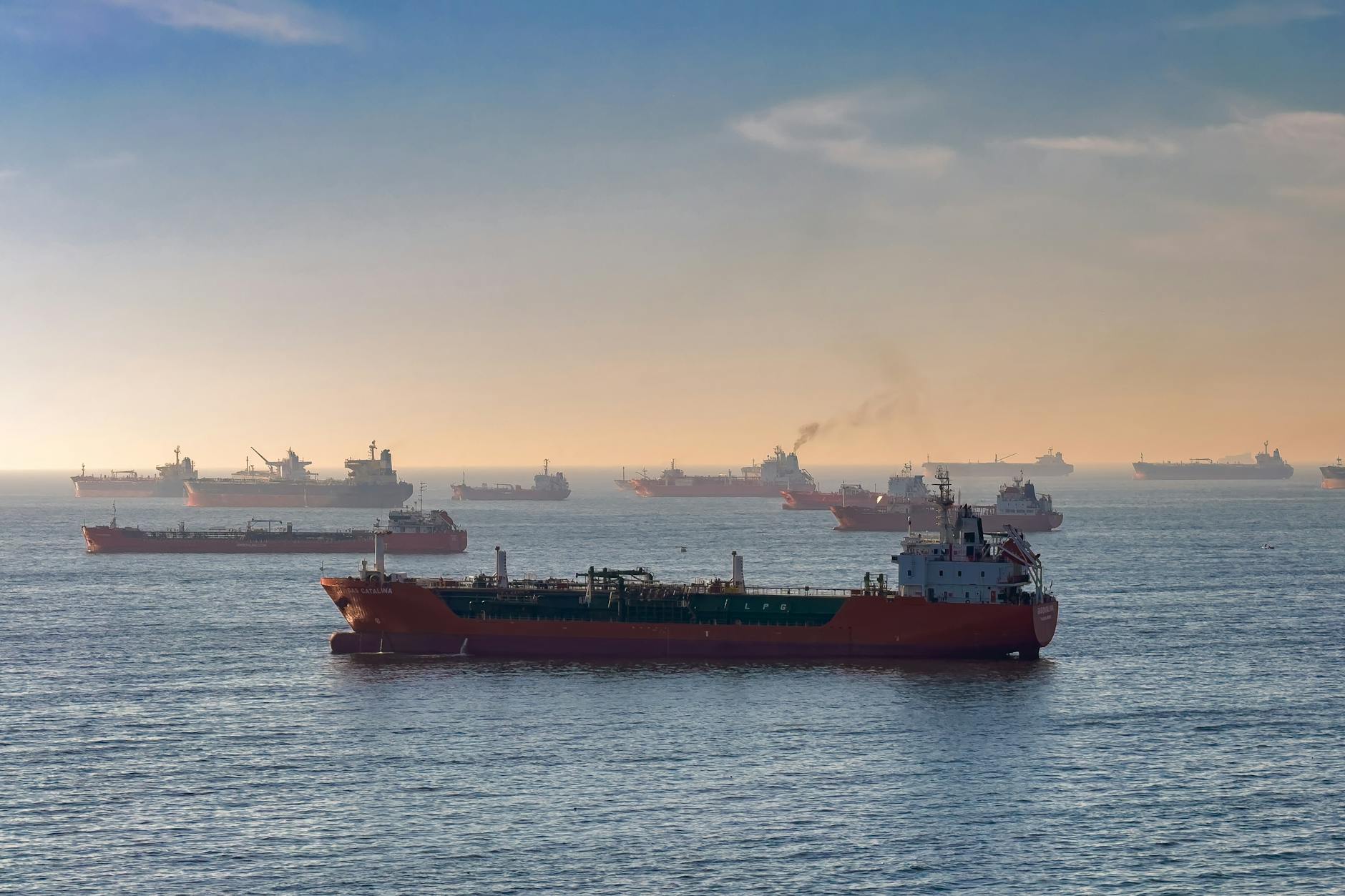
Iran's central military command announced the closure of the Strait of Hormuz on Saturday, in response to Israeli attacks on southern Lebanon. Officials said this move is the 'first step' in a response to what Iran describes as a breach of its agreement with the US. The closure threatens global oil supply routes, with nearly 20% of the world's oil passing through the strait.
Meanwhile, the US reported that oil tankers were still moving through the strait.
The Strait of Hormuz is a vital waterway, with millions of barrels of oil passing through it every day. The closure of the strait could have significant implications for the global economy, with oil prices likely to rise.
Iran's decision to close the strait comes after Israeli airstrikes on southern Lebanon killed at least 16 people, according to witnesses. The airstrikes were part of a fragile ceasefire between Israel and Hezbollah, which has been in place for several days.
US-Iran Tensions
The US and Iran have been in talks to resolve their differences, but the closure of the Strait of Hormuz has raised tensions between the two countries. Government sources said that the US is concerned about the impact of the closure on global oil supplies, and is urging Iran to reopen the strait.
Experts said that the closure of the strait is a significant escalation of the conflict between Iran and the US. 'This is a very serious situation, and it has the potential to lead to a wider conflict in the region,' said Fawaz Gerges, a Professor of Middle East politics.
The US and Iran have a long history of tensions, with the two countries having been in conflict for several decades. The current tensions between the two countries are centered on Iran's nuclear program, as well as its support for militant groups in the Middle East.
Israeli Attacks on Lebanon
The Israeli airstrikes on southern Lebanon have killed at least 16 people, according to witnesses. The airstrikes were part of a fragile ceasefire between Israel and Hezbollah, which has been in place for several days.
Sources confirmed that the airstrikes were carried out by Israeli warplanes, which targeted Hezbollah positions in southern Lebanon. The airstrikes were widely condemned by the international community, with many countries calling for a ceasefire.
The conflict between Israel and Hezbollah has been ongoing for several years, with both sides carrying out attacks against each other. The conflict has had a significant impact on the people of Lebanon, with many having been displaced or injured.
Historical Context
The Strait of Hormuz has been a source of tension between Iran and the US for several decades. In 1988, the US and Iran clashed in the strait, resulting in the sinking of an Iranian warship.
Since then, the US and Iran have had a tense relationship, with both countries having been in conflict over several issues. The current tensions between the two countries are centered on Iran's nuclear program, as well as its support for militant groups in the Middle East.
The conflict between Israel and Hezbollah has also been ongoing for several years, with both sides carrying out attacks against each other. The conflict has had a significant impact on the people of Lebanon, with many having been displaced or injured.
Human Impact
The closure of the Strait of Hormuz has had a significant impact on the people of the region. Many have been displaced or injured, and the conflict has had a significant impact on the economy.
Witnesses said that the airstrikes on southern Lebanon have had a devastating impact on the local population. 'The airstrikes have destroyed many homes and buildings, and have had a significant impact on the local economy,' said one witness.
The conflict has also had a significant impact on the global economy, with oil prices likely to rise as a result of the closure of the strait. Many countries are dependent on oil from the Middle East, and the closure of the strait could have significant implications for their economies.