India VIX Surges 10% as Sensex Slides, Triggering Fresh Volatility Fear
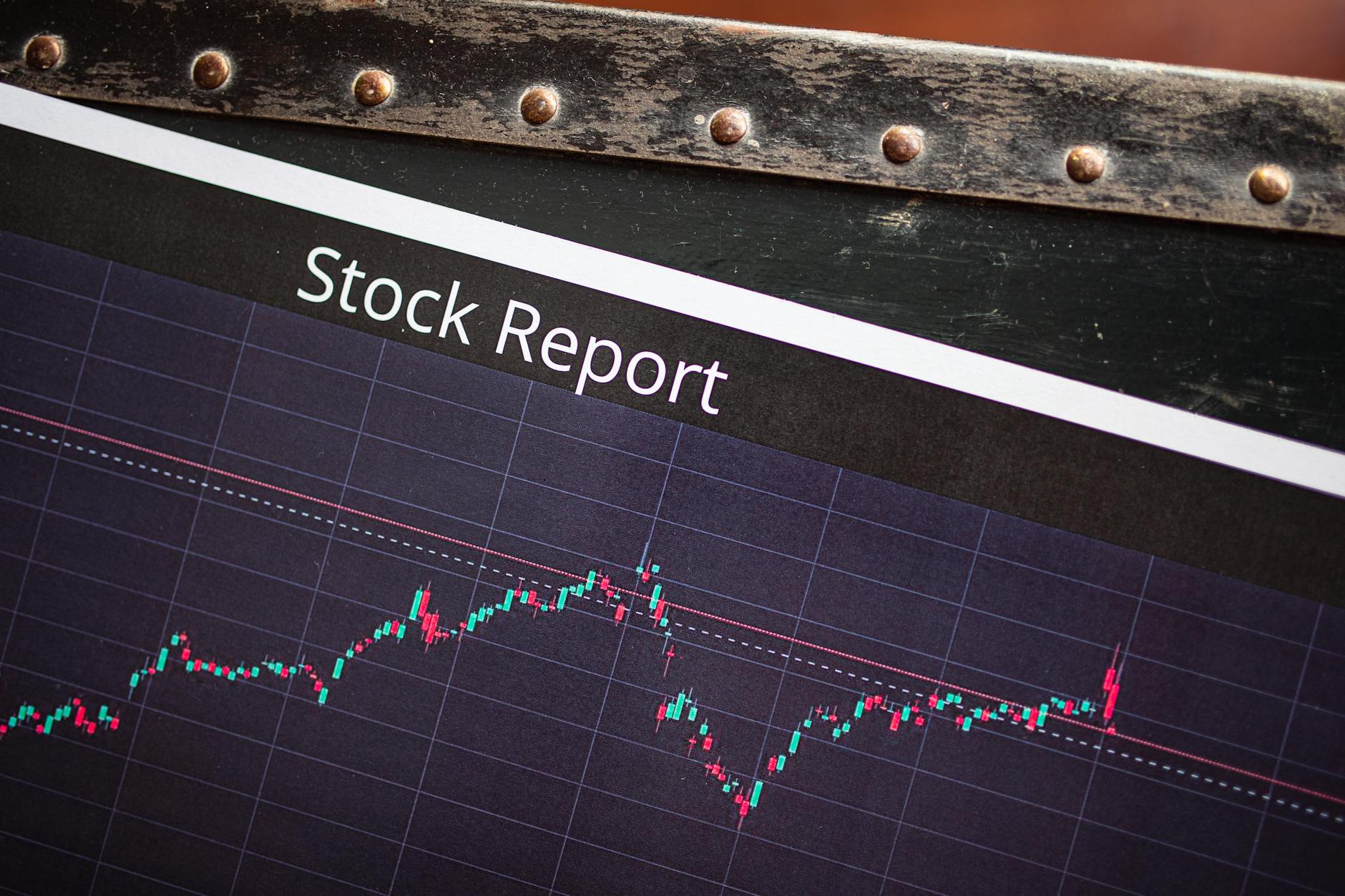
India VIX spiked 10.2% on Tuesday, Sep 15, 2026, closing at 22.5 points, the highest level since the March 5 surge.
The jump coincided with a 1.8% fall in the Sensex, which slipped to 71,320 points, and a 2.1% dip in the Nifty 50, which settled at 21,050 points.
Sources at Upstox said the volatility surge was driven by a confluence of factors: a fresh escalation in Middle‑East tensions, weaker earnings outlook for IT exporters, and a sudden outflow of foreign institutional investors (FIIs) amounting to roughly ₹4,200 crore.
- VIX rose from 20.4 to 22.5 in 90 minutes.
- FIIs withdrew ₹4,200 crore, the largest single‑day outflow since Jan 2024.
- IT sector index fell 3.4% as HCLTech and Infosys missed quarterly guidance.
"Rohit Sinha, chief market analyst at Bloomberg, said, "The VIX is reacting to a perfect storm of geopolitical risk and domestic earnings disappointment, and we may see further spikes if the trend continues."
The spike matters because the VIX, a barometer of expected market volatility, often precedes sharper equity corrections; a reading above 20 historically signals heightened investor anxiety in India.
March 5 Spike: 50% Jump Signals Double‑Bottom Fear
On Mar 5, 2026, India VIX surged 50% in a single session, climbing from 14.8 to 22.2 points, a move that sent traders scrambling for protection.
Analysts at India Infoline linked the surge to speculation that the Nifty could be forming a double bottom after a prolonged rally, a pattern that historically precedes a volatile correction.
The same day, the Nifty 50 stalled near 21,800, just shy of its all‑time high, while the banking index slipped 2.5% on fears of rising non‑performing assets.
- VIX rose 7.4 points in under two hours.
- Nifty 50 flatlined, closing 0.2% below its previous peak.
- Bank Nifty fell 2.5% on concerns over RBI policy lag.
"Anupam Ghosh, senior equity strategist at Motilal Oswal, said, "A 50% VIX jump is rare and usually flags a market that is about to swing sharply, especially when the underlying index is stuck at a technical ceiling."
The episode reminded investors that volatility can erupt even when price charts look calm, underscoring the need for hedging tools such as options or the India VIX exchange‑traded product itself.
June 15 Crash: VIX Falls 50% Post US‑Iran Deal
Following the announcement of a US‑Iran ceasefire on Jun 15, 2026, India VIX retreated sharply, shedding 50% of its 52‑week high to settle at 13.6 points, according to Business Today.
The drop mirrored a broad rally in equities, with the Sensex gaining 1.4% to 73,200 and the Nifty 50 rising 1.7% to 21,780.
Officials at SEBI said the calming of global risk sentiment allowed domestic investors to unwind protective positions, leading to a net inflow of ₹2,800 crore into equity mutual funds.
- VIX fell from 27.2 to 13.6 in four trading sessions.
- Sensex up 1.4%, Nifty up 1.7%.
- Mutual fund inflows of ₹2,800 crore recorded.
"Rajat Sharma, senior economist at the Reserve Bank of India, said, "The volatility index is highly sensitive to geopolitical news; the US‑Iran peace deal removed a major risk premium, allowing markets to breathe again."
The episode highlighted how quickly sentiment can swing, turning a high‑volatility environment into a low‑risk rally within days.
Historical Contrast: Record Low VIX in Dec 2025 Shows Calm Before Storm
On Dec 27, 2025, the Economic Times reported that India VIX touched a record low of 11.2 points as the Nifty hovered near its 2024 peak, creating a false sense of security among investors.
The calm was deceptive; the low volatility reading masked underlying macro‑economic stresses, including a widening current‑account deficit and rising crude oil prices.
Within three months, the index rebounded to 18.5 points, foreshadowing the March 2026 spike.
- VIX low of 11.2 on Dec 27, 2025.
- Nifty 50 at 22,100, near all‑time high.
- Current‑account deficit widened to 2.3% of GDP.
Experts at TradingView noted that the VIX‑based Nifty/BankNifty range calculator, launched on Feb 2, 2026, had already flagged a potential volatility breakout, but many traders ignored the signal.
"Sanjay Kedia, head of research at Motilal Oswal, said, "When VIX hits historic lows, it often precedes a rapid reversal; the market was simply overdue for a correction."
The historical low serves as a reminder that complacency can be costly, especially when global risk factors loom.
What Traders Are Doing: Range Calculator and Hedge Strategies
Since the launch of the India VIX‑based Nifty/BankNifty range calculator on Feb 2, 2026, traders have increasingly relied on its auto‑fetch algorithm to set volatility‑adjusted stop‑losses and option strike prices.
The tool pulls real‑time VIX data from the NSE and suggests a trading band that widens as VIX rises, helping market participants manage risk without over‑leveraging.
- Calculator widens band by 0.5% of index per VIX point above 15.
- Over 12,000 active users logged in during the Sep 15 volatility spike.
- Average option premium increased by 18% on the day of the spike.
Fund managers at Samco noted that the VIX‑linked ETF saw a 15% inflow on Mar 10, 2026, after the index fell 15%, offering a cheap entry point for volatility‑seeking investors.
"Anita Mehta, senior fund manager at Samco, said, "The VIX‑ETF provides a low‑cost way to capture volatility swings, and we have added it to our tactical allocation after the recent pull‑back."
The growing adoption of VIX‑centric tools underscores a shift toward more sophisticated risk‑management practices among Indian retail and institutional investors.
Outlook: Analysts Warn of Sticky Volatility Ahead
Looking ahead, market watchers expect India VIX to remain elevated, hovering between 18 and 24 points, as geopolitical uncertainties in the Middle East persist and domestic earnings season approaches.
Officials said the Securities and Exchange Board of India is monitoring market depth and may consider temporary circuit‑breaker adjustments if volatility spikes exceed 30% in a single session.
- Projected VIX range: 18‑24 points for Q4 2026.
- Potential circuit‑breaker trigger: 30% intraday VIX rise.
- Earnings season for top IT firms begins Oct 5, 2026.
"Vikram Patel, chief investment officer at HDFC Asset Management, said, "Investors should brace for a volatile quarter; the VIX is unlikely to retreat to pre‑June levels until we see a clear de‑escalation of global risk and solid earnings beats."
The persistent volatility suggests that hedging will stay front‑and‑center for portfolio managers, and the India VIX exchange‑traded product may see higher turnover as traders seek low‑cost protection.