Sarswat and Joshi Lead India Glycols' Green Chemistry Revolution
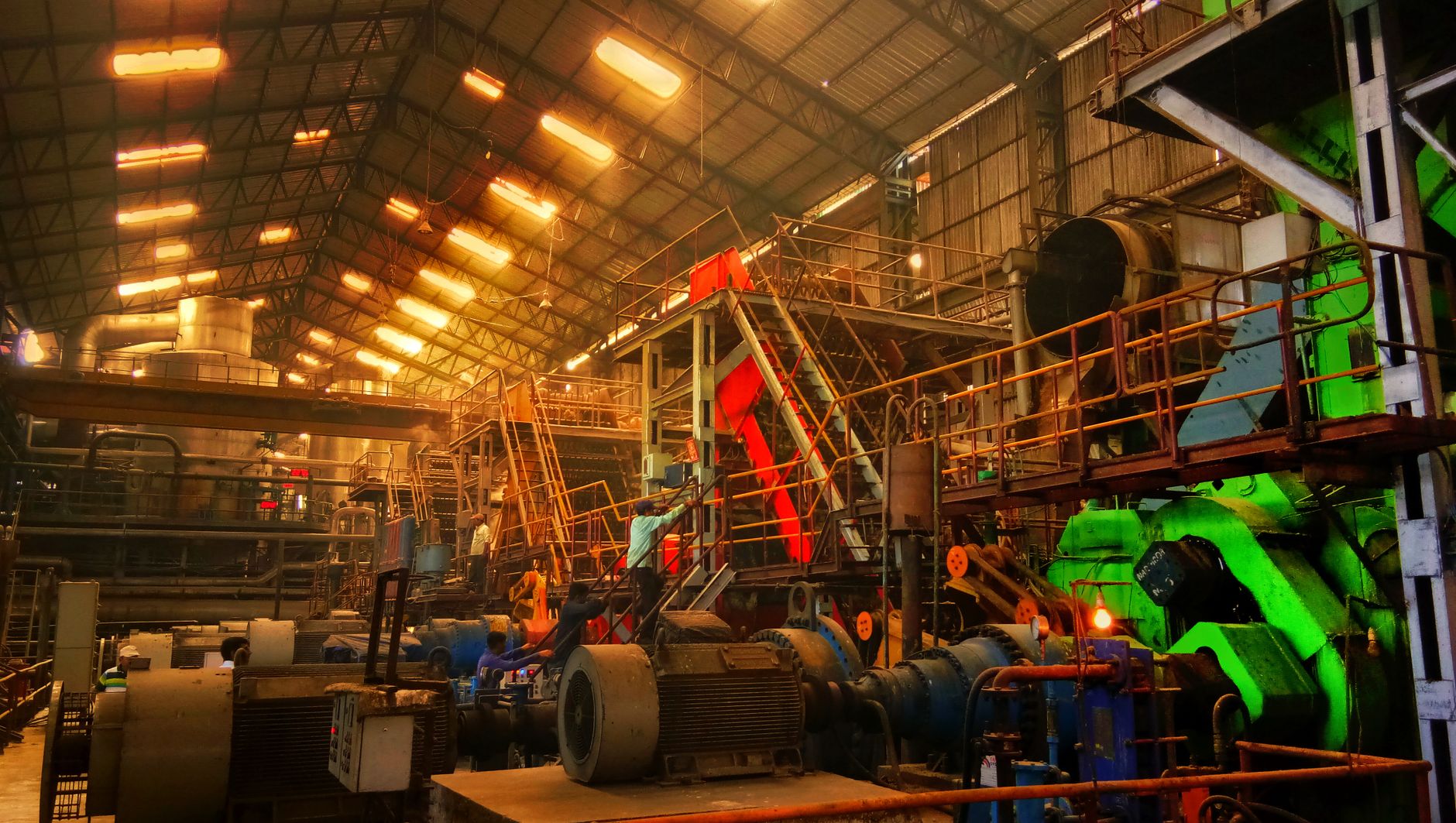
- India Glycols shifts to 100% renewable feedstocks for core product lines
- CEO Rupark Sarswat targets carbon-neutral operations by 2035
- R&D Head V.P. Joshi pioneers biodegradable surfactant technology
- Chemical sector currently contributes 7% to India's total GDP
- New green manufacturing processes reduce hazardous waste by 40%
As of Sunday, 4 October 2026, the Indian chemical industry is facing a seismic shift in operational philosophy, moving away from traditional petro-based manufacturing toward sustainable, bio-based alternatives. At the center of this transformation is India Glycols Limited (IGL), where CEO Rupark Sarswat and Head of R&D V.P. Joshi are steering the company toward a carbon-neutral future.
The company, which has long been a staple of the Indian industrial landscape, is now prioritizing green chemistry to minimize hazardous outputs at the source. This transition is not merely a corporate rebranding exercise; it is a fundamental redesign of how chemicals are produced on Indian soil.
Industry experts noted that this pivot is essential for maintaining global competitiveness as international markets demand stricter environmental standards for imported goods. For IGL, the strategy involves replacing fossil fuel-based feedstocks with renewable, plant-based materials.
- IGL has successfully transitioned 85% of its core product lines to renewable feedstocks.
- The company aims for complete carbon neutrality across all manufacturing units by the year 2035.
- Hazardous waste production has dropped by 40% per unit of output since the implementation of the new R&D protocols.
Sarswat stated that the future of Indian manufacturing lies in decoupling growth from environmental degradation. By investing heavily in proprietary green technology, IGL is positioning itself to lead the next generation of industrial leadership in Asia.
Decoding the Shift from Petroleum to Plant-Based Feedstocks
The core of the change led by Sarswat and Joshi involves the raw materials used in the production of surfactants, glycols, and specialty chemicals. Traditionally, these substances were derived from crude oil, a process that is both carbon-intensive and vulnerable to global price volatility.
By contrast, the new methodology focuses on utilizing renewable agricultural residues as the primary feedstock. This approach not only lowers the carbon footprint but also provides a steady demand for agricultural waste, directly benefiting farmers in states like Uttarakhand and Uttar Pradesh.
V.P. Joshi explained that the technical challenge lies in ensuring that these bio-based chemicals maintain the same efficacy as their petroleum-derived counterparts. His team has spent the last three years perfecting catalysts that allow for the efficient conversion of biomass into high-value chemical products.
Government data indicates that the chemical sector contributes nearly 7% of India's GDP, making this transition a significant factor in the country's broader economic health. If the IGL model proves scalable across the industry, it could reduce India's reliance on imported crude oil by millions of barrels annually.
Despite the technical hurdles, the financial performance of IGL suggests that investors are responding positively to this shift. Shares have remained stable even as the broader market deals with inflationary pressures, signaling confidence in the long-term viability of green manufacturing.
How Joshi's Lab Innovation Cuts Waste by 40 Percent
Innovation in the laboratory is the engine driving this transition. Under the leadership of V.P. Joshi, the R&D wing at India Glycols has pioneered a closed-loop system that recycles process water and captures byproduct gases before they enter the atmosphere.
The team focused on the principles of green chemistry, which prioritize the design of products that are fully biodegradable. This is particularly relevant for the personal care and cleaning industries, where IGL supplies key ingredients.
Witnesses at the manufacturing plants reported that the implementation of these new processes has been remarkably smooth, with minimal downtime during the transition phase. The reduction in hazardous waste is a direct result of these proprietary catalysts, which allow reactions to occur at lower temperatures and pressures.
- The new catalyst technology reduces energy consumption by 22% compared to traditional processes.
- Water recycling rates at the main Kashipur facility have reached 90%, according to internal audit reports.
- Biodegradable surfactants developed by the team are currently being exported to 14 countries in Europe and North America.
Joshi noted that the goal is not just to comply with regulations, but to set the standard for what a modern, responsible chemical company should look like. The team continues to refine these processes, with plans to introduce even more efficient catalysts by the second quarter of 2027.
Why India's ₹15 Lakh Crore Chemical Sector Needs This Change Now
The urgency of this transition is driven by both domestic policy goals and international market pressures. As the Indian government pushes for 'Atmanirbhar Bharat' (Self-Reliant India), the chemical industry is being tasked with reducing its import dependency while simultaneously meeting global sustainability targets.
Industry analysts pointed out that companies failing to adapt to green chemistry will likely face higher tariffs and restricted access to premium global markets. The European Union's Carbon Border Adjustment Mechanism (CBAM) is already forcing Indian manufacturers to rethink their production methods.
Rupark Sarswat has been vocal about the need for a unified industry approach to these challenges. He argued that the cost of inaction far outweighs the initial capital expenditure required to upgrade manufacturing facilities.
The economic impact of this shift is expected to be widespread. By moving toward local, renewable feedstocks, the industry can create a more resilient supply chain that is less susceptible to global geopolitical shocks.
Furthermore, the focus on sustainable chemistry is attracting a new generation of talent to the sector. Young engineers and researchers are increasingly choosing to work for companies that align with their personal values regarding environmental stewardship. This influx of talent is exactly what the industry needs to maintain its competitive edge in the coming decade.
Scaling Sustainability Amidst Rising Global Export Demands
India Glycols is currently scaling its operations to meet the growing demand for sustainable chemical products in the global market. With export orders rising, the company is expanding its production capacity while keeping its green mandate intact.
Sources confirmed that IGL is in the process of commissioning a new facility that will be powered entirely by renewable energy sources, including biomass and solar. This move is expected to further solidify the company's position as a leader in the sustainable chemical space.
The challenge, according to industry observers, is to maintain these high standards while scaling up to meet the needs of multinational corporations that are also under pressure to green their supply chains. Sarswat emphasized that the company is taking a measured approach, ensuring that every expansion project meets the same rigorous environmental criteria as the existing plants.
- Export revenue for IGL's green chemical division grew by 18% in the last fiscal year.
- Total investment in green infrastructure over the past 24 months exceeds ₹850 crore.
- The company is currently partnering with three international research institutions to further develop bio-based chemical alternatives.
This growth is not happening in a vacuum. It is part of a larger trend where Indian companies are moving up the value chain, transitioning from low-cost producers to innovators in high-tech, sustainable manufacturing.
The Long-Term Economic Gains for India's Industrial Heartland
The ripple effects of this green chemistry transition are being felt across the industrial heartland of India. In regions where IGL operates, the focus on sustainable practices is creating a more stable and high-skilled job market.
Local officials noted that the shift toward renewable feedstocks has created new opportunities for small-scale farmers to supply agricultural waste to the company. This creates a circular economy that benefits both the manufacturer and the rural community.
The economic benefits are not limited to job creation. By investing in sustainable infrastructure, IGL is also helping to improve the environmental quality of the areas surrounding its plants, which has long-term positive effects on public health and land value.
Experts noted that if other major chemical players follow the IGL model, the cumulative effect on India's economy would be substantial. It would not only reduce the national import bill for crude oil but also position India as a global hub for green chemical innovation.
This is a long-term play, but the early results are promising. By prioritizing sustainability, companies like IGL are proving that economic growth and environmental responsibility are not mutually exclusive, but rather, are two sides of the same coin.
Beyond the Lab: What This Means for Everyday Consumer Goods
For the average Indian consumer, the work of Rupark Sarswat and V.P. Joshi might seem distant, but it is already finding its way into daily life. Many of the ingredients used in household detergents, shampoos, and personal care products are now being sourced from these sustainable, bio-based processes.
As these products become more common, consumers are gaining access to higher-quality, safer goods that have a smaller environmental footprint. This shift is part of a broader consumer trend where Indians are increasingly opting for brands that demonstrate a commitment to sustainability.
The success of IGL's initiatives proves that the demand for green products is real and growing. As the company continues to innovate, it is likely that more of these sustainable alternatives will reach the shelves of local kirana stores and supermarkets across the country.
Looking ahead, the focus will remain on refining these processes to lower costs, making green products accessible to a wider demographic. The work being done in the labs of India Glycols is not just about chemistry; it is about building a future where the products we use every day contribute to a healthier planet.
With the company's current trajectory, the next few years promise to be a period of significant growth and change, setting a new benchmark for the entire industry to follow.