Hero Motors Surges 20% to Upper Circuit Following Tepid Debut
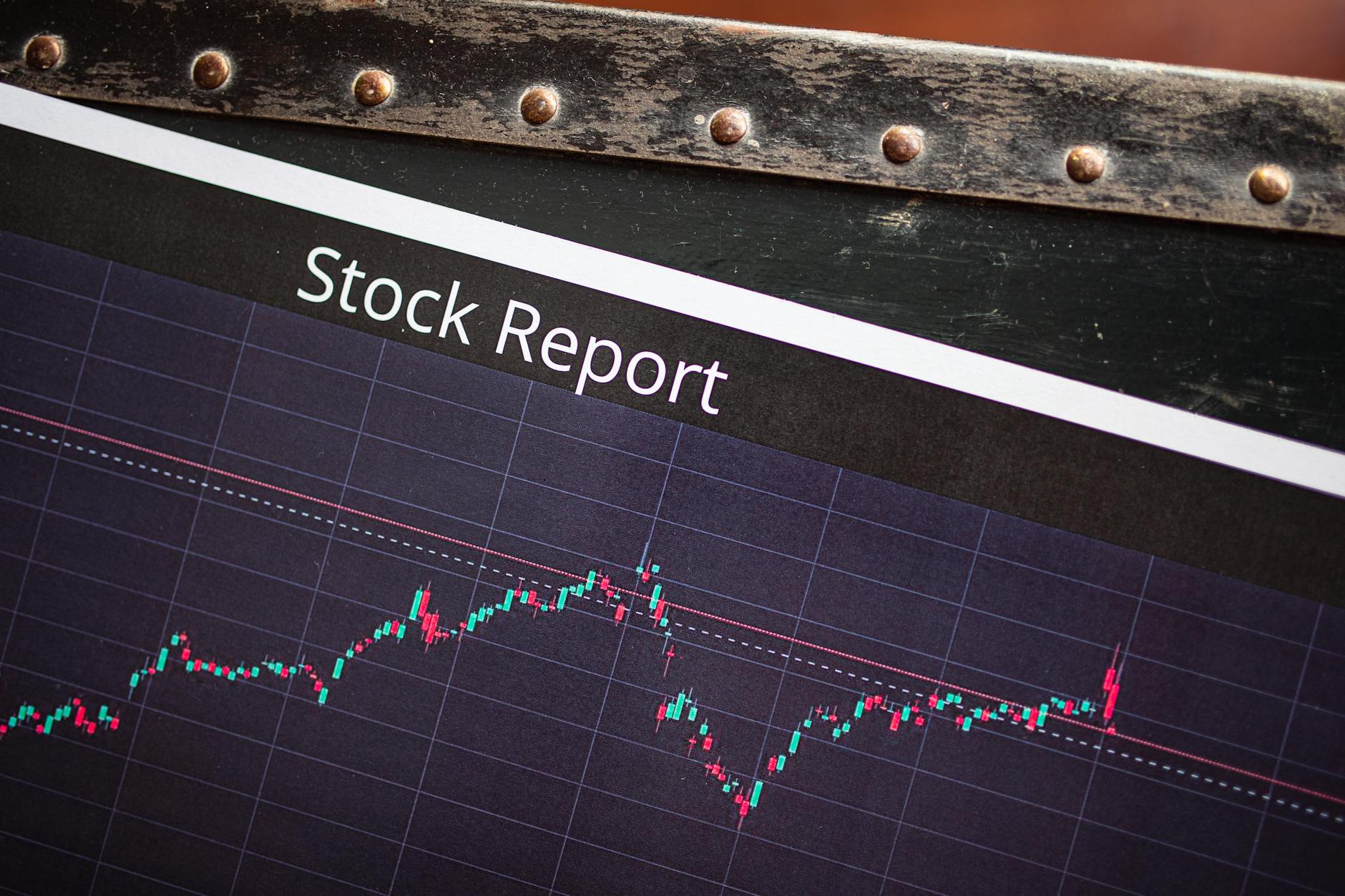
- Hero Motors locked at 20% upper circuit after tepid market debut.
- Nifty50 remains volatile as global cues weigh on investor sentiment.
- BSE Bankex shows resilience despite broader market fluctuations.
- FIIs remain net sellers in the current trading session.
- Rupee trades steady against the US dollar at 84.12.
Hero Motors shares hit the 20% upper circuit on Wednesday, marking a sharp reversal from its tepid market debut. The stock, which opened listless, found aggressive buying interest early in the morning session on the Bombay Stock Exchange. Investors who had stayed on the sidelines during the initial public offering (IPO) rushed in as the price corrected, signaling a shift in sentiment.
The stock is now locked at the upper circuit, reflecting a sudden surge in demand that caught many day traders off guard. Market participants often view such moves as a sign of institutional accumulation, though the thin liquidity in the counter played a role in the rapid price movement.
- Hero Motors hit the 20% upper circuit within two hours of trading.
- The stock had opened with a modest gain that quickly faded before the turnaround.
- Institutional buying was observed in the mid-morning session, according to exchange data.
The sudden jump serves as a reminder of the volatility inherent in recent IPO listings. While the initial response was muted, the price action today suggests that long-term investors are beginning to find value at these levels. Analysts noted that the company's fundamentals are being re-evaluated by the market, moving away from the short-term hype that often defines listing days. Traders are now watching the volume closely to see if this momentum can be sustained through the week.
Nifty50 and Bankex Struggle for Direction Amid Global Cues
The broader Nifty50 index remained trapped in a tight range on Wednesday as investors processed mixed global signals. While the benchmark index hovered near the 25,400 mark, the lack of a clear trend kept the bulls and bears in a stalemate. The BSE Bankex provided some support, showing resilience even as other sectors faced selling pressure.
Market experts pointed out that the lack of conviction from foreign institutional investors (FIIs) is keeping the market from breaking out of its current consolidation phase. FIIs remained net sellers in the current session, continuing a trend that has persisted throughout the week. Domestic institutional investors (DIIs), meanwhile, have been providing a buffer, buying into dips to prevent a deeper slide.
- Nifty50 index levels are currently oscillating around the 25,400 pivot point.
- BSE Bankex remains a key sector to watch for signs of institutional strength.
- FII outflows continue to weigh on the overall market sentiment.
The uncertainty in the market is largely driven by concerns over global interest rate trajectories. With central banks globally maintaining a cautious stance, Indian investors are hesitant to commit fresh capital to high-beta stocks. Instead, the focus has shifted toward defensive sectors, where earnings visibility remains high. The Bankex, in particular, has seen a rotation into private lenders, which are perceived to be better positioned to handle the current credit environment. As the trading session progresses, market participants are looking for a catalyst to break the current range-bound movement.
Sectoral Shifts in Pharma and PSU Bank Performance
Nifty Pharma and Nifty PSU Bank indices are telling two different stories today. The pharma sector has seen a wave of profit-booking after a strong run, while PSU banks are witnessing a mixed bag of results. Investors are rotating out of high-valuation pharma stocks and into banking names that have been beaten down in recent weeks.
The Nifty PSU Bank index is particularly sensitive to government policy announcements and credit growth data. Officials said that the current focus on asset quality has made investors more selective, leading to a divergence in performance between top-tier and smaller public sector banks. Meanwhile, the Nifty Pharma index is grappling with margin pressures as input costs rise, leading some analysts to trim their outlook for the sector.
- Nifty Pharma index is down by 0.8% as profit-booking hits large-cap names.
- Nifty PSU Bank index shows a 0.5% gain, led by selective buying in mid-cap lenders.
- Investors are prioritizing companies with strong balance sheets to mitigate risk.
The divergence highlights the growing importance of stock selection in the current market environment. Gone are the days of broad-based rallies where every stock participated. Today, the market is rewarding companies that can deliver consistent earnings growth despite the macro headwinds. As the day progresses, the performance of these two indices will likely dictate the direction of the broader Nifty50, as they represent significant weightage in the index. Traders are advised to keep a close eye on the support levels for both sectors to avoid getting caught in a sudden reversal.
FIIs and DIIs Engage in a Tug-of-War for Market Control
The ongoing tug-of-war between foreign and domestic investors continues to define the market landscape. FIIs have been consistently trimming their exposure to Indian equities, citing high valuations and the strength of the US dollar. In contrast, DIIs, including mutual funds and insurance companies, are consistently deploying capital, acting as a stabilizing force for the Sensex and Nifty.
Sources confirmed that the current net selling by FIIs is not indicative of a long-term exit, but rather a rebalancing of portfolios in response to global macro factors. The strength of the Indian economy remains a key draw for long-term investors, but the short-term noise is creating opportunities for traders. The DII buying interest is concentrated in blue-chip companies, which are seen as safe havens during periods of market volatility.
- FIIs have been net sellers for the third consecutive session this week.
- DIIs have absorbed the selling pressure, preventing a significant market correction.
- Retail investor participation remains high, with SIP inflows hitting record highs.
The resilience of the Indian market is a testament to the depth of domestic capital. Even as global markets face uncertainty, the local appetite for equities has not waned. This structural shift in the market, where domestic money plays a larger role than foreign flows, is a relatively new phenomenon that is changing how the market reacts to news. As we look ahead, the ability of DIIs to continue supporting the market will be the primary factor in determining whether the Nifty can sustain its current levels or if a deeper correction is on the horizon.
Rupee Stability and the Impact of Global Macro Headwinds
The Indian Rupee is trading steady at 84.12 against the US dollar, providing a measure of comfort to importers and equity investors alike. Despite the volatility in global currency markets, the Reserve Bank of India (RBI) has managed to keep the currency in a stable range. This stability is crucial for maintaining investor confidence, especially as the country navigates a complex global economic environment.
Currency traders are closely monitoring the dollar index, which has been showing signs of strength. Any significant move in the greenback could put pressure on the rupee, potentially impacting the earnings of companies with high import costs. However, the current level of 84.12 is seen as a comfortable zone for the central bank. The focus remains on how the rupee performs against a basket of currencies, rather than just the dollar, to get a better sense of trade competitiveness.
- The Rupee is currently trading at 84.12 against the US dollar.
- RBI intervention remains a key factor in keeping the currency stable.
- Global dollar strength is the primary risk factor for the rupee in the coming weeks.
The stability of the rupee is also helping to anchor inflation expectations. By keeping the currency from depreciating rapidly, the central bank is helping to keep the cost of imported goods in check. This is a vital component of the broader economic strategy to maintain growth while keeping prices stable. As investors look toward the next set of economic data, the currency's performance will remain a key indicator of market health. A stable rupee is often the bedrock of a stable equity market, and for now, that foundation appears to be holding firm.
Strategic Outlook for Retail Investors in Volatile Times
For the retail investor, the current market environment demands a disciplined approach. With the Nifty50 showing signs of fatigue and individual stocks like Hero Motors seeing wild swings, the temptation to chase momentum is high. However, seasoned analysts suggest that sticking to a long-term strategy is the most effective way to navigate the current volatility.
The key is to focus on companies with strong cash flows and a clear competitive advantage. As the market continues to consolidate, there will be opportunities to pick up quality stocks at attractive valuations. Investors should avoid the urge to time the market and instead focus on systematic investment plans (SIPs) to average out their costs. The goal is to build a portfolio that can withstand short-term shocks while capturing the long-term growth potential of the Indian economy.
- Focus on companies with low debt-to-equity ratios.
- Avoid over-leveraging positions in volatile stocks like recent IPOs.
- Use price corrections as an opportunity to add quality names to your portfolio.
The market is likely to remain range-bound in the near term as it waits for fresh triggers. Whether those triggers come from corporate earnings or policy shifts, the best defense is a well-diversified portfolio. As we look toward the end of the trading session, the focus will shift to how the markets close and what that signals for the next day. The lesson from today's session is clear: volatility is not a reason to panic, but a reason to be more selective. By staying focused on the fundamentals, investors can find value even in the most challenging market conditions.