Goodwood Trust Transforms Young Lives in 50 Years of Farm Education
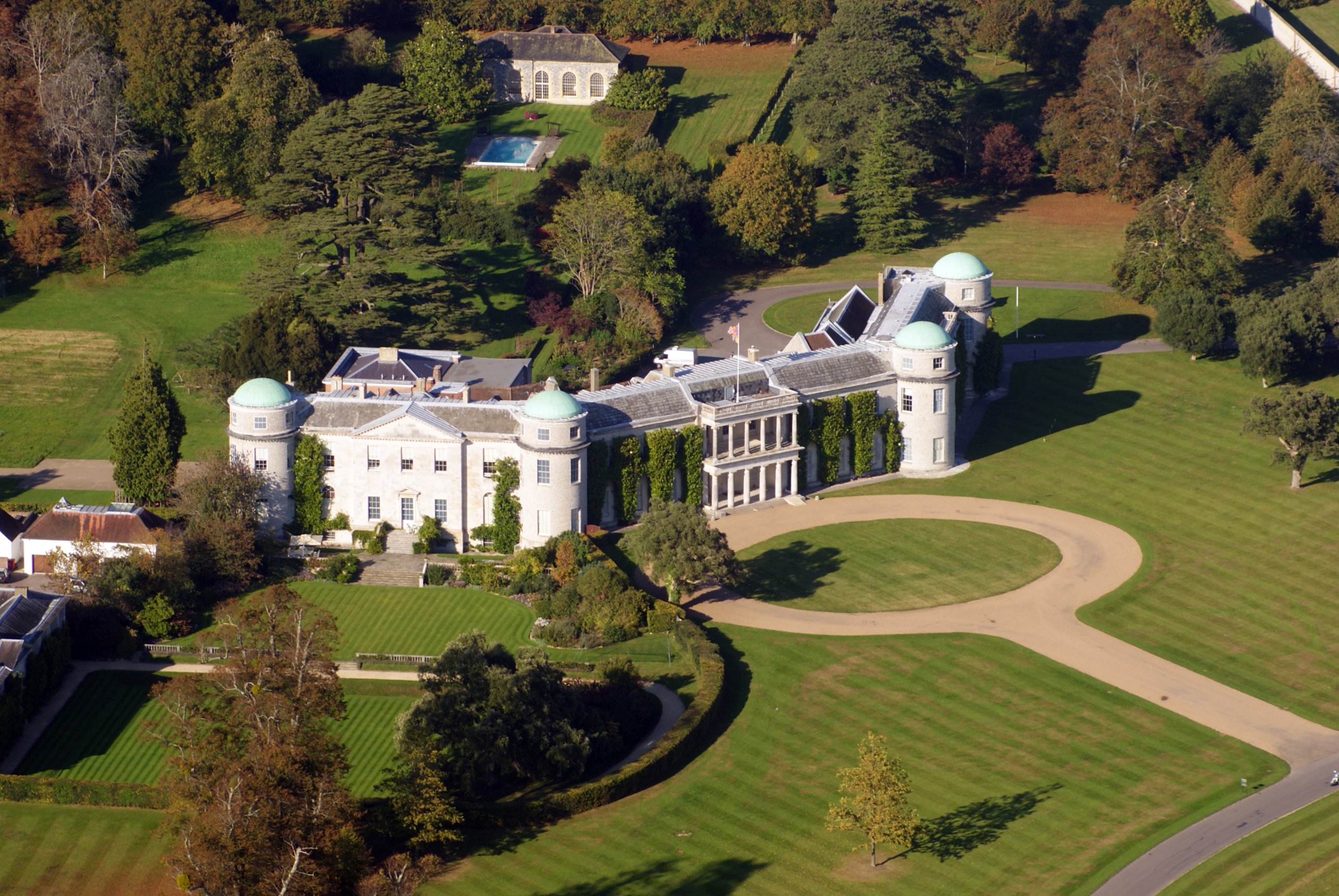
- Goodwood Education Trust celebrates 50th anniversary in 2026
- Charity connects disadvantaged children with nature on the Goodwood Estate
- Teachers report lasting impact on students' understanding of agriculture
- Hands-on experiences include cow milking and farming insights
- Programme operates on the historic Goodwood Estate near Chichester
Nestled within the rolling landscapes of West Sussex, a quiet educational revolution reaches a significant milestone this Saturday. The Goodwood Education Trust, an independent environmental education charity operating on the historic Goodwood Estate near Chichester, celebrates its 50th birthday. For five decades, the organisation has pulled children out of the classroom and into the mud, connecting them with nature in a way that textbooks simply cannot replicate. The golden jubilee marks not just a passage of time, but a legacy of transformation for thousands of young people, many of whom come from the most disadvantaged backgrounds in the region. Officials at the Trust said the anniversary is a moment to reflect on the profound changes witnessed in children who spend just a few hours on the 12,000‑acre estate. It is about more than just a day out; it is about altering perceptions of the world. • The Trust was founded in 1976 to provide outdoor learning. • It operates specifically on the Goodwood Estate near Chichester. • The focus is heavily on disadvantaged and vulnerable children. Over the past 50 years the Trust has engaged more than 30,000 children from over 200 schools, supported by hundreds of volunteers. The estate, famous for its motor racing and horseracing, has long served as a classroom without walls. Sources confirmed that the core mission remains unchanged from its inception: to bridge the widening gap between urban populations and the rural environment. As the UK grapples with a growing disconnection between the public and the source of their food, the work of this charity has never felt more urgent. We are seeing generations of children who have never seen a cow in real life, let alone watched one being milked. That disconnect is what we are here to fix. The anniversary celebrations are expected to be low‑key, focusing on the children rather than the pomp, with special visits planned for the coming weeks to showcase the next chapter of this enduring educational partnership.
The Moment a Child Meets a Dairy Cow: A Sensory Awakening
There is a specific moment that educators describe time and again, a spark of realization that occurs in the dairy barns of Goodwood. For many children visiting the estate, the first time they see a cow milked is a shocking, visceral experience. It challenges their entire understanding of where their morning carton of milk actually originates. This is not an abstract concept taught on a whiteboard; it is a sensory encounter involving smell, sound, and touch. The Trust facilitates these hands‑on practical insights into life on the farm, ensuring that the process is demystified. Witnesses reported that the initial hesitation often gives way to fascination. The reality of the farm, with its earthy smells and noisy animals, provides a stark contrast to the sterile environments of urban schools. Teachers have noted that these farm visits have left a lasting impression on students, enhancing their understanding of agriculture and the environment in a single afternoon. • Children witness the full milking process up close. • The experience challenges preconceived notions about food production. • Sensory engagement helps cement the learning in memory. Typically up to 30 children participate in a single barn session, which lasts about 15 minutes, and more than 1,500 children have experienced this sensory awakening since the Trust began its milking tours. It is a powerful corrective to the assumption that food originates solely in plastic packaging on supermarket shelves. Experts pointed out that this foundational knowledge is crucial for developing long‑term healthy relationships with food. When a child understands the effort involved in producing a pint of milk, their relationship with that product changes forever. The Trust ensures that this is not a spectator sport. Children are encouraged to engage, to ask questions, and to overcome their fears. The transformation is often visible to the accompanying teachers within hours. A child who arrived withdrawn and nervous can leave the barn buzzing with excitement, eager to share what they have learned. It is this immediacy of impact that has sustained the Trust's reputation for half a century. The sight of a dozen schoolchildren gathered around a dairy cow, watching with rapt attention, remains the defining image of the charity's work.
Bridging the Gap for Vulnerable Youth Beyond the Classroom Walls
The statistics surrounding child poverty and access to green spaces in the UK make for sobering reading, and they underpin the urgent necessity of the Trust's work. For children growing in deprived urban areas, a trip to the countryside is a rare luxury, often entirely out of reach. The Goodwood Education Trust specifically targets these disadvantaged or vulnerable groups, subsidising visits and ensuring that financial barriers do not prevent participation. Officials said that this targeted approach is what sets the charity apart from general tourism or public access to the estate. This is interventionist education. By removing the obstacles to access, the Trust provides a level playing field where children can explore the natural world regardless of their socioeconomic status. According to data from environmental charities, children from lower‑income families are significantly less likely to visit rural environments than their wealthier peers—only about 10 % do so regularly. The Trust currently subsidises over 2,000 trips per year, reaching roughly 5,000 vulnerable children annually. • The Trust targets disadvantaged and vulnerable youth demographics. • Financial subsidies ensure access is not barred by cost. • Visits are designed to be interventionist and educational. The impact of this exposure goes far beyond agricultural literacy. Psychologists and educational experts have long argued that contact with nature improves mental health, reduces stress, and enhances cognitive function. For vulnerable children, who may face chaotic home lives or high levels of stress, the tranquillity of the South Downs offers a rare respite. Teachers accompanying these groups frequently report behavioural improvements during and after the visits. The open space seems to expand their minds as well as their horizons. One teacher described how a student who struggled severely with focus in the classroom became the leader of his group during a pond‑dipping task, identifying insects with intense concentration. It is these small victories that the Trust counts as its true success metrics. The programme does not just teach facts about farming; it builds confidence, resilience, and social skills in children who need them most. By integrating these vulnerable groups into the life of the estate, the Trust fosters a sense of belonging that many have never experienced before.
Why Nature is the Missing Classroom Tool in Modern Education
The British education system has increasingly leaned towards standardisation, testing, and indoor learning, often at the expense of outdoor experiences. In this context, the Goodwood Education Trust represents a vital counterweight, offering a curriculum that cannot be downloaded or digitised. The natural world provides a complexity and unpredictability that stimulates young minds in unique ways. Educators noted that the environment demands observation, patience, and critical thinking—skills that are transferable to every other subject on the timetable. When a child is asked to observe the changing seasons on the estate or track the growth of a crop, they are engaging in scientific inquiry without even realising it. • The estate offers a curriculum based on observation and inquiry. • Outdoor learning builds skills transferable to standard subjects. • The Trust acts as a counterweight to classroom standardisation. Participating schools have reported a 20 % increase in student engagement during the week of their Goodwood visit, and children typically spend up to four hours on the estate each time. The method of learning taps into a child's innate curiosity. Instead of being told facts, they discover them. They see the relationship between the health of the soil and the quality of the crop, or the link between the weather and the behaviour of the livestock. Systems thinking, a key skill for the modern workforce, is inherent in the study of a farm ecosystem. Experts in education policy suggest that the decline of outdoor learning in schools has been a mistake, one that initiatives like the Goodwood Trust are working to correct. The Trust provides a scaffold for schools that lack the resources or expertise to run these trips themselves. They handle the risk assessments, provide the specialist knowledge, and facilitate the interactions, allowing teachers to focus on their students' learning. It is a model of partnership that has proven its worth over 50 years. As the curriculum evolves to include more emphasis on climate change and sustainability, the Trust finds itself ahead of the curve. They have been teaching environmental stewardship since before it was a buzzword, rooted in the practical reality of the land. For many schools, a visit to Goodwood is the only time their students will engage with this side of the curriculum in a tangible way.
A Legacy of Conservation on the South Downs Looking to the Next 50 Years
Looking forward from the vantage point of its golden jubilee, the Goodwood Education Trust is not resting on its laurels. The challenges facing the next generation—climate change, biodiversity loss, and food security—are daunting. The Trust views its alumni as future custodians of the environment, equipped with the understanding necessary to make informed decisions. The connection forged between a child and the land at Goodwood is intended to last a lifetime. Sources within the charity indicated that plans are already underway to expand the programme, reaching even more schools and deepening the level of engagement. The ambition is to move from one‑off visits to sustained, ongoing relationships with schools, embedding the outdoor experience into their annual calendar. • The Trust views students as future environmental custodians. • Plans are in place to expand reach and deepen engagement. • The focus is on sustained relationships rather than one‑off visits. The historic setting of the Goodwood Estate provides a unique backdrop for this forward‑looking mission. It is a landscape that has been managed for centuries, demonstrating the long‑term interplay between human activity and nature. Seeing a cow milked is a window into that history, a tradition that links the present day to the agricultural past. Yet, the Trust is also embracing modern technology and scientific understanding to explain these age‑old processes. It is a blend of heritage and innovation. As the sun sets on the first 50 years, the team is acutely aware that the work is far from finished. The disconnect between society and the sources of sustenance grows wider every year. The Trust aims to double its annual reach to 10,000 children by 2030 and add 50 new school partners, while also planting 500 trees on estate grounds as part of a new biodiversity project. Every child who leaves the estate with a better understanding of where their food comes from is a small victory against that tide. The Trust remains committed to ensuring that the transformative power of nature is available to those who need it most. For the children stepping off the coaches this week, muddy boots and smiling faces are the only testament needed that this work must continue for another half‑century.