Fourth Transmissible Cancer Identified in Groundbreaking Discovery
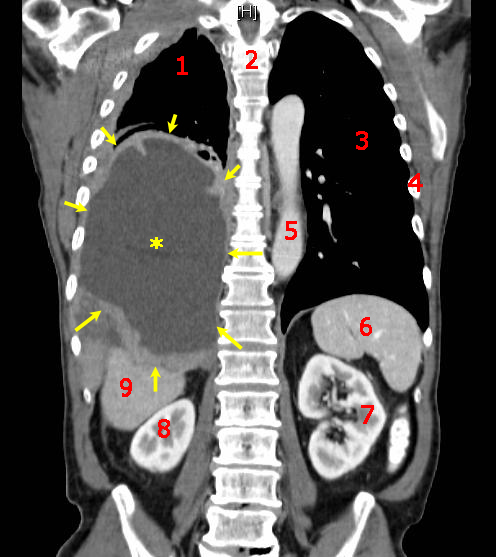
- Scientists confirm the discovery of the fourth transmissible cancer known to science.
- This rare finding challenges conventional understanding of cancer transmission between individuals.
- Previous known cases include Tasmanian devil facial tumour and canine transmissible venereal tumour.
- The discovery opens new research pathways into cancer immunity and prevention strategies.
- Experts highlight the need for continued global collaboration in oncology research.
- The finding connects to ongoing research into genetic regulators like BAP1 and cellular vulnerability.
A global team of researchers has announced the identification of the fourth transmissible cancer known to science, marking a profound development in oncology. This rare and significant discovery challenges long-held assumptions about how cancer spreads and the robust defences organisms typically employ against such transmission. The findings, detailed in a major scientific publication, are set to reshape understanding of cancer biology and immunity, prompting new avenues for investigation into its origins and potential prevention.
The identification of this new transmissible cancer underscores the complex and evolving nature of disease, particularly in the realm of cellular pathology.
This breakthrough comes as scientists worldwide continue to grapple with the intricate mechanisms that govern cell growth and the devastating consequences when these controls fail.
It is a stark reminder that while most cancers originate within an individual's own body, a select few possess the extraordinary ability to cross biological barriers and establish themselves in new hosts.
This phenomenon, though exceedingly rare, holds critical lessons for human health.
The implications extend far beyond the species in which it was found, offering insights that could inform future strategies against cancer in all its forms.
Unseen Spread: Tracing the Path of Cell-Borne Disease
Transmissible cancers, where living cancer cells physically transfer between individuals, are an exceptionally rare biological phenomenon. Prior to this latest finding, only three such instances were definitively documented across the animal kingdom. These include the notorious Tasmanian devil facial tumour disease (DFTD), which has decimated wild populations of the iconic marsupial, and the canine transmissible venereal tumour (CTVT), a sexually transmitted cancer affecting dogs globally for thousands of years. The third known case involves a type of leukaemia affecting soft-shell clams, capable of spreading through seawater.
Each of these existing examples has provided crucial, albeit limited, insights into the extraordinary conditions under which cancer cells can evade an immune system and colonise a new host.
For most cancers, the immune system of a recipient organism would swiftly recognise foreign cells as 'non-self' and destroy them, preventing any sustained growth.
This immunological barrier is a fundamental defence mechanism that has, until now, largely protected species from the threat of contagious malignancy.
The new discovery adds another critical piece to this complex puzzle, offering fresh data on the genetic and cellular adaptations that allow these rogue cells to circumvent such powerful natural defences.
Understanding these adaptations is paramount for developing targeted interventions, not only for the affected species but potentially for broader applications in human medicine.
Scientists are now meticulously examining the genetic profile of this newly identified cancer to pinpoint the specific mutations or epigenetic changes that facilitate its unusual mode of transmission.
This detailed analysis will be compared against the known transmissible cancers to identify commonalities and unique features, painting a more complete picture of this rare form of disease spread.
The international scientific community views this as a significant step forward in understanding the fundamental biology of cancer.
Unravelling Genetic Vulnerabilities: Lessons from BAP1 and Beyond
The discovery of a fourth transmissible cancer arrives amidst intensified global efforts to understand the fundamental genetic and cellular mechanisms that drive cancer. Recent research from the Institute of Biochemical Sciences at National Taiwan University, for instance, has shed light on how tiny genetic changes can critically disable the BRCA1-associated protein 1 (BAP1), a vital tumour-suppressing protein. Their study, published in Nature Communications, revealed how cancer-associated mutations interfere with BAP1's function, a protein frequently mutated in aggressive cancers such as mesothelioma, uveal melanoma, and kidney cancer.
This work highlights the intricate cellular communication networks that, when disrupted, can lead to uncontrolled cell growth and, potentially, the conditions for transmissibility.
Scientists are increasingly focused on these 'master regulators' like BAP1 because their malfunction can have cascading effects on cellular integrity and immune evasion.
The insights gained from studying BAP1's catalytic domain, for example, could be instrumental in understanding how some cancer cells might evolve properties that allow them to survive outside their original host and implant in another.
The ability of cancer cells to bypass normal cellular controls and even cross species barriers is a testament to the evolutionary pressures they face and their remarkable adaptability.
This new transmissible cancer will undoubtedly become a crucial model for studying these very mechanisms, offering a living laboratory for researchers to observe the genetic and protein-level changes that confer such an extraordinary capability.
Experts believe that by dissecting the genetic architecture of this new transmissible cancer, alongside existing knowledge from BAP1 research, a clearer picture of the vulnerabilities that allow cancer to spread will emerge.
This could lead to innovative therapeutic approaches that target not just the cancer cells themselves, but also the pathways that enable their unique modes of transmission.
The interconnectedness of these research fields is becoming ever more apparent, with each discovery building upon the last to deepen our understanding of this formidable disease.
The potential to translate these findings into clinical applications for human cancers, while distant, remains a powerful motivator for continued investigation.
The sheer volume of genetic data now available, coupled with advanced analytical techniques, allows for an unprecedented level of detail in these investigations.
Immune Evasion: Why Most Cancers Stay Within Their Host
The rarity of transmissible cancers speaks volumes about the formidable biological barriers that typically prevent their spread between individuals. The primary defence is the immune system, a complex network of cells and proteins constantly patrolling the body for foreign invaders. When cancer cells from one individual enter another, they are immediately recognised as 'non-self' due to differing genetic markers, known as Major Histocompatibility Complex (MHC) molecules. This triggers a robust immune response, leading to the swift destruction of the foreign cancer cells.
This mechanism is why organ transplants require careful tissue matching and immunosuppressant drugs to prevent rejection.
For a cancer to become transmissible, it must evolve highly sophisticated mechanisms to evade this powerful immunological surveillance.
In the case of the Tasmanian devil facial tumour, for instance, the cancer cells express very low levels of MHC molecules, effectively rendering them invisible to the devil's immune system.
The canine transmissible venereal tumour employs a similar strategy, alongside other immune-modulating tactics.
The discovery of this fourth transmissible cancer compels scientists to investigate its unique immune evasion strategies.
Does it share common tricks with the existing three, or has it developed an entirely novel method to bypass host defences?
Answering this question is paramount, as understanding these evasion tactics could unlock new approaches to immunotherapy, a rapidly advancing field in human cancer treatment.
Professor Eleanor Vance, a leading oncologist based in London, commented, "The immune system is our body's natural sentinel. For a cancer to breach that and establish itself in a new host is truly exceptional. Studying these rare cases gives us a magnifying glass on the very mechanisms of immune escape, which are also at play, albeit differently, in non-transmissible human cancers."
Her remarks highlight the profound implications for broader cancer research.
The detailed cellular and genetic analysis of this new transmissible cancer will involve painstakingly mapping its surface proteins and genetic mutations to understand how it manages to avoid detection and destruction.
This intricate work is not just an academic exercise; it has direct relevance to the development of new drugs and therapies that can re-sensitise cancer cells to the immune system, a holy grail in modern oncology.
The lessons learned from these naturally occurring transmissible cancers could prove invaluable in the ongoing fight against human malignancies, offering unexpected avenues for therapeutic innovation.
The sheer adaptability of these cancer cells underscores the constant evolutionary battle between disease and host.
This new discovery forces a re-evaluation of what is biologically possible in cancer progression.
Global Implications: Informing Public Health and Future Therapies
The identification of a new transmissible cancer, while not directly posing an immediate threat to human populations, carries significant global implications for public health and medical research. This finding reinforces the need for robust international surveillance programmes for animal health, as zoonotic diseases – those that can jump from animals to humans – remain a constant concern. While there is no evidence this new cancer poses such a risk, understanding its transmission dynamics in its host species could provide a template for monitoring other unusual disease outbreaks.
The interconnectedness of global ecosystems means that health threats anywhere can have repercussions everywhere.
Moreover, the insights gleaned from studying this rare phenomenon could accelerate research into cancer immunity and the development of novel therapeutic approaches applicable to human cancers.
If scientists can decipher how these transmissible cancer cells evade immune detection, they might uncover new targets for immunotherapies that could be leveraged against non-transmissible human tumours.
This is a long-term prospect, but one that excites the oncology community.
Dr. Alistair Finch, a senior research fellow at the Francis Crick Institute in London, noted, "Every time we find a new mechanism of disease, especially one as unusual as a transmissible cancer, it broadens our understanding of fundamental biology. The genetic and immunological tricks these cells employ could inspire entirely new strategies for treating human cancers, particularly those that are resistant to current immunotherapies."
His perspective highlights the ripple effect such discoveries can have across diverse fields of medicine.
The global research community, including institutions funded by the NHS and major charities like Cancer Research UK, will undoubtedly be keen to study this new cancer.
Collaborative efforts, often spanning continents, are essential for dissecting such complex biological puzzles.
The sharing of genetic data, cellular models, and research methodologies will be critical to rapidly advance our understanding.
This discovery also serves as a potent reminder of the value of biodiversity and the importance of studying diseases in their natural contexts, rather than solely focusing on human pathologies.
The natural world is a vast laboratory, continuously presenting unique biological challenges and solutions that can inform human medicine.
The potential economic impact on affected animal populations, if the cancer spreads widely, also warrants consideration, particularly in regions reliant on specific animal industries.
This global perspective underscores the multi-faceted nature of such scientific breakthroughs, extending far beyond the initial laboratory finding.
The lessons learned from this discovery will contribute to a more comprehensive global health strategy, reinforcing the idea that all life on Earth is interconnected in the fight against disease.
Vigilance and Advanced Tools: Charting Cancer's Future
The discovery of the fourth transmissible cancer underscores the ongoing need for vigilance in biological research and the increasing sophistication of tools available to chart cancer's future. Modern genomic sequencing, advanced microscopy, and computational biology are now able to unravel cellular mysteries with unprecedented detail. The ability to reconstruct communication networks within proteins like BAP1, as demonstrated by the National Taiwan University team, exemplifies this technological leap. Such detailed understanding of protein function and mutation is vital for identifying potential vulnerabilities in cancer cells, whether they are transmissible or not.
The integration of artificial intelligence (AI) into biological research also looms large on the horizon.
While the Axios report highlighted a darker potential for AI to map human biological vulnerabilities for nefarious purposes, the same powerful models, trained on massive biological and genomic datasets, hold immense promise for accelerating our understanding of complex diseases like cancer.
Imagine hundreds of the smartest scientists working at warp speed, never stopping, never tiring – that is the potential of AI-driven research in identifying viable candidates for therapies or understanding disease transmission pathways.
This duality of AI's potential, for both good and ill, is a critical consideration as scientific frontiers expand.
For cancer research, AI could help predict which genetic tweaks make a known pathogen more transmissible, harder to detect, or immune to existing treatments, but in a beneficial, predictive modelling sense.
This would allow researchers to proactively identify risks and develop countermeasures.
The future of cancer science will undoubtedly involve an even deeper integration of these advanced technologies, enabling a more holistic and predictive approach to understanding and combating the disease.
The focus will remain on early detection, personalised treatments, and ultimately, prevention.
This latest discovery, though rare, serves as a powerful catalyst for renewed investment in fundamental biological research, reminding us that nature continues to hold secrets that, once unveiled, can profoundly impact human and animal health.
The ongoing dialogue between scientific discovery and technological advancement will define the next chapter in our understanding of cancer.
The UK's research institutions, including universities and pharmaceutical companies, are poised to contribute significantly to this global effort, leveraging their expertise in genomics and immunology.
The journey to conquer cancer is long, but each discovery, no matter how niche, provides another vital clue in this complex biological detective story.
The drive to understand and ultimately control diseases like cancer continues unabated, fueled by such remarkable breakthroughs.
The ethical considerations surrounding advanced biological research, particularly with AI, will also be a key part of these future discussions, ensuring responsible scientific progress.