Inside England's High-Security Hospitals: A Patient's Reality
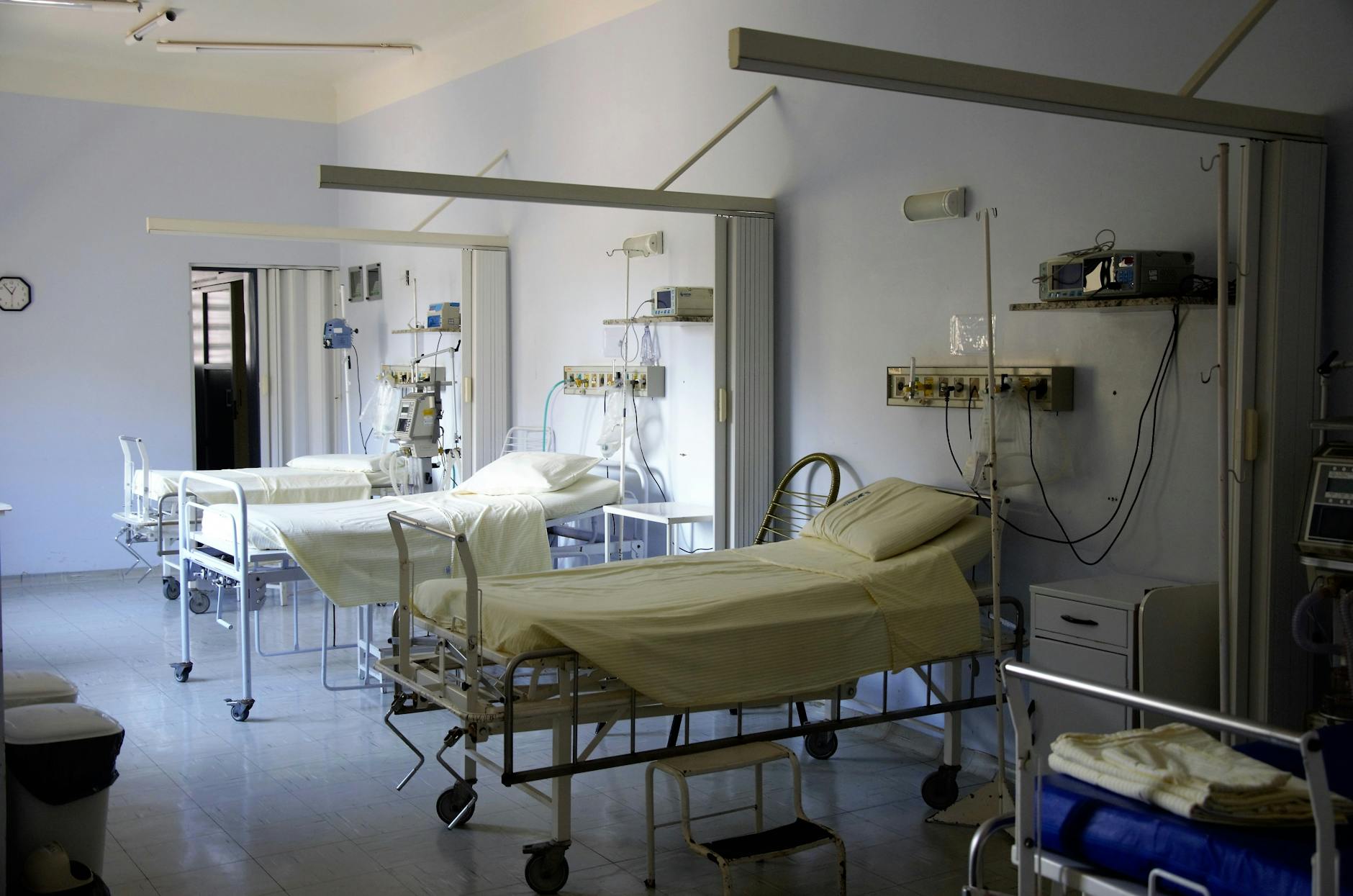
- Visitors report emotional distress during visits to high-security hospitals
- Security protocols remain a focal point for families in England
- Clinical environments impact the quality of patient-family connection
- The Guardian highlights the harsh reality of institutional life
Visiting a loved one in one of England's high-security hospitals often leaves families feeling overwhelmed and distressed. A report published by The Guardian on Sunday, 11 October 2026, details how these environments create a clinical reality that challenges the human need for connection. For many people, the transition from the outside world into a high-security ward is jarring. The rigid infrastructure, designed primarily for safety, often overshadows the therapeutic goals of psychiatric care. Visitors frequently grapple with the feeling that their time with patients is constrained by institutional requirements. These requirements prioritize security over the specific needs of the individual patient. This tension between security and patient welfare remains a central issue for families attempting to maintain relationships. Many visitors describe a sense of helplessness when they encounter the physical barriers of the hospital. The environment is designed to keep people in, which creates a barrier that families find difficult to navigate. For families, the process of visiting a loved one often involves navigating strict procedures that can feel impersonal. These procedures are intended to maintain the safety of the facility, but they also highlight the distance between the patient and the outside world. The emotional impact on families is a direct result of this clinical and controlled environment.
Balancing safety with patient recovery
High-security psychiatric hospitals serve a critical role in the English healthcare system by housing individuals who require intensive monitoring. These facilities manage complex psychiatric cases where the primary objective is to ensure safety for both the patient and the public. The Guardian report explains that the very measures intended to protect patients can also contribute to a sense of isolation. The physical environment is characterized by controlled access and constant surveillance, which creates a barrier that families find hard to overcome. For patients, these surroundings are often the only reality they know for extended periods of time. The challenge for clinicians and administrators is to create spaces that feel less like prisons. They must also ensure these areas remain conducive to mental health recovery. Achieving this balance is a complex task that impacts the daily lives of patients and the well-being of their visiting families. The hospital must maintain a secure perimeter while attempting to provide a space where individuals can receive psychiatric treatment. This dual purpose creates a unique environment where the needs of the institution often conflict with the needs of the patient. The staff must manage these competing interests every day, which affects how patients interact with the world beyond the ward.
The reality of institutional life for patients
Life inside these hospitals is defined by strict schedules and constant oversight. While these protocols are necessary for the facility, they often strip away the autonomy that is essential for long-term recovery. Families often witness the impact of this environment firsthand during their visits. They note that the clinical setting can be cold and impersonal, which makes it difficult to maintain normal family dynamics. The Guardian analysis suggests that the harsh reality of institutional life is not merely a matter of physical constraints. It is also a matter of emotional impact on those living within the walls. When families visit, they are forced to engage with a system that prioritizes security above all else. This can lead to feelings of helplessness, as the environment seems designed to keep people in rather than to facilitate their return to the outside world. The ongoing dialogue around these facilities focuses on how to improve the quality of life for patients. This dialogue aims to improve daily conditions without compromising the essential safety measures that define the operation of the hospital. Patients must live within these constraints, which can limit their sense of independence and personal control. The impact of this life on the mental health of the patient is a subject of concern for those who visit frequently.
Family engagement in a controlled setting
Families play a vital role in the lives of patients, yet the setting of the hospital makes this engagement difficult. The visit itself is often the only time a patient has to connect with someone from their past life. These interactions are often limited by the rules of the institution, which dictate when and how a visit can occur. The Guardian report indicates that these restrictions are a source of distress for many family members. They feel that the system does not always account for the human need for connection and emotional support. The physical space where visits occur is often designed to ensure that security is never compromised. This design choice can make the interaction feel forced and unnatural for both the patient and the visitor. Many families report that they leave these visits feeling upset by the environment they have just witnessed. They see the reality of life in high-security care and the limitations it places on the people they care about. The challenge for the healthcare system is to find ways to support these relationships while maintaining the necessary security. This remains an ongoing issue for the families who visit these hospitals. The system must address how to make these spaces more humane while still ensuring the safety of everyone involved in the process.
Frequently Asked Questions
Add NewsPulse Time as a preferred source on Google