Dr. Faye Begeti Debunks the 8-Hour Sleep Myth for Indians
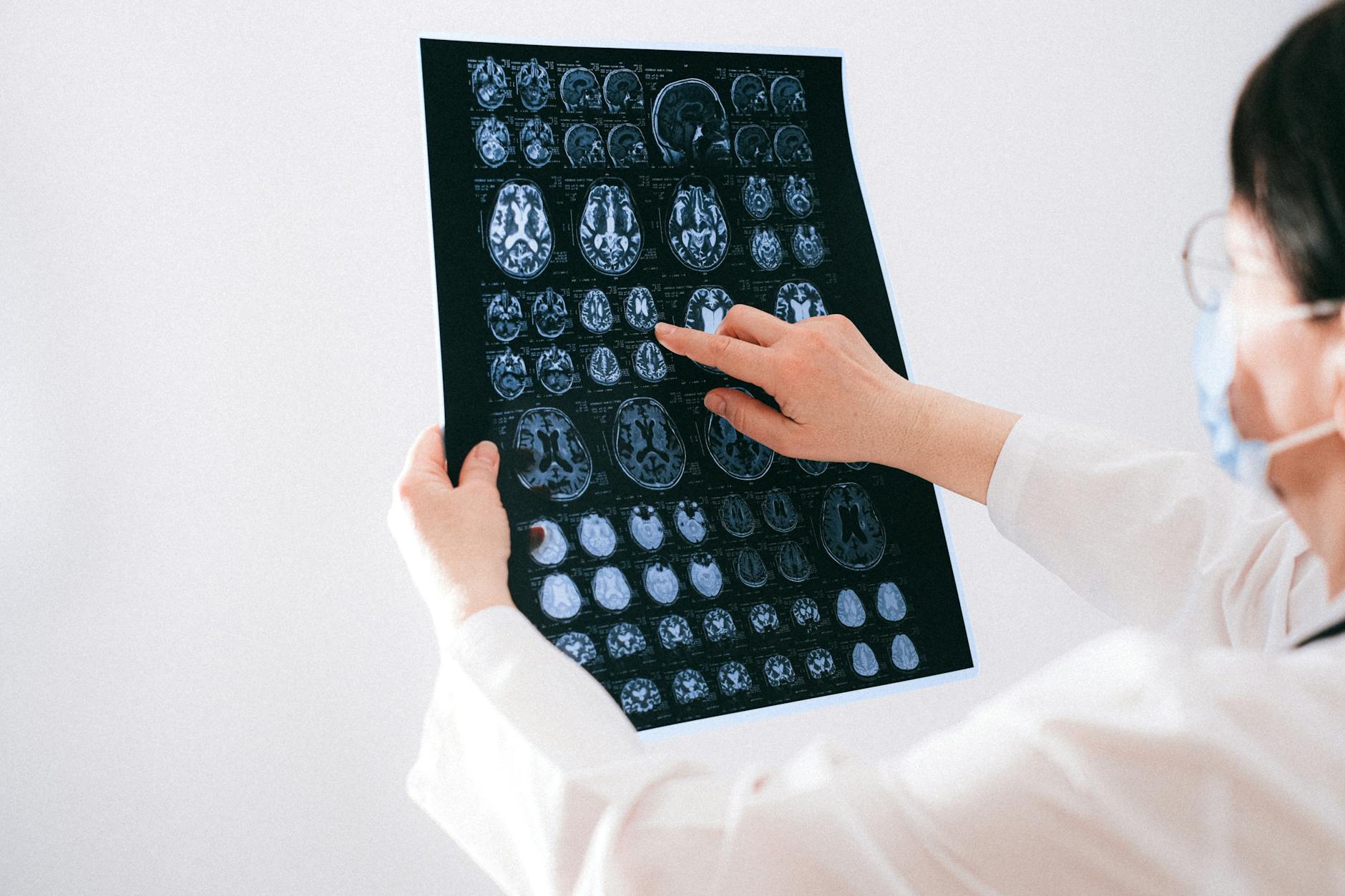
- Neurologist Dr. Faye Begeti confirms sleep needs vary from 6 to 11 hours.
- Chronic stress elevates cortisol levels, damaging the hippocampus and prefrontal cortex.
- Regular alcohol intake disrupts brain health and sleep architecture.
- Morning sunlight exposure helps regulate the body's internal clock for better rest.
- Mental stimulation and consistent wake-up times are critical for cognitive longevity.
For decades, the medical community and popular culture have preached that eight hours of sleep is the gold standard for every human being. However, Dr. Faye Begeti, a prominent neurologist and neuroscientist, is challenging this rigid dogma. According to her latest findings released this Sunday, October 4, 2026, individual sleep requirements are as unique as a fingerprint.
While the average person might feel refreshed after seven hours, others may require as much as 10 or 11 hours to function at their peak. This revelation comes as a massive shift for millions of Indians currently struggling with the 'hustle culture' prevalent in cities like Gurugram, Mumbai, and Bengaluru.
The pressure to conform to a standardized schedule often leads to unnecessary anxiety, as professionals worry they are failing their health if they wake up tired after an eight-hour block. Dr. Begeti noted that forcing one's body to adhere to a generic timeframe ignores the complex biological variations that dictate how the brain repairs itself overnight.
- Sleep needs vary significantly across the population.
- Forcing a specific duration can increase psychological stress.
- Individual health markers should guide sleep habits rather than arbitrary clocks.
This is not just about feeling groggy; it is about the long-term integrity of your cognitive functions. When we ignore our body's specific biological cues, we set ourselves up for a cycle of fatigue that affects everything from our performance on the Sensex to our ability to manage daily tasks. The reality is that the brain requires a specific amount of downtime to process information and clear metabolic waste, and for some, that threshold is simply not eight hours.
How Chronic Stress Rewires the Indian Corporate Brain
The modern Indian workplace, characterized by high-stakes deadlines and constant connectivity, is fueling a silent epidemic of chronic stress. Dr. Begeti explained that persistent stress causes the body to maintain elevated levels of cortisol, the primary stress hormone. When cortisol remains high for extended periods, it begins to act like a toxin to the brain.
The amygdala, which handles our emotional responses, becomes hyperactive under these conditions. Simultaneously, the hippocampus—the region responsible for memory—and the prefrontal cortex, which governs decision-making, begin to show signs of strain. For a professional in Mumbai juggling a ₹15 lakh annual salary target and a demanding commute, this physiological change is not merely a mood swing. It is a structural shift in how the brain processes information and regulates emotions.
Experts confirmed that this cortisol overload is a major contributor to the rising cases of burnout observed in urban India. When the prefrontal cortex is compromised, the ability to concentrate, solve complex problems, and regulate impulses diminishes.
- Cortisol levels remain persistently high in chronic stress states.
- The amygdala becomes oversensitive, increasing anxiety.
- Memory and focus suffer as the hippocampus and prefrontal cortex are affected.
This biological reality explains why many workers find it nearly impossible to 'switch off' even after leaving the office. The brain remains in a state of high alert, trapped by the chemicals released during the day. It is a vicious cycle: the stress prevents deep sleep, and the lack of deep sleep further weakens the brain's ability to regulate stress hormones the following day.
The Hidden Cost of Nightcaps and Lack of Mental Stimulation
In many Indian households, a glass of alcohol at the end of a long day is seen as a way to unwind. However, Dr. Begeti warned that regular alcohol consumption significantly disrupts the architecture of sleep. While alcohol might help a person fall asleep faster, it destroys the quality of that sleep by preventing the brain from entering the restorative REM and deep-sleep stages.
The damage does not stop there. The brain is an organ that thrives on constant, varied stimulation. When we spend our downtime scrolling through social media or watching repetitive content, we deny the brain the challenge it needs to maintain cognitive health. This lack of mental stimulation, combined with alcohol and poor sleep, creates a 'perfect storm' for cognitive decline.
Many Indians are unaware that their evening habits are directly impacting their long-term brain health. The cost of this ignorance is high, potentially manifesting as memory loss or difficulty concentrating in the long run.
- Alcohol disrupts the REM sleep cycle, preventing restorative rest.
- Passive screen time provides zero cognitive benefit to the brain.
- Active mental stimulation, such as reading or learning a new skill, is essential for neuroplasticity.
The focus here is not on complete abstinence but on understanding the trade-offs. If one chooses to drink, they must recognize that their sleep quality will suffer, and they should adjust their expectations for their performance the next morning accordingly. It is about making informed decisions that prioritize brain health over temporary relaxation.
Regulating the Internal Clock in the Bustling Urban Landscape
To combat the effects of modern life, Dr. Begeti emphasized the importance of regulating the body's internal clock, or circadian rhythm. The most effective way to achieve this is through consistent wake-up times and exposure to natural light in the morning. For someone living in a dense city like Delhi, this might seem like a challenge, but the biological benefits are undeniable.
Exposure to sunlight within the first hour of waking signals the brain to stop producing melatonin, the sleep hormone, and initiates the production of cortisol to help you wake up. This natural rhythm is often disrupted by our preference for staying indoors and our reliance on artificial light.
- Morning sunlight exposure resets the internal body clock.
- Consistent wake-up times improve sleep quality over time.
- Artificial light at night can delay the body's natural sleep onset.
For the average Indian professional, this means making small but significant changes. Instead of reaching for the phone to check emails the second you wake up, try stepping onto a balcony or standing near a window for 10 minutes. This simple act can significantly improve your mood, alertness, and ability to sleep when the night finally comes. It is a low-cost, high-reward intervention that requires no special equipment or medication, just a change in daily habits.
Why Science-Backed Sleep Habits Matter More Than Ever
The science of sleep is evolving, and the old advice of 'just get eight hours' is no longer sufficient. We are living in an era where our brains are bombarded with more information and stress than at any point in human history. Dr. Begeti's research highlights that we must be proactive in managing our brain health. This is not just about avoiding disease; it is about optimizing our cognitive potential.
For the Indian economy, which relies heavily on a young, tech-savvy workforce, this is a critical issue. If we do not address the systemic sleep and stress issues, we risk a decline in the overall productivity and well-being of the nation. The health of the brain is the foundation of every other success.
- Prioritize sleep quality over the arbitrary 8-hour quantity.
- Recognize the signs of chronic cortisol exposure.
- Actively engage the brain to maintain cognitive function.
The conversation needs to shift from 'how much sleep' to 'what kind of sleep'. Are you getting the restorative cycles you need? Are you managing your stress levels, or are you letting them dictate your biological state? These are the questions that every individual needs to ask themselves, starting today.
The Path Toward Cognitive Longevity and Better Rest
As we look toward the future, the integration of neuroscience into our daily lives will become increasingly important. Dr. Begeti's work serves as a reminder that we are not robots programmed to run on a specific schedule. We are biological organisms that require care, attention, and a deep understanding of our own unique needs.
The journey to better brain health begins with acknowledging the myths we have held onto for years. It continues with the small, daily choices we make: the decision to turn off the phone, the choice to seek out sunlight, and the commitment to understanding our own sleep patterns.
Ultimately, the goal is to create a lifestyle that supports the brain rather than one that drains it. By focusing on consistency, mental engagement, and stress management, we can protect our cognitive health for years to come. The research is clear: the path to a healthier brain is paved with awareness and deliberate action. As Dr. Begeti aptly suggests, listening to your body is the most sophisticated medical advice you can follow. The future of our cognitive well-being depends on our ability to adapt to these insights and make the necessary changes in our fast-paced lives.