Captain Smit Machchhar Saves 174 Lives in Mid-Air Crisis
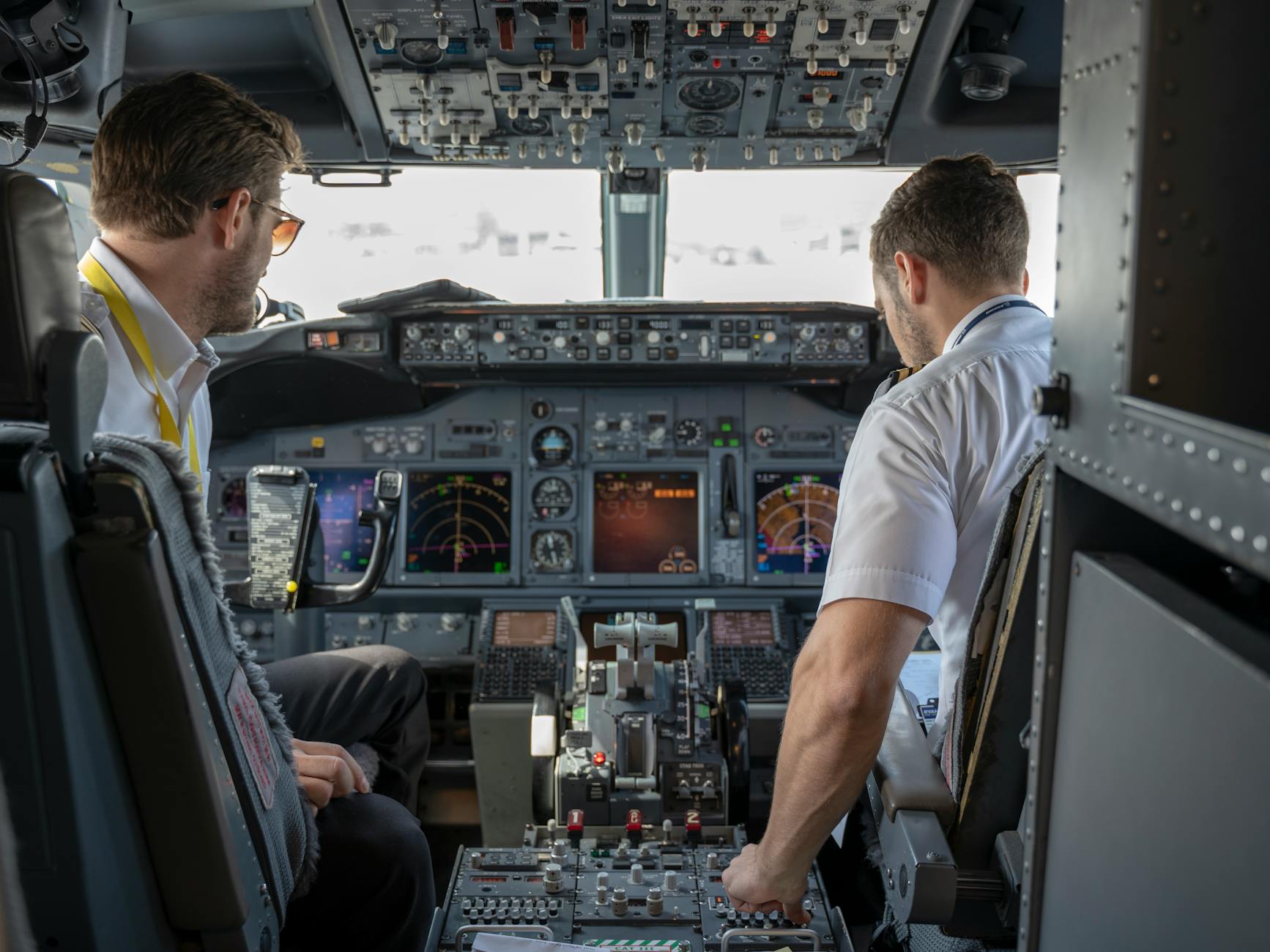
- Captain Smit Machchhar landed a Boeing 737 MAX 8 safely with 174 passengers.
- The emergency landing occurred in Saudi Arabia on Wednesday, 30 September 2026.
- Prime Minister Narendra Modi and Israeli PM Benjamin Netanyahu praised Machchhar.
- Machchhar sustained serious injuries during a violent cockpit confrontation.
- The pilot is a former employee of the Indian carrier SpiceJet.
A routine flight turned into a desperate struggle for survival on Wednesday, 30 September 2026, when Captain Smit Machchhar successfully landed a Flydubai Boeing 737 MAX 8 in Saudi Arabia. According to official data, the aircraft was carrying 174 passengers and crew when it was diverted following a violent confrontation within the cockpit that left the pilot seriously injured. Despite his physical trauma, Machchhar maintained control of the vessel, ensuring the safety of everyone on board. The incident, which occurred at approximately 05:00 GMT, has sent shockwaves through the aviation industry. Sources confirmed that the pilot's quick thinking during the crisis prevented what could have been a catastrophic event. • 174 passengers were on board the flight. • The emergency landing took place in Saudi Arabia. • Captain Machchhar sustained serious injuries during the mid-air struggle. • The aircraft involved was a Boeing 737 MAX 8. The precise nature of the cockpit confrontation remains under investigation by regional authorities. However, the outcome has been universally described as a testament to the pilot's professional training and composure under extreme duress. Aviation safety experts noted that landing a commercial jet while incapacitated by injury requires immense physical and mental fortitude. The prompt diversion to a Saudi Arabian airfield allowed for immediate medical intervention for the pilot and ensured the passengers were removed from the immediate vicinity of the incident.
From Textile Engineering to Cockpit Heroics
Before his tenure at Flydubai, Captain Smit Machchhar served as a pilot for the Indian airline SpiceJet. His transition from a background in textile engineering to the flight deck of a major international carrier is a journey marked by rigorous training and a commitment to safety. Colleagues at his former employer have expressed immense pride in his actions, noting that his performance on Wednesday was consistent with the high standards he maintained during his years in India. Industry reports indicate that a growing number of Indian-trained pilots are serving in major international carriers across the Middle East, contributing significantly to global aviation operations. Many pilots trained in India are now operating for major carriers across the Middle East and Europe, bringing a high level of technical proficiency to the international stage. Industry observers noted that the training protocols in Indian flight schools often prepare pilots for complex, high-pressure scenarios that go beyond standard flight operations. The fact that Machchhar was able to navigate the Boeing 737 MAX 8—a sophisticated piece of machinery—while suffering from serious injuries speaks to the muscle memory and procedural discipline instilled in him throughout his career. SpiceJet officials confirmed that he was a valued member of their flight crew before moving to the UAE-based carrier. His actions have sparked a wider conversation about the necessity of advanced crew resource management and the physical resilience required of modern commercial pilots. The aviation community is now looking at how such incidents can be mitigated through improved cockpit security and real-time monitoring systems.
Global Leaders Commend Machchhar's Valour
The reaction from the international political community has been swift and unified. Prime Minister Narendra Modi led the tributes, calling the pilot a hero who displayed immense courage in the face of grave danger. In a statement released on Thursday, 1 October 2026, Modi emphasised that the entire nation of India stands with the pilot and his family. The Prime Minister personally spoke to the Machchhar family to convey his support and admiration for the pilot's resolve. Israeli Prime Minister Benjamin Netanyahu also issued a rare commendation for a commercial pilot, stating, 'My salute to the Indian pilot Captain Smit Machchhar.' This cross-border recognition underscores the global significance of the pilot's actions. Defence Minister Rajnath Singh and Lok Sabha Speaker Om Birla joined the chorus of praise, highlighting the valour shown by the pilot in protecting 174 lives. • Prime Minister Narendra Modi praised the pilot for his unwavering resolve. • Israeli Prime Minister Benjamin Netanyahu officially saluted Machchhar. • Defence Minister Rajnath Singh commended the pilot's quick thinking. • Indian President Droupadi Murmu noted that the nation is proud of his incredible presence of mind. The outpouring of support from such high-level officials is unusual for a commercial aviation incident, reflecting the severity of the crisis and the successful outcome. It serves as a reminder of the high stakes involved in international air travel and the reliance on individual human action when automated systems or standard protocols are challenged by unexpected human intervention.
Aviation Security and the Cockpit Door Dilemma
The incident in Saudi Arabia reignites a long-standing debate regarding cockpit security and the balance between accessibility and protection. Since the security overhauls of the early 2000s, cockpit doors have been hardened to prevent unauthorised entry. However, these measures also create a confined environment where a confrontation between crew members or an intruder can escalate rapidly without external intervention. Experts pointed out that the current design of commercial cockpits is built to keep people out, but it offers limited solutions when a threat emerges from within. The aviation industry has been moving toward more integrated monitoring systems, including internal cockpit cameras and enhanced biometric security, but these technologies are not yet universal. The Flydubai incident will likely accelerate discussions at the International Civil Aviation Organization (ICAO) regarding the standardisation of internal cockpit security. Analysts noted that while the pilot was able to land the plane, the physical struggle in the cockpit could have easily resulted in a loss of control if the pilot had been rendered unconscious. The safety of 174 passengers was ultimately secured by the pilot's decision to prioritise the landing over his own medical needs. This decision-making process is a core component of pilot training, yet it remains one of the most difficult aspects of the job to simulate. As airlines look to the future, the focus is shifting toward how to provide pilots with the tools to manage such crises without compromising the integrity of the flight path. The incident serves as a stark reminder that despite the automation of modern flight, the human element remains the final and most critical line of defence.
Technical Resilience of the Boeing 737 MAX 8
The Boeing 737 MAX 8 is one of the most widely used aircraft in the world, known for its efficiency and advanced flight control systems. In this specific emergency, the aircraft's ability to maintain a stable flight path even with minimal pilot input proved essential. The fly-by-wire systems and automated flight management computers allowed the vessel to remain in a controlled descent while the pilot dealt with the cockpit confrontation. Aviation engineers explained that the 737 MAX 8 is designed to handle significant deviations in flight parameters, which provides a safety buffer during emergency landings. However, the success of the landing in Saudi Arabia was not merely a result of the aircraft's technology; it was the result of a pilot who understood how to leverage those systems while physically compromised. The integration of the autopilot and the manual override capabilities was tested to its limit during the final approach. • The Boeing 737 MAX 8 features advanced flight control systems. • Automated flight management computers assisted in the landing. • The pilot's understanding of manual override was critical. • The aircraft remained stable despite the cockpit disturbance. The investigation into the incident will likely include a review of the flight data recorder (FDR) and the cockpit voice recorder (CVR) to determine exactly how the controls were manipulated during the struggle. This data will be invaluable for future training programmes, as it provides a real-world example of how a pilot can manage a complex aircraft under extreme physical and psychological pressure. The industry will be watching the findings closely to see if any specific design changes are recommended for the cockpit layout.
The Future of Flight Safety and Crew Training
As the aviation industry reflects on the events of 30 September 2026, the focus is shifting toward the long-term implications for pilot training and the psychological support provided to flight crews. The heroism of Captain Smit Machchhar has provided a clear example of the type of resilience required in the modern era of travel. However, relying on individual heroism is not a sustainable safety strategy. Airlines are now expected to review their internal security protocols to ensure that pilots are better protected from internal and external threats. The incident also highlights the importance of the global aviation network, where an Indian pilot flying for a UAE airline can be praised by Israeli and Indian leaders alike. This interconnectedness is a hallmark of the modern aviation sector, and it necessitates a unified approach to security and training. As the industry moves forward, the focus will likely remain on the human-machine interface and the need for systems that can detect and react to cockpit disturbances before they escalate. For the passengers who were on board the flight, the day will be remembered as one of survival against the odds. For the aviation community, it is a case study in the necessity of maintaining high standards of training and the enduring value of human judgement. The recovery of Captain Machchhar will be monitored closely, and his actions will undoubtedly be discussed in flight schools and safety seminars for years to come. The incident serves as a powerful reminder that while technology has changed the way we fly, the safety of the skies still rests in the hands of the men and women in the cockpit.