Abnormal Studios Unveils Cambodian 'Wedding Dress' Remake at Busan
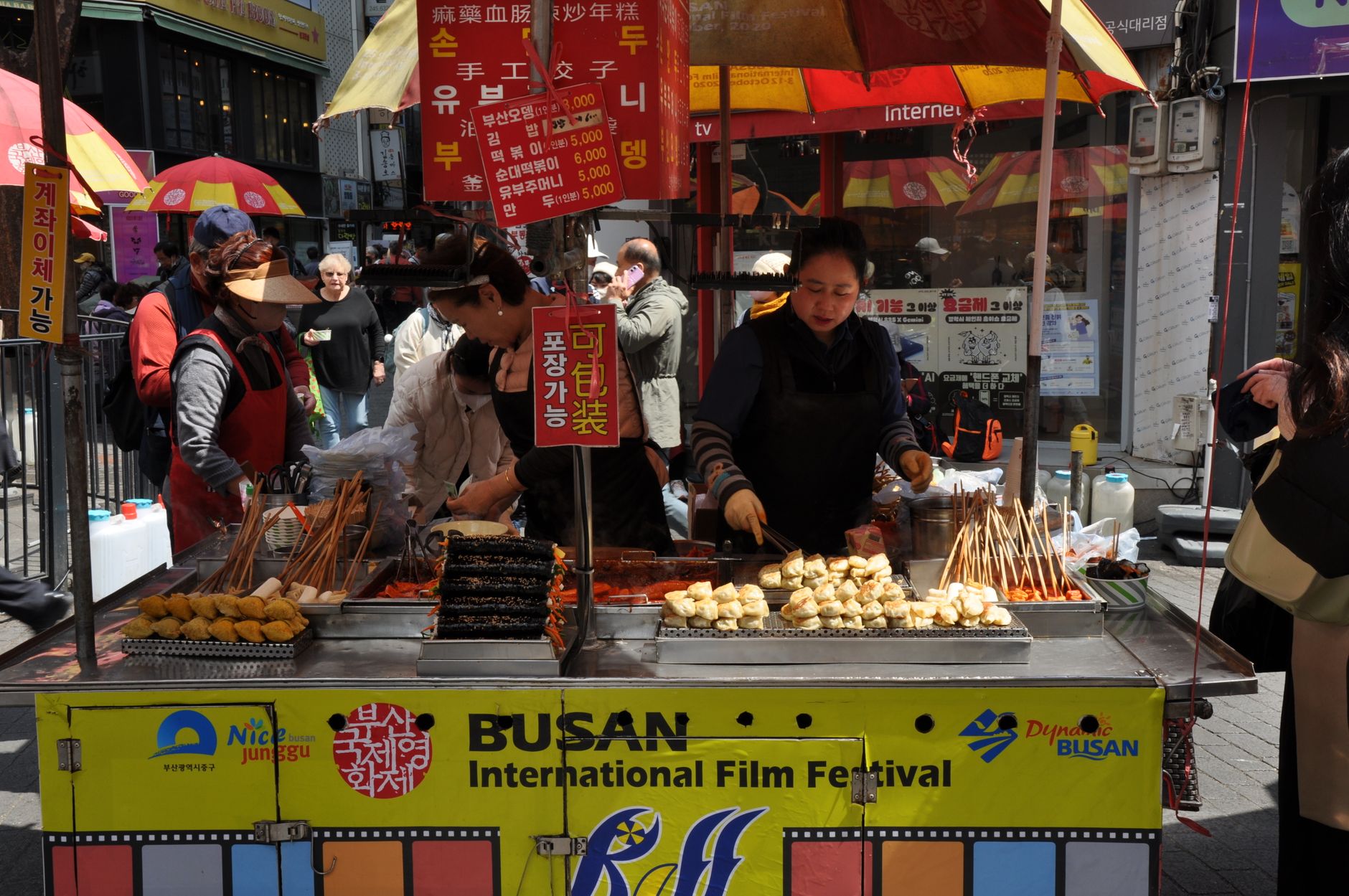
- Abnormal Studios spearheads a Cambodian adaptation of the Korean drama 'Wedding Dress'
- The project serves as the centerpiece for the studio's Busan International Film Festival slate
- Korean intellectual property remains a high-value asset for Southeast Asian markets
- The remake aims to capture the emotional resonance of the original mother-daughter narrative
- Industry analysts view this deal as part of a broader shift toward regional cross-market content production
Abnormal Studios officially signaled its intent to dominate the regional market at the Busan International Film Festival this week. According to reports from Variety and IMDb, the studio is leading its Busan market slate with a high-profile Cambodian remake of the iconic 2010 Korean mother-daughter drama, Wedding Dress. By 2026, the original film will have maintained its status as a regional benchmark for 16 years. This strategic move aims to leverage the proven emotional weight of the original for a Cambodian audience. The project stands as the crown jewel of the studio's offerings at the festival, which remains one of the most critical networking hubs for Asian film production. By selecting a title with established international recognition, Abnormal Studios is attempting to bridge the gap between Korean intellectual property and the growing demand for localized content in Southeast Asia. The studio's presence at the festival serves as a litmus test for how successfully Korean narrative structures can be transplanted into the Cambodian cultural landscape. • The original Korean film Wedding Dress remains a benchmark for emotional storytelling in the region. • Abnormal Studios features this project as the primary highlight of its 2026 Busan market slate. • The adaptation process focuses on maintaining the core mother-daughter dynamic while localizing the setting and character motivations. The decision to prioritize this specific drama reflects a broader trend in the industry where studios hunt for proven stories that can be adapted at a lower risk than original scripts. For a studio operating in the competitive Southeast Asian market, securing the rights to a high-profile Korean title represents a calculated investment in audience familiarity. This announcement comes as the Busan market continues to attract regional players looking to secure international distribution deals and co-production partners for the coming year.
Tracing the Cultural Evolution of the Korean Tear-Jerker
The original Wedding Dress, a 109-minute staple of Korean cinema, tells the poignant story of a terminally ill designer who wants to create a wedding dress for her young daughter before she dies. Its success in Korea was predicated on its ability to evoke profound empathy, a quality Abnormal Studios clearly intends to replicate in its Cambodian version. Moving a narrative of this nature across borders requires more than simple translation; it demands a deep understanding of local familial structures and social expectations regarding grief and parenting. Industry observers often note that the success of such remakes hinges on the casting of the 2 lead characters. Without the correct chemistry, the film risks losing the very audience that made the original a regional phenomenon. Abnormal Studios is currently navigating the delicate task of balancing the original's tone with the specific cultural markers that define the Cambodian experience. • The original film emphasizes the universal struggle of parental loss. • Adapting the script involves significant work in dialogue and environmental cues to ensure local relevance. • Industry experts suggest that the emotional core of the drama is what drives its appeal across different Asian territories. The challenge for the production team lies in ensuring the story feels authentic to local viewers rather than a hollow imitation of a foreign production. By focusing on the universality of the mother-daughter bond, the studio is betting that the narrative will resonate as strongly in Phnom Penh as it did in Seoul. This approach is not merely about importing a successful brand but about refining the story to fit the emotional register of a new geography.
Busan International Film Festival as a Global Content Engine
Since its founding in 1996, the Busan International Film Festival has evolved into more than just a screening venue; it has become the definitive marketplace for Asian content, now hosting over 200 films annually. With Abnormal Studios choosing this platform to announce its Cambodian remake, the studio is placing itself at the center of a complex network of producers, distributors, and talent agencies. The festival provides the necessary visibility for a project that aims to cross borders, allowing the studio to negotiate distribution rights with partners from across the globe. The market floor in Busan is where the business of cinema actually happens. Here, independent studios like Abnormal can meet with streaming platforms and theatrical distributors who are hungry for content that has already proven its mettle in another market. By presenting a remake of a known hit, the studio immediately lowers the barrier to entry for potential buyers who might otherwise be wary of a new, unproven story. • The Busan market facilitates thousands of meetings between content creators and distributors annually. • Studios often use the festival as a launchpad for their most significant upcoming projects. • The concentration of regional industry players makes Busan the ideal environment for high-stakes deal-making. For Abnormal Studios, the decision to unveil this slate in Busan is a tactical play to secure financial and distribution backing early in the production cycle. The presence of the project at such a prestigious festival lends it an air of legitimacy that can be difficult to achieve in the fragmented Southeast Asian market. As competition for screen time on global streaming platforms intensifies, the ability to bring a pre-vetted, high-quality story to the table becomes a significant competitive advantage.
The Economic Shift Toward Localized IP Adaptations
The rise of high-budget remakes in Southeast Asia represents a significant shift in the regional film economy across at least 5 key territories. Instead of pouring resources into developing original concepts that may struggle to find an audience, many production houses are choosing to license existing IP. According to industry data, this model significantly reduces the marketing burden, as the story already possesses a built-in audience profile in many parts of the region. Abnormal Studios is leaning into this strategy to maximize its return on investment. By taking a proven Korean drama and localizing it, the studio minimizes the risk associated with narrative development. This is a common strategy in mature film markets, but it is only now reaching full maturity in Cambodia. The economic impact is twofold: it provides steady work for local crews and actors while offering a safer bet for investors who are increasingly cautious about market volatility. • Licensing fees for established Korean IP are rising as regional demand grows. • Successful remakes can trigger follow-up projects, creating a pipeline for future revenue. • The production value expected for such remakes is significantly higher than for smaller, original independent films. Investors are watching the performance of these remakes closely. Should the Cambodian version of Wedding Dress find success at the box office or on streaming services, it will likely pave the way for a wave of similar adaptations. The studio's ability to execute this project to a high standard will be a defining factor in its long-term viability in the regional market. This is not just a creative endeavor; it is a sophisticated financial move designed to capitalize on the existing equity of Korean entertainment brands.
Navigating the Future of Regional Storytelling
As the industry looks toward the next quarter, the focus for Abnormal Studios remains on the execution of its slate, which currently includes 3 primary projects. The remake of Wedding Dress is not just a standalone film; it is a flagship for the studio's broader strategy. The success of this project will likely determine whether the studio continues to lean heavily into international remakes or shifts its focus back toward original content creation. The intersection of local culture and global narrative tropes is where the most interesting developments in Asian cinema are currently happening. By successfully bridging these two worlds, Abnormal Studios is positioning itself as a leader in the next phase of regional film production. The studio is currently balancing the creative demands of production with the logistical challenges of international distribution, a combination that requires both artistic vision and business acumen. • The studio's upcoming slate will be closely monitored by competitors and investors alike. • Future projects may include adaptations from other Asian territories beyond South Korea. • The focus on high-quality emotional dramas suggests a long-term goal of building a library of prestige content. As the production of the film nears its later stages, the industry will be watching to see how the final product aligns with the high expectations set at the Busan market. If the studio manages to capture the nuance of the original while adding a distinct Cambodian flavor, it will have successfully validated the remake-as-business-model strategy. Ultimately, the future of the studio rests on its ability to tell stories that feel both familiar and fresh, a balancing act that is at the heart of all successful film production. The journey from the Busan market to the final screen is long, but for Abnormal Studios, the first steps have been taken with a clear sense of purpose.
Add NewsPulse Time as a preferred source on Google